
Coffee lovers know the feeling: you go to the trouble of making yourself an iced coffee, only to end up with something watery, dull, or way too bitter. Making great iced coffee at home is trickier than it looks, but there’s a simple way to enjoy something fresh, vibrant, and full of sweet, lively flavors. No need to mess with cold brew or put up with disappointment from regular iced coffee. learning how to make Iced pour over coffee (some call it Japanese iced coffee or flash brew coffee) isn’t complicated but it stands out because it puts all the best parts of specialty coffee front and center, even over ice.
What Is Iced Pour Over Coffee?
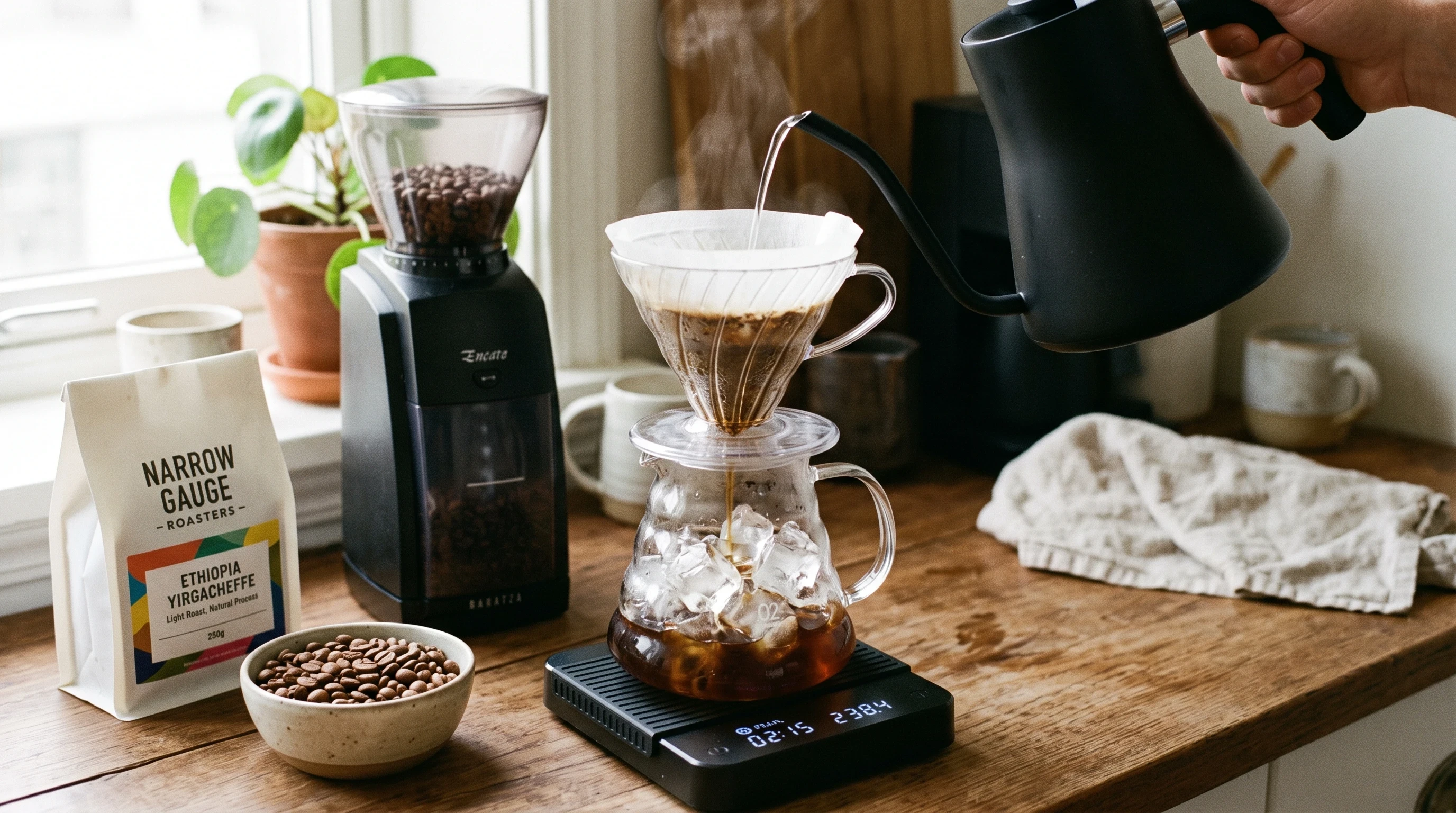
Iced pour over coffee is basically regular pour over brewed straight onto a big pile of ice. Instead of letting your hot coffee cool down on its own or pouring it over ice after brewing, you drip the coffee right on top of the ice. This instantly chills the coffee and keeps all the amazing aromas and tangy, lively flavors you normally get from fresh hot coffee. Some people call it Japanese iced coffee or flash brew coffee, and it’s gained fans among those who want a crisp, refreshing drink that really lets their coffee’s personality stand out.
Quick Answer: Iced pour over coffee is brewed hot over a measured amount of ice, instantly cooling the coffee and locking in its aroma, clarity, and bright, sweet flavors.
Why Brew Pour Over Coffee Over Ice?

Better Flavor Than Traditional Iced Coffee
Brewing hot coffee directly onto ice rapidly chills it. This way, you hang onto all the fruity aromas and sweet notes you’d lose if it cooled slowly. This method doesn’t just cool your drink; it helps keep the pop and complexity you get with really good beans. Pour over coffee over ice is a total game changer compared to the flat taste you sometimes get from refrigerating hot coffee or pouring regular coffee over a glass of ice.
Brighter Acidity
If you love light, tangy, or fruit-forward coffees, this method is worth checking out. Flash brew or Japanese iced coffee really makes bright, zesty notes pop. Some of my favorites for this are Ethiopian, Kenyan, and washed Central American coffees. These coffees often taste lively and almost sparkly when served this way.
Ready in Minutes
One of the best things about making iced pour over? It’s fast. While cold brew takes anywhere from 12 to 24 hours, you can enjoy this iced specialty coffee in just 5 minutes, with no advance prep. That’s pretty handy when the craving hits.
More Complex Than Cold Brew
While cold brew can be rich and mellow, brewing pour over coffee over ice gives you more acidity, a cleaner finish, and lots more aroma. This makes it a top pick for lighter roasts and coffees with complex flavor profiles.
Equipment You’ll Need
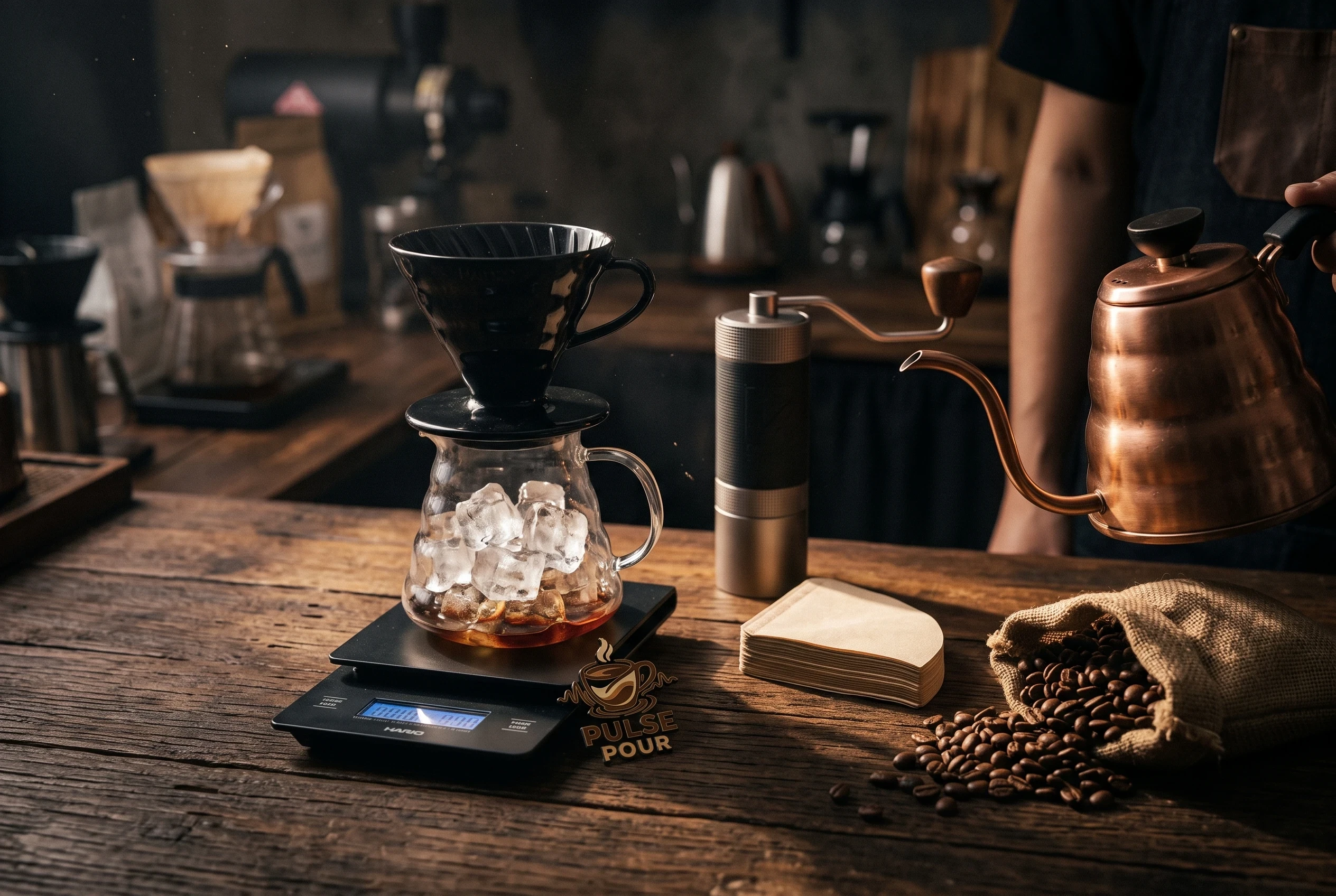
Making the best iced pour over coffee is easier if you have a few key tools. Here’s what I reach for each time:
Pour Over Brewer
Iced pour over works with all the classics: V60, Kalita Wave, Chemex, Origami, or your favorite dripper. Just grab whichever you already use for hot coffee at home.
Paper Filter
Use the correct filter for your brewer, and give it a solid rinse with hot water first. Rinsing removes papery flavors and lets water flow more evenly through the coffee bed.
Fresh Coffee Beans
Freshness is huge. Light or medium roast specialty beans usually taste best, since they keep those floral and fruity notes that make iced pour over so tempting.Here’s how you go about choosing the best beans for iced pour over.
Burr Grinder
Grinding coffee right before brewing and using a burr grinder gives you a consistent grind. This helps your coffee extract evenly and taste cleaner. That’s super important for this method—uneven grounds make for a wonkier cup. Check out my picks for the top 5 manual burr grinders for pour over coffee
Gooseneck Kettle
A gooseneck kettle gives you extra control over pouring speed and direction. It lets you get nice, even extraction and helps keep the process clean instead of messy.
Coffee Scale
Brewing by weight, not scoop, makes it simple to repeat your favorite recipes and avoid watery or overly strong coffee. A digital scale is super useful if you’re after repeatable results.
Ice
Use clean, clear ice cubes. Filtered water tastes best. Any weird flavors in your ice will show up in your final drink.
The Ideal Coffee-to-Ice Ratio
The key idea with iced V60 or any iced pour over is that you split your brewing water between hot water and ice. The ice melts and becomes part of your drink, so your final cup won’t be too strong or too weak. Also, you ‘ll want purified water and ice to get the best taste you can get. More on the best water for pour over coffee here.
Here’s a great starter iced pour over coffee recipe:
- Coffee: 25 g
- Hot Water: 200 g
- Ice: 100 g
- Final Beverage: ~300 g (about 10 oz)
This formula guarantees your drink is strong, balanced, and chilled right away, without ending up watered down.
Step-by-Step: How To Make Iced Pour Over | A Recipe
Here’s how I brew iced specialty coffee that comes out crisp, aromatic, and never watered down:
Step 1: Grind the Coffee
Use a burr grinder and aim for a medium grind—something close to sea salt or regular pour over grind. If your coffee tastes bitter, your grind might be too fine; if it’s thin, it may be too coarse.
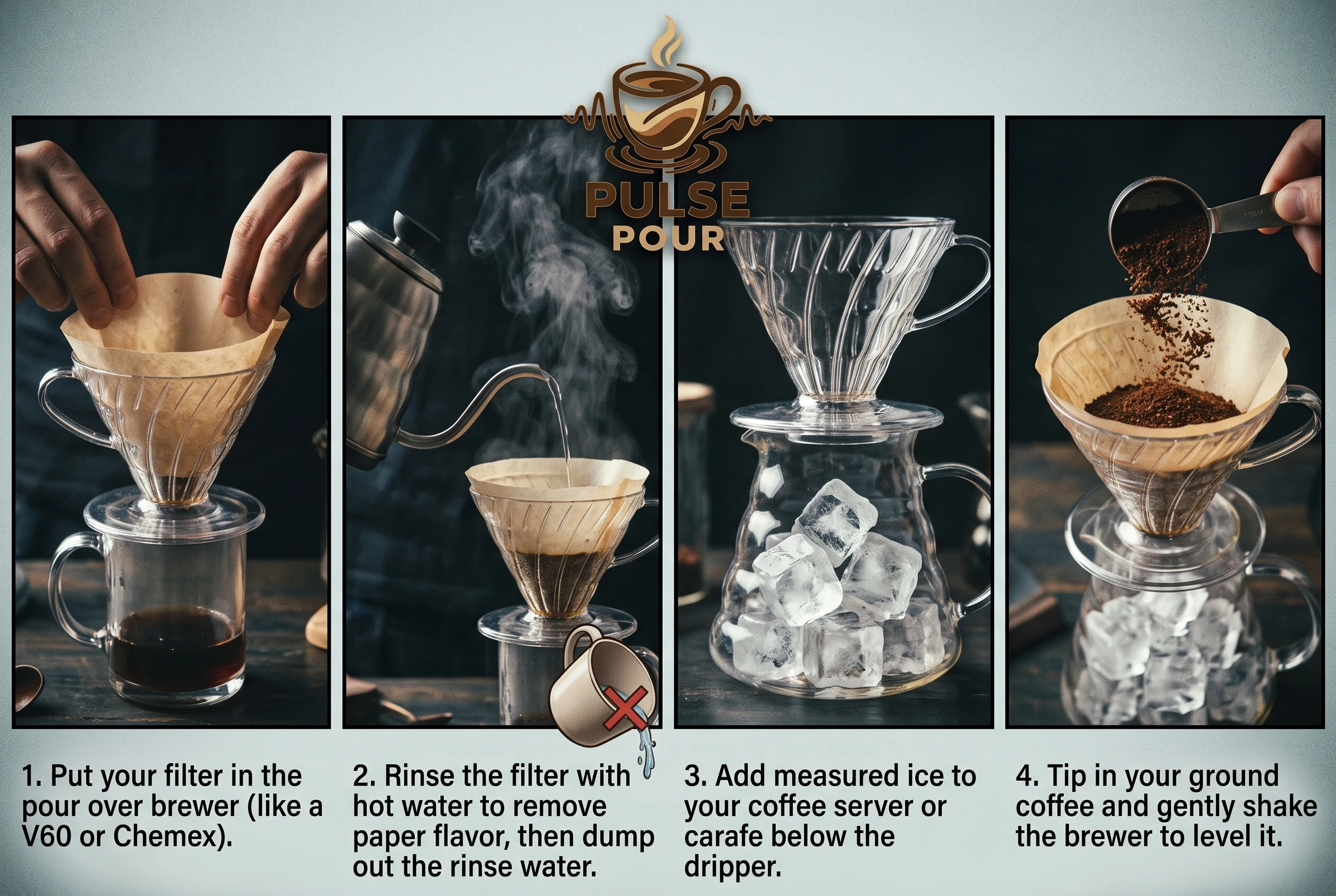
Step 2: Prepare the Brewer
Step 3: Bloom
Begin by pouring around 50 g of hot water, just enough to soak all the grounds. Let the coffee bloom for 30–45 seconds. This releases carbon dioxide and preps the grounds for better brewing. Don’t skip this step. It makes a noticeable difference.
Step 4: Continue Pouring
Pour the rest of the hot water slowly, in circles, over the next 2 to 3 minutes. Try to keep your pours smooth so each part of the coffee grounds brews evenly. Don’t pour along the sides.
Step 5: Swirl and Serve
As the hot coffee drips onto the ice, it chills instantly. When brewing is done, swirl or gently stir the coffee to blend it with the melted ice for an even, smooth cup. Pour over a fresh glass of ice if you want it extra cold, then sit back and enjoy.
Best Brew Recipe for Beginners
Here’s a cheat sheet for common batch sizes. You can tweak these based on your carafe and taste preferences. These work great for V60 or similar drippers.
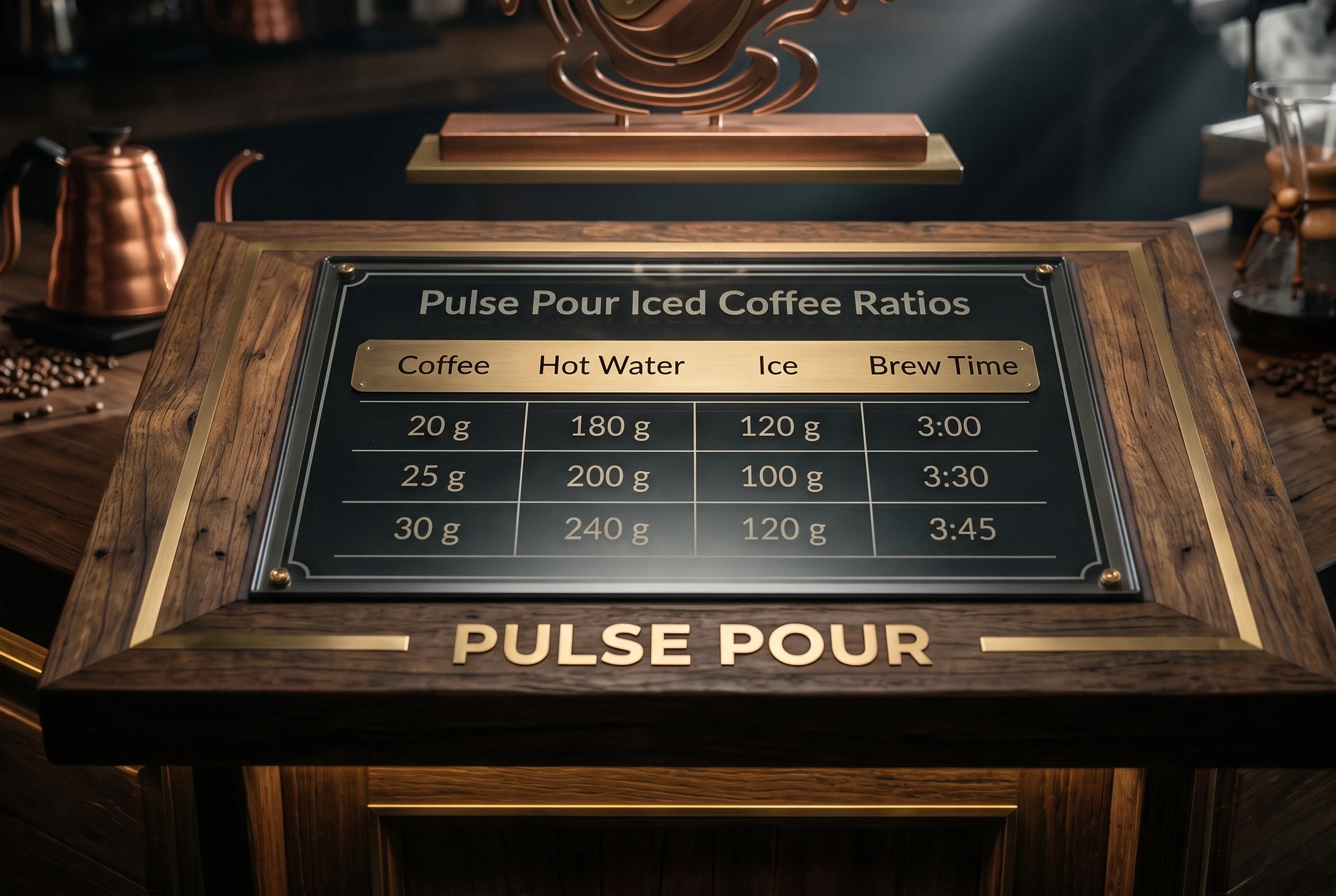
Feel free to adjust these based on how strong or light you want your iced pour over. Changing the amount of ice or water can really mix things up in terms of final taste.
Choosing the Best Coffee Beans for Iced Pour Over

Light Roasts
Light roasts keep a coffee’s sweet, tangy, and floral notes. They’re awesome here—for instance, think citrus, berries, or even jasmine. I’ve had some Ethiopian and Kenyan coffees that taste like lemonade or strawberry when I flash brew them.
Medium Roasts
Medium roasts work well too, especially coffees with caramel, chocolate, or stone fruit flavors. Central and South American beans do great in this style, bringing smooth, mellow, or even peachy notes.
Coffees That Shine Over Ice
For iced pour over, I usually reach for single origin coffees from:
- Ethiopia
- Kenya
- Colombia
- Costa Rica
- Panama
Coffees high in acidity tend to taste much sweeter and more approachable when brewed as Japanese iced coffee. That’s why some beans taste better over ice than hot!
How Grind Size Changes Flavor
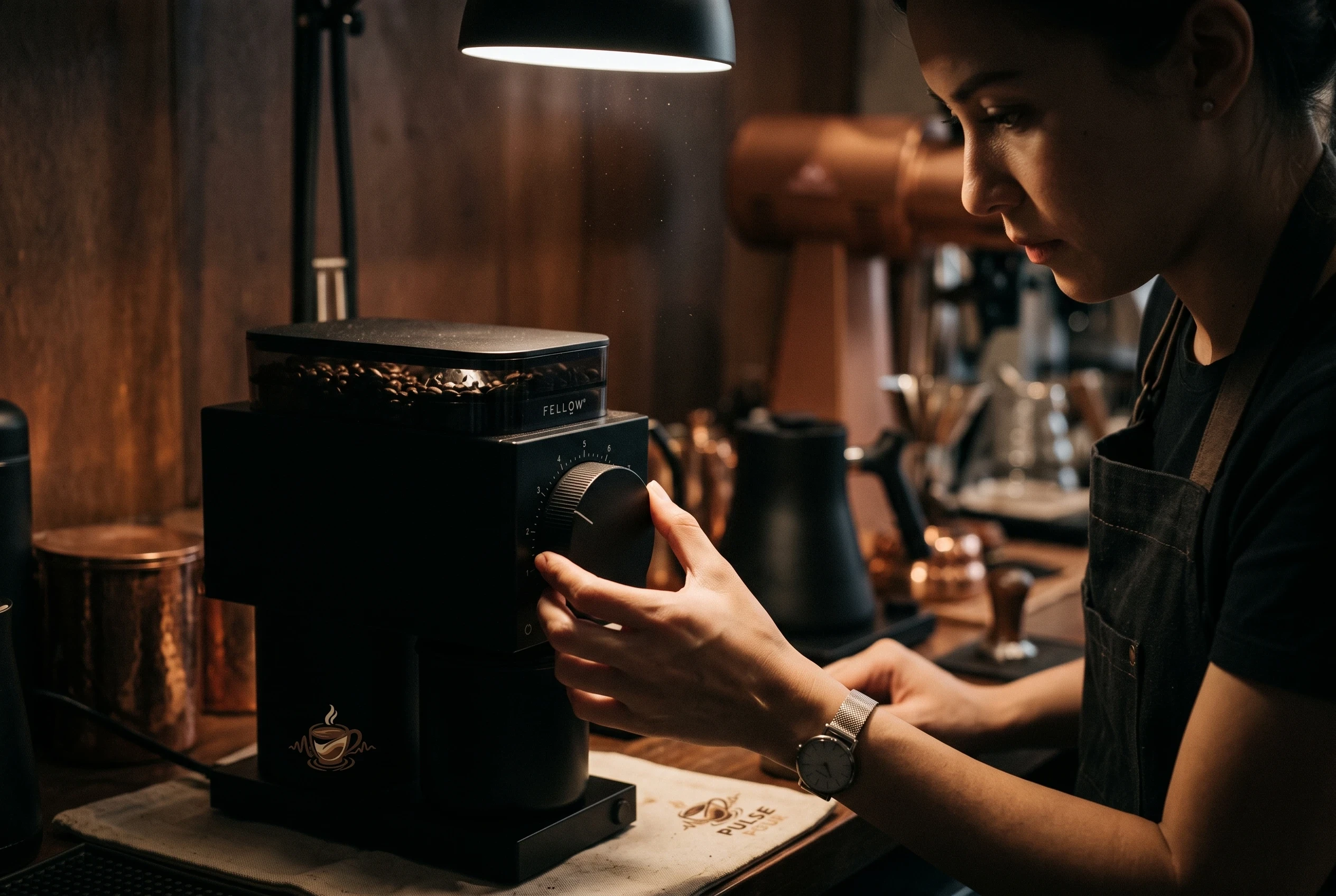
Too Fine
If your grind is too fine, coffee will drain slowly, giving you bitter, muddy, or over-extracted flavors. This is a common way to end up disappointed.
Too Coarse
Too coarse of a grind lets water flow through too quickly. You get a sour, thin, or weak flavor profile that misses the mark on what makes your beans special.
Finding the Sweet Spot
Try changing just one thing at a time—usually grind size—when you’re working on your recipe. Tweaking it the right way gives a big payoff, so write down what you try and what you like best.
You can make some hot pour over first to see what grind turns out best. Then you already have it adjusted for when you make Japanese Iced coffee.
Common Mistakes That Ruin Iced Pour Over Coffee
- Using Too Much Ice: Adding extra ice waters down your coffee fast and makes it bland. Stick to the recipe amount and only toss in a bit more when serving, if you want.
- Brewing With the Same Water Amount as Hot Coffee: Don’t use your regular pour over recipe and just dump it over ice; adjust for dilution as explained above.
- Grinding Too Fine: This really slows things down and can lead to bitter flavors. Medium grind always helps here.
- Pouring Too Quickly: Rushing those pour overs skips full extraction and makes for a sharper or thinner cup.
- Using Stale Coffee: Old beans taste flat and lifeless, and it really shows when you flash brew them.
- Forgetting to Bloom: Skipping the bloom step leaves coffee uneven, missing out on clarity and flavor.
How to Customize Your Iced Pour Over
Iced pour over isn’t a one-size-fits-all recipe, so go ahead and try these tweaks:
Stronger Flavor
Add a bit more coffee, reduce ice a touch, or switch to a finer grind (but don’t go overboard) for a more intense drink.
Sweeter Cup
Let the bloom run a little longer and pour a bit more slowly. Sweeter beans, like Colombian or Costa Rican, are also a good way to give your cup a nice pop of sweetness.
More Fruity Notes
Go with light roasts from Ethiopia or Kenya and aim for a brewing temp around 195–200°F to highlight those juicy flavors.
Less Acidity
Switch to medium roasts, dial up the ice, or use a somewhat coarser grind to ease those bright notes down a little.
Milk Friendly Recipe
Use a higher coffee-to-water ratio (making a stronger concentrate) if you want to add milk or milk alternative. Coffees with chocolate or nutty flavors work especially well here.
Iced Pour Over vs Cold Brew: Which Should You Choose?

If you want a complex, refreshing, and quick iced coffee that spotlights fruity or floral flavors, pour over coffee over ice is the way to go. For those who are looking for a rich, chocolatey, and low acidic cups, cold brew (or Dutch Iced) coffee is a relaxing, slow process that’s hard to beat on a hot day.
Frequently Asked Questions
Can I use pre-ground coffee?
You can. But it’ll never taste as fresh or as good as coffee ground just before you brew it. If you have to use pre-ground coffee, try to pick a specialty brand and store it sealed up and out of the air.
Why is my iced pour over watery?
This happens if you add too much ice, use too coarse a grind, or pour too quickly. Stick to the suggested recipe, double-check your grind, and take things slow as you brew for the best results.
Can I make iced pour over with decaf?
Absolutely. Just use your favorite decaf beans and follow the same iced pour over coffee recipe steps; decaf works just as well in this style.
Is pour over coffee over ice safe for glass carafes?
Most pour over servers designed for coffee are safe for hot-over-ice brewing. Avoid sudden temperature shocks with delicate glass. If you’re concerned, put a metal spoon in the carafe to soak up some of the heat, or use a durable, heat-resistant server built to handle temperature swings.
What’s the best iced pour over coffee for beginners?
Begin with a reliable light or medium roast, grab a V60 or Kalita Wave, and follow the recipe above. Once you get comfortable, don’t hesitate to tweak grind, ice, and brew time to suit your tastes and find your perfect cup.
As a mom-preneur trying to survive afternoon client calls in the summer heat, iced pour-over is my absolute holy grail. I used to just pour hot coffee over ice and wonder why it tasted like sad, watery disappointment, so calculating the ice-to-water ratio was a total game-changer. Saving this method so I can keep my sanity and caffeine levels high all season.
“Sad, watery disappointment” is honestly the perfect description!
I’ve definitely been there. Once you start paying attention to the ice-to-water ratio, iced coffee becomes a whole different experience. Glad you found the method helpful—
and here’s to keeping both the coffee and the sanity strong all season!
HI!
I had no idea there was this much science involved in making a really good glass of iced coffee! I always thought of iced coffee as basically brewing coffee and then finding some way to get it cold. I didn’t realize that brewing it directly over a measured amount of ice could actually preserve more of the flavor and aroma.
Your explanation of the coffee-to-water-to-ice ratio was especially interesting. It makes sense that simply making regular coffee and pouring it over a bunch of ice could leave you with something watered down. I also hadn’t considered how much the grind size, type of roast, and even the speed of the pour can change the final result.
I like that this method only takes a few minutes compared with waiting 12–24 hours for cold brew. That alone makes it sound worth experimenting with.
For someone trying iced pour over for the first time, which would you say makes the biggest difference in getting a good result—the beans, getting the grind right, or getting that coffee-to-ice ratio right?
– Scott
Thanks, Scott! That’s a great question. If I had to pick just one, I’d say getting the coffee-to-ice ratio right makes the biggest difference when you’re starting out.
It’s really easy to end up with iced coffee that tastes either too weak or too concentrated if the ice and water aren’t balanced. Once you have that ratio dialed in, I’d focus on grind size, because that can make a huge difference in how evenly the coffee extracts.
And of course, good beans help, but you don’t necessarily need expensive coffee to make a great iced pour over. I’d recommend experimenting with the ratio first, then adjusting your grind and beans from there. That way you can actually taste what each change is doing.
That’s honestly one of my favorite things about pour over—you can tweak one little variable and suddenly the whole cup changes.
-Happy brewing!