
Muddy or flat pour over coffee isn’t something anybody wants to wake up to. I’ve been there, sipping a cup that tastes dull or murky and wondering how such a simple process could go wrong. If you’re getting frustrated that your pour over coffee tastes muddy or flat, you’re definitely not alone. The good news is, dialing in a cleaner, more vibrant cup doesn’t have to be complicated once you know what to watch for.
Why Does Pour Over Coffee Taste Muddy Or Flat?
Muddy or flat pour over coffee isn’t just a stroke of bad luck. Usually, it boils down to a handful of common causes. Understanding what you’re tasting helps you figure out what to tweak for better brews the next time around.
What muddy coffee tastes like
Muddy coffee is more than just visually cloudy; it tastes heavy and dull and lacks that crisp, sparkly quality that pour over should highlight. I notice flavors blending together, a bit of dryness on my tongue, and sometimes a lingering chalky or dusty sensation. The whole cup feels thick and murky instead of light and clear.
What flat coffee tastes like
Flat coffee is a totally different beast. It tastes lifeless and bland; sometimes it reminds me of cardboard or unseasoned food. There’s no zing, fruitiness, or acidity—none of the bright notes that make pour over special. Even with top-tier beans, the distinctive brightness can go missing when something is off.
Why pour over coffee can lose clarity and brightness
Pour over coffee gets famous for its clarity and layered flavors. When the brew tastes muddy or flat, something is blocking those lively notes from shining. Most often, it’s related to grind consistency, filter quality, pouring style, coffee freshness, or getting the water-to-coffee ratio right. These elements control how much you draw out from the grounds and how many unwanted particles or flavors sneak in.
The Most Common Reasons Your Pour Over Coffee Tastes Muddy Or Flat
After testing dozens of brews through the years, a few key issues appear repeatedly. Fixing these can switch your pour over coffee from forgettable to fantastic.
Your grind is producing too many fines
If your grinder leaves behind lots of powdery dust (fines), those particles make it into the cup and cause muddiness. Fines over-extract easily, sending bitter and dense flavors into your mug. Cheap blade grinders or burr grinders that are out of alignment commonly cause this mishap.
Your filter isn’t doing its job for a clean cup
Pour over filters are meant to trap grounds and soak up unwanted oils, but not all filters work equally well. Thin, loose, or poorly sized filters can let fines through, leaving you with a cloudy, grit-filled cup. Even the fanciest paper or reusable filters need a good rinse before use to do their best work.
Your pouring technique agitates the coffee bed too much
Pouring too forcefully or stirring a lot as you brew stirs up all the fines, floating them around and making the drink cloudy. Over-agitation not only leads to muddiness but can also cause overextraction, muting the good flavors.
Your coffee-to-water ratio is throwing off the flavor
Overdoing the coffee can taste thick and muddy, while too little coffee makes the cup flat and weak. Finding the right ratio is necessary for bringing out all the flavor notes—getting this wrong can ruin clarity or brightness in a snap.
Your beans might be stale or lacking vibrancy
Sometimes flat coffee flavor is the beans’ fault, especially if they’re old, carelessly stored, or roasted without much complexity. Stale beans lose aroma, acidity, and those eye-catching tasting notes pour over is known for. Even flawless technique can’t breathe new life into tired beans.
Your brewer or equipment needs a thorough cleaning
Old coffee oils and fine particles can accumulate inside your filters, brewer, kettle, or carafe. These residues create murky flavors in every new brew. Giving your gear a regular, gentle scrub helps prevent those off notes from sneaking in.
Regular cleaning and rinsing will help prevent the oil and mineral build-up in your gear, and making it a regular habit is essential for vibrant cups. You can learn more on how to clean a pour over coffee maker here.
How Clarity And Extraction Affect Pour Over Flavor
Achieving both balanced extraction and clean brewing is what makes pour over coffee stand out. Losing either invites those muddy and flat flavors quickly.
Why clarity matters in pour over coffee
Clarity is more than just a visual thing. It signals a well-extracted cup where flavors shine and remain distinct. In a clean pour over, I can spot the subtle fruit or floral notes that make each bean stand out. A muddy cup hides all those qualities.
How over-extraction can make coffee taste flat
If water sits too long with the grounds, or if you overdo your pour, coffee can taste flat—sometimes baked or even bitter. That’s a sign you’ve gotten too much from the grounds and lost balance. Flat, cardboard-like flavors tend to appear even with good beans under these conditions.
If you’re having trouble with bitter pour over, go to my article on “why your pour over coffee tastes bitter” for ways to fix it
How fines and uneven extraction can cause muddiness
Lots of uneven grind particles mean water extracts everything at different speeds. Fine dust over-extracts and clouds the cup, while bigger chunks might not extract enough. This sneaky imbalance leads to muddiness and a weak cup structure. A consistent grind makes a world of difference for a crisp, enjoyable result.
How To Fix Muddy Or Flat Pour Over Coffee At Home
Pulling a bright, clean cup often means changing just one or two small things. Here are the most effective tweaks to try at home.
Move to a consistent grind
If you’ve been using a blade grinder, try moving to a good burr grinder. That one switch usually gets you more even grounds, fewer fines, and a cleaner cup instantly. Keeping your grinder in good condition—no stale coffee bits—makes a difference too.
Minimize fines from your grinder
A gentle shake of your hand grinder or a quick sifting can remove excess dust. Some people go further and use dedicated sieves. If your grounds feel powdery, a slightly coarser setting helps reduce muddiness.
Rinse your paper filter well
Pre-wet your filter with hot water before adding coffee. This basic step rinses away papery flavors and preps the filter to catch more fines, leading to a clearer, fresher tasting coffee.
Pour gently and evenly
Rather than dumping water all at once or stirring a lot, use a slow, spiral pour to keep the coffee bed calm. A gooseneck kettle really comes in handy here. Being gentle with your pour keeps your cup cleaner and less gritty.
Adjust your brew ratio for better flavor separation
Play with your coffee and water amounts. I like a stronger cup so I start at 1:15 (one gram coffee for every fifteen grams water), then I tweak as needed.
Try it, and If things taste muddy, lower the coffee dose a little; if flat, add a bit more coffee or reduce water. Small changes matter.
Go for fresher beans with strong flavor clarity
Seek out beans roasted within the last couple of weeks when possible. Local roasters can point you to beans naturally bright or floral—these really help your pour over shine. Don’t be shy to ask what’s tasting best on a given week.
If you’re a little lost and you want a simple, beginner friendly approach to perfecting your pour over, try the recipe and simple steps in the “how to perfect your pour over coffee” guide.

What To Change First If Your Pour Over Coffee Tastes Muddy
Making your coffee taste cleaner starts by dialing in the most impactful changes first; there’s no need to revamp your entire setup. Focus on one factor at a time for clear results.
Start with grind quality and consistency
If you want an immediate step up, switch to a burr grinder or tune up your current grinder. Check that burrs are snug, no old coffee is stuck inside, and grind settings aren’t set ultra-fine. Aim for even, medium-fine grounds with minimal dust.
Be mindful of over-agitating the brew
A steady pour, keeping from flooding the grounds or stirring too much, helps reduce muddiness. When the bed looks like a mudslide, slowing down or moving to a gooseneck kettle can help tremendously.
Give your filter and brewer setup a once-over
Paper filters should fit securely and be rinsed well. With mesh or metal filters, make sure they’re not letting unnecessary fines escape. If your usual brewer isn’t giving you a clean result, consider switching styles. Sometimes a Chemex or a V60 can produce noticeably cleaner coffee.
Alter one variable at a time for accurate troubleshooting
If you game plan too many changes at once, it’s hard to tell what made a difference. Adjust your grind, try a new filter, or change up your pour—but test just one factor at a time, using both taste and appearance as your guides.
What To Change First If Your Pour Over Coffee Tastes Flat
Flat coffee often feels more disappointing, since you miss out on both texture and lively flavors. These simple tweaks can bring back brightness quickly.
Check bean freshness above all
No single tip revives a flat cup like fresh beans. As beans age, they lose their pop and aroma, and even the best storage can’t restore it. For persistent flatness, get fresh roasted beans. They are well worth the investment.
Peek at water temperature and extraction
Brewing with water that’s not hot enough means you barely bring out the delicious stuff from your grounds. Target water just off boil—195 to 205°F (90 to 96°C). If your brews are always underwhelming, shortening or stretching your total brew time within the 2.5 to 4-minute range often helps unlock better flavor.
Experiment with your ratio if the coffee tastes lifeless
Adding a touch more coffee or reducing water usually wakes up a flat cup. A stronger brew highlights acidity and bright flavors. Tread carefully—minor tweaks can make a big difference.
Focus on gradual changes, not sweeping fixes
The urge to switch up everything after a dull batch is strong, but slow, deliberate tweaks yield more control. Begin with bean freshness, adjust water, then look at ratio and extraction time. Taking notes after each batch helps spot what really works.

How To Brew A Cleaner And More Vibrant Cup
Pour over coffee stands out for crisp, clear flavors. Adopting these habits helps ensure every cup delivers on that promise:
Pick beans with lively, distinct tasting notes
Favor beans or roasts described as fruity, floral, or citrusy for vivid, cleaner results in pour over recipes. Pay attention to roasters’ tasting notes and roast dates when choosing your next bag.
Keep your grinder and brewer spotless
Brush out grinder residue every few batches and give your brewer a mild soap and hot water wash once a week. Lingering oils and fines really can dull a cup over time, even with great beans.
Go for filtered water to let coffee flavors shine
Filtered or spring water trumps tap for coffee—especially if local water is hard or tastes of chemicals. Clean water helps you taste coffee, not minerals or additives. A simple switch here can lead to more lively, balanced results.
Stick to a repeatable pour over recipe
Whatever your preferred brewing method—make it consistent: weigh coffee and water, track your timing, set grind size. A reliable method means it’s much easier to tweak and improve things, yielding steady progress over time.
Make a habit of tracking what improves your cup
Jot down what you try, grind settings, ratios, pour styles, and results. When something hits—like a certain filter or new beans—you’ll know exactly what to repeat. This habit pays off over the long run and helps you craft pour overs that truly suit your tastes.
Muddy Or Flat Pour Over Coffee FAQ
Why does my pour over coffee taste muddy?
The top reason is usually too many fines in your grind or an ineffective filter. Over-agitation or dirty equipment can add murky notes or textures as well. To clear up a muddy cup, begin with your grind and filter routine.
Why does my pour over coffee taste flat even when I’m using good beans?
With fresh beans, a flat cup likely means trouble with your brew ratio, grind, or water temperature. Under-extraction, aging beans, or water that’s too cool can all lead to dull, boring brews.
Can grind size make coffee taste muddy?
No doubt. Extra fine or inconsistent grinds load up your filter with dust-like bits, which sneak into the cup and over-extract, creating a thick and chalky mouthfeel that dulls the coffee’s appeal.
How do I make pour over coffee taste cleaner?
Focus on a consistent grind, use a good paper filter (and rinse it), pour slowly to avoid stirring up fines, and keep your equipment clean. Fresh beans and filtered water contribute too. Tweak one factor at a time, and your coffee will become noticeably cleaner with each batch.
Final Thoughts On Fixing Muddy Or Flat Pour Over Coffee
Cleaner brewing brings out bigger flavor clarity
Simple tweaks to your grind, filters, or pour over routine can turn a disappointing cup into a drink you love sipping. Each improvement layers together to boost the overall experience, leading to the clear, vibrant, and sweet flavors that define pour over at its best.
Small steps make your cup brighter and more balanced
There’s no need to obsess over perfection. Staying mindful about the basics—fresh beans, consistent grind, clean equipment, thoughtful pouring, and a dependable ratio—goes a long way. Each little shift helps your coffee represent the beans you picked and keeps muddiness or flat flavor at bay.
To assist you in moving closer to your perfect cup, you should grab a copy of my tasting journal and flavor wheel. They will help you keep track of adjustments, and make distinguishing flavor notes a breeze.
Happy brewing!
Continue Here:
10 Pour Over Mistakes That Are Ruining Your Cup
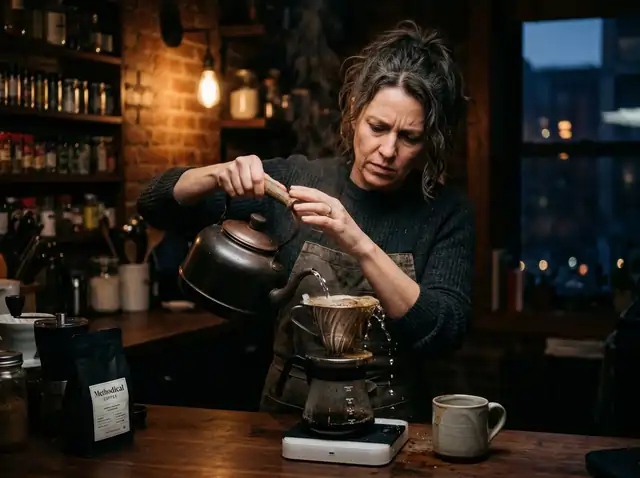
The best pour over coffee methods don’t require expensive If you’re not loving your pour-over coffee, or if it never quite matches the café versions, you might be making some of these common mistakes. The good news: Most of them are super easy to fix.
Why Your Pour Over Coffee Tastes Sour & How To Fix It
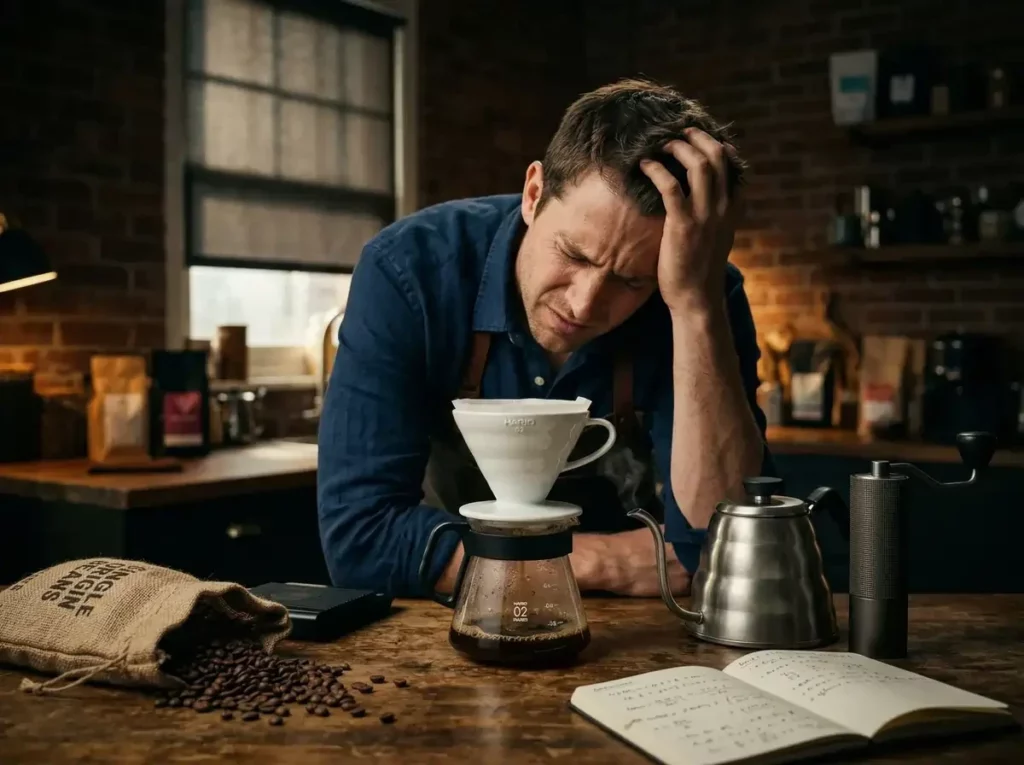
Pour over coffee can taste absolutely amazing when everything goes right. It’s my go-to for a morning ritual with a little extra Zen. But every now and then, a cup hits that sour note that leaves me making a face. If you’ve ever found your pour over tasting more puckering than pleasant, you’re not alone. I’m breaking down exactly why your pour over coffee might taste sour and how you can dial in your brewing game for a smoother, balanced cup every time.
As a mom-preneur running on pure chaotic energy, nothing ruins my morning hustle faster than a muddy, sad cup of pour-over. I’ve definitely been guilty of blame-shifting to my beans when the real culprit was my grind size and total lack of patience. Saving this guide because my sanity and business both depend on properly extracted caffeine!
I can definitely relate to the beans getting blamed, when often times the grind is the real culprit. It’s amazing how much of a difference a small adjustment can make, especially when you’re trying to get a good cup without spending half the morning troubleshooting it.
I’m glad you found the guide helpful. Hopefully it helps keep those muddy cups to a minimum and gives you one less thing to worry about during the morning chaos. Here’s to better pours and properly extracted caffeine!
Brandyn, I remember when I first started doing pour-overs, I kept getting this chalky, lifeless cup that drove me crazy, and reading this is bringing back those memories of the early mornings of trial and error. The tools you I use are very different though.
The tip about checking your grinder for fines is making a lot of sense to me because that powdery dust completely ruins the clarity, I must confess. But…have you ever tried sifting your grounds before pouring, or do you just adjust your burr setting and hope for the best? In Africa, our ancestors pour to the ground for any drink, though, a ritual!
John
Hey John!
I can definitely relate to that chalky, lifeless cup phase! Those early-morning pour-over experiments can be a real lesson in patience.
I’m with you on the fines, too. They can really muddy the cup and take away that clarity we’re chasing. I usually start by adjusting the grind and making sure the grinder is producing a more consistent particle size before reaching for sifting. That said, sifting can definitely be worth experimenting with when a grinder is producing a lot of fines.
And I love that connection to your ancestors and the ritual of pouring. There’s something really interesting about how pouring has carried meaning across different cultures and generations. Maybe the technique changes, but the ritual of preparing a drink and sharing it seems pretty universal.
Thanks for sharing-
Hi, Brandyn! When a cup seems both muddy and flat, which variable would you test first if the grinder is already a decent burr model: the filter, water temperature, or pouring technique? It seems like recording one change at a time in a tasting journal would make the troubleshooting much less random, especially with different beans.
I’m also curious whether you have a practical cue for recognizing over-agitation while pouring, beyond watching for a visibly unsettled coffee bed. For home brewers, that small detail could be the difference between a repeatable, clean pour-over and chasing a different result every morning.
Great questions! If the grinder is already solid, I’d test the pouring technique first. Too much agitation can slow the drawdown, push fines around, and leave you with that muddy, flat cup.
A simple cue is watching how quickly the water drains after each pour. If the bed seems to slow down significantly or stays flooded longer than expected, you may be agitating too much.
And I completely agree about the tasting journal. Changing one variable at a time makes it much easier to figure out what actually improved the cup instead of guessing every morning.
Happy brewing!