
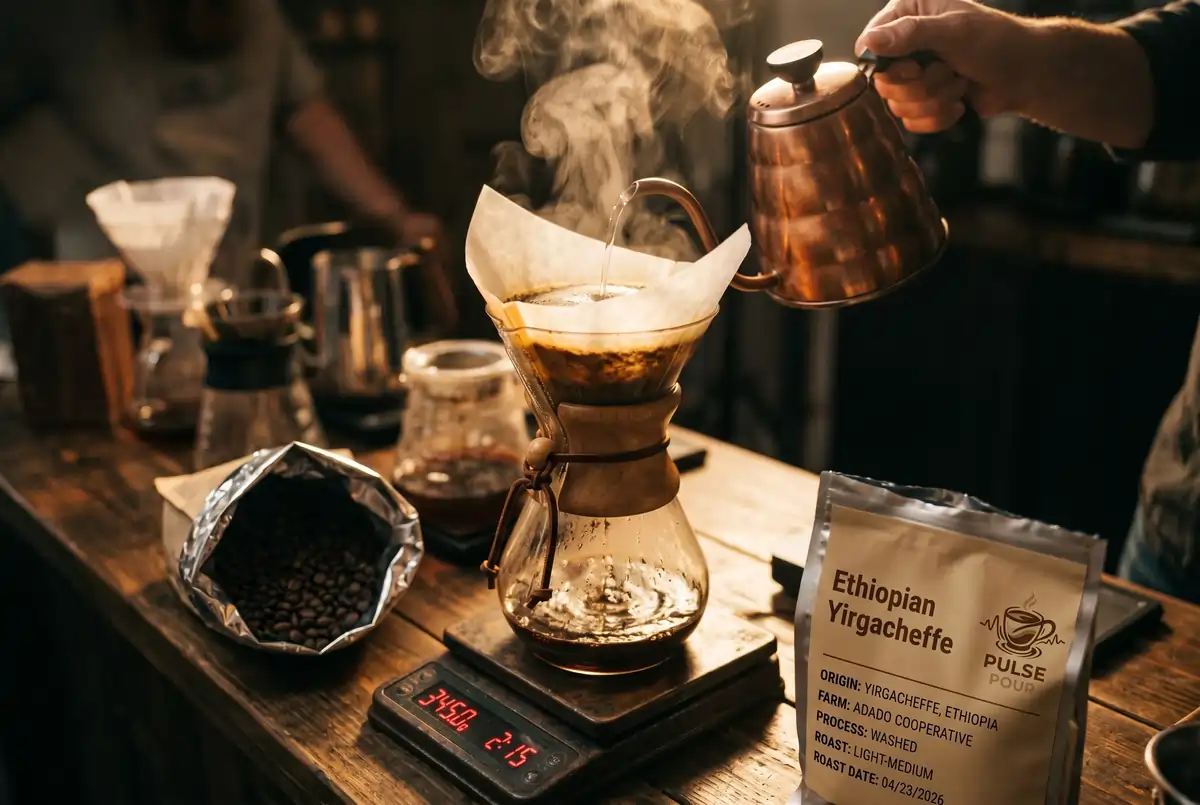
You want a perfect cup of pour over coffee, but the endless bean options leave you guessing. Whether you like smooth and nutty or lively and fruity cups, when you pick the best beans for pour over its a total game changer. Those subtle differences in flavor, roast, and freshness can make your morning mug go from just ok, to seriously memorable.
I’ve spent years trying beans from local roasters, big brands, and even a few random supermarket bags. There’s no magic formula for the “best” bean, but there are some simple things that make the decision way easier. If you’re ready to take your pour over routine up a notch, this guide breaks down how to stop guessing and actually choose beans you’ll love.
Step 1: Know What You Like In Your Cup
Your ideal pour over starts with knowing what kind of flavors get you excited. Do you reach for coffee that’s smooth and chocolatey, or do you want something bright and fruity? Pour over brewing puts the flavors of your beans front and center, so your personal taste matters a lot.
Questions To Help Pinpoint Your Tastes:
- Do you prefer a light, medium, or dark roast?
- Are you into fruity flavors or more classic, nutty notes?
- How about acidity—do you like a bit of tang or something more mellow?
- Do you add milk or drink your coffee black?
Popular Flavor Profiles For Pour Over:
- Fruity and floral (think Ethiopian or Kenyan)
- Nutty, chocolatey, and smooth (try Brazilian or Colombian)
- Sweet, caramel, and syrupy (Central America, like Guatemala or Costa Rica)
Once you figure out your flavor jam, you’ll have a way easier time narrowing down those options at the café or grocery store. Over time, tracking what you like will help guide your next picks and save you from random choices that miss the mark.
The Specialty Coffee Association is putting together standards.
Step 2: Choose The Right Roast Level
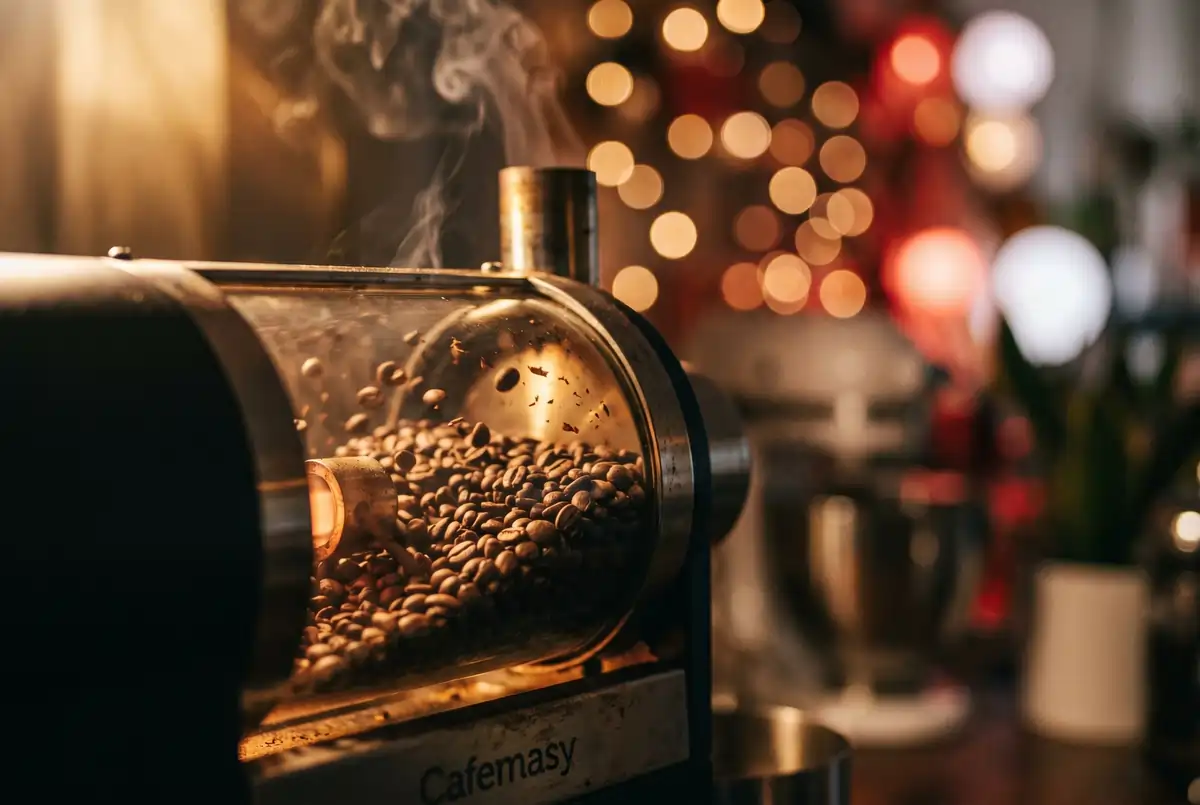
Pour over brewing shines a light on clarity and brightness in your cup, so roast choice matters. Here’s what I’ve learned after brewing more batches than I can count:
- Light Roast: Shows off fruity, acidic, and floral notes. Great for single origin coffees and adventurous palates.
- Medium Roast: Balances acidity and sweetness with rounder body. Good all rounder for most pour overs.
- Dark Roast: Brings out rich, roasted, or chocolate tones, sometimes at the cost of origin-specific flavors. Some folks love it with milk.
If you’re new to pour over, medium roast beans from Central America or Africa are a safe and tasty bet. I keep a medium roast around for easy weekday mornings and a bag of light roast for when I want to get into tasting notes.
Step 3: Look For Freshness (And Why It’s A Big Deal)
Coffee doesn’t last forever, and stale beans can taste flat or bitter. Freshness is super important for pour over because you taste everything, both good and bad.
How To Spot Fresh Beans:
- Roast Date: Look for companies that print the roast date. Coffee is awesome between 4-21 days after roasting for most pour over lovers.
- Whole Beans: Buy whole beans and grind right before you brew. Pre-ground beans lose their flavor way faster.
- Sealed Packaging: Bags with a one way valve keep out air and preserve freshness longer.
If you’re unsure, ask your local barista or check roasters’ websites for how they handle freshness. Whenever possible, snag beans from a local roaster or order directly from specialty roasters online. You’ll spot the difference right away. And if in doubt, err on the side of fresher—you can always let beans rest a few days, but you can’t make stale coffee vibrant again.
Step 4: Single Origin vs. Blend—What’s The Best Beans For Pour Over?
Single origin beans come from one farm or region. They often bring unique flavors to the table and can make your pour over pop with new notes. Blends mix coffees from different places to hit a specific taste or balance. Both work for pour over, depending on what you want out of your cup.
- Single origin: Awesome for exploring new flavors and aromas. Think berry-like Kenyan, floral Ethiopian, or nutty Guatemalan.
- Blends: Created for smoothness and reliability. Good if you like a familiar flavor profile every time.
If you’re curious and want more “wow, I didn’t know coffee could taste like that,” go single origin. If you want something reliable that pairs with breakfast every day, blends have your back. Many roasters label their blends for pour over, making it easy to spot what might work best.
Step 5: Grind Size Matters (So Don’t Skip This)
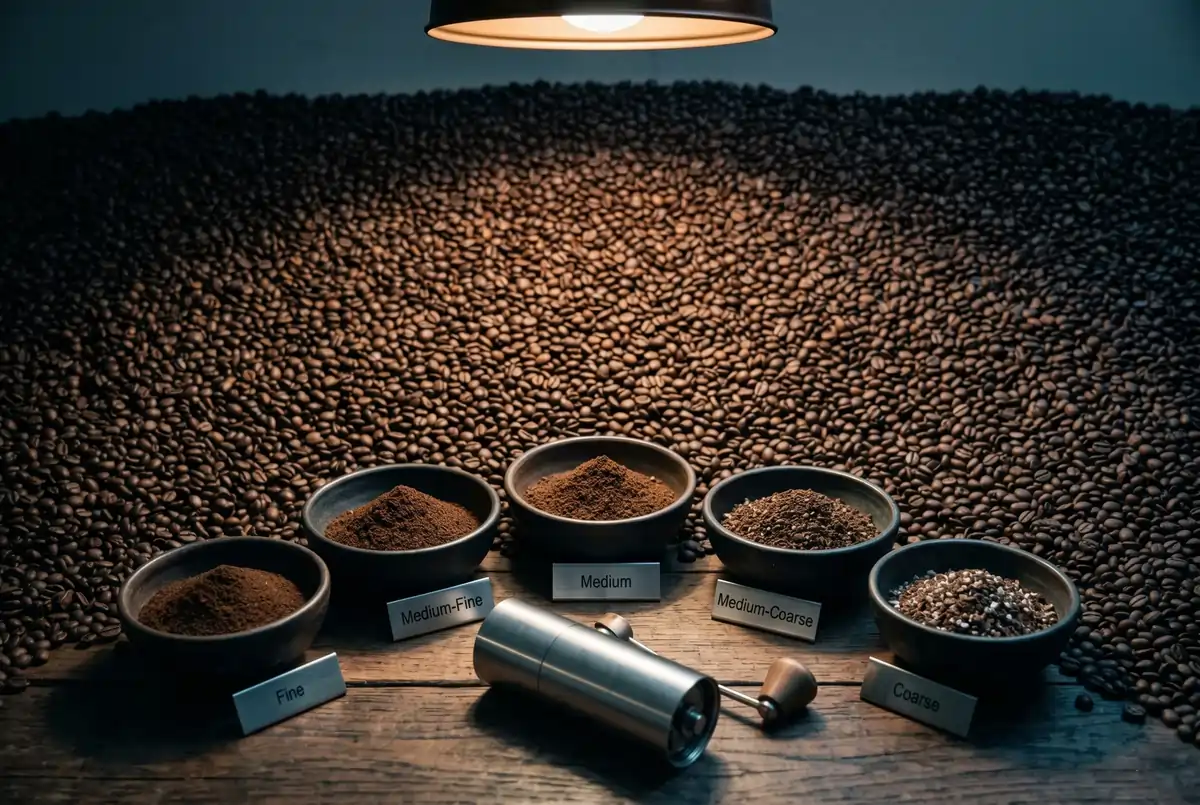
Even the tastiest beans can disappoint if the grind size is off. Pour over coffee likes a medium grind—think sand, not powder. Too fine and your coffee gets bitter; too coarse, and it ends up weak and sour.
Quick Tips:
- Invest in a burr grinder if you’re serious about pour over. It gives you a consistent grind, which helps flavor in a big way.
- Grind right before brewing for the freshest flavors.
- Play with the grind size if your coffee tastes off. Bitter? Go coarser. Sour? Go a notch finer.
To test the grind, check how fast the water runs through your coffee bed. If it’s too slow, make it coarser; if it’s too quick, go finer. It can take a little dialing in, but once you hit the sweet spot, you’ll notice the difference right away. Some enthusiasts even keep a log of grind settings for different beans to speed things up when revisiting a favorite.
Step 6: Pay Attention To Origin And Where Your Beans Come From
Coffee’s origin brings some pretty wild flavor differences. Here are a few classic examples that work really well for pour over:
- East Africa (Ethiopia, Kenya): Bright, complex, sometimes with tropical fruit or floral notes.
- Central and South America (Guatemala, Colombia, Brazil): Nutty, chocolatey, mild and balanced flavor.
- Asia Pacific (Sumatra, Papua New Guinea): Earthy, spicy, thick-bodied, perfect if you want something a little wild.
If you’re feeling bold, try a small bag of something new next time you shop. Picking beans from a mix of regions is a fun way to train your palate and stumble upon unexpected favorites. Working your way through different origins builds up a mental map of what you love and what you want to skip next time.
Step 7: Staying Consistent And Experiment
Great pour over coffee is about learning what you like, but also being open to trying new beans and methods. If you find a favorite, jot it down with the origin, roast, and tasting notes. Over time, it helps you find similar coffees you’ll enjoy just as much.
Tips For Building Your Bean Game:
- Keep tasting notes in a coffee journal.
- Buy smaller bags at first, so you’re not stuck if you don’t love one.
- Talk to baristas or roasters for recommendations. They’re usually happy to help you pick.
Switching up your beans every few months keeps things exciting, but having a go-to bag around makes your morning routine smoother. Consider joining a coffee subscription service for regular access to fresh beans and a chance to get into new single origins and blends.
Common Questions & Troubleshooting
Why does my pour over taste bitter?
- Your beans might be too darkly roasted for your taste.
- The grind could be too fine or you’re brewing too long.
- Old, stale beans can also taste bitter; check your roast date.
How do I store my beans to keep them fresh?
- Keep them in an airtight container, away from light and heat.
- A cool, dark pantry works better than the fridge or freezer for everyday use.
What’s the best way to sample new beans?
- Many roasters offer sampler packs with small bags of different beans.
- Split a few bags with friends or check if your favorite café can grind a small sample to try first.
Final Thoughts & Next Steps
Picking the right beans for pour over coffee is a mix of knowing your tastes, staying open to new origins, and keeping an eye out for freshness. A little info can go a long way, and with each new bag, you get to tweak and learn what really hits the spot.
Quick Action Plan:
- Think about one or two favorite coffee experiences you’ve had; use those flavors to guide your next bean purchase.
- Pick up a fresh, wholebean bag that matches your preferred flavor profile and roast level.
- Dial in the grind and brewing time for your setup, and jot down tasting notes each time.
To keep track of your notes, tweaks, and favorites, I’ve put together the pulse pour tasting journal and flavor wheel for you. All you have to do is sign-up for my newsletter, download the pdf, and print as many copies as you’d like. It’s completely free, and you can unsubscribe at any time.
So… What are you waiting for?
Trying new beans for pour over is half the fun, and every cup is a chance to stumble upon something awesome. Have a favorite or found a bean you love? Share your picks below in the comments section. I’m always looking for new beans to check out too!
Continue Learning
The Best Pour Over Coffee Methods
The best pour over coffee methods don’t require expensive gear or fancy equipment. You can get by with just the essentials and make extraordinary cups of coffee

How To Enhance Your Pour Over Coffee
Want better-tasting pour over coffee? Learn how to enhance pour over coffee flavors with easy tips for grind size, water temperature, bloom, and pouring method
I really enjoyed reading this guide because it breaks down what can feel like an overwhelming choice into something much more approachable. I like how you emphasize learning personal taste first rather than chasing a universal “best bean.” That part about keeping notes and experimenting with different origins especially stood out to me. It almost turns coffee into a small daily ritual of discovery instead of just a quick caffeine fix. I’m curious—have you noticed certain origins consistently shining more with pour-over compared to others, or does it really depend more on the roast and freshness?
Your section on freshness and grind size was also super helpful because those two things often get overlooked. A lot of people focus on buying good beans but forget that grind consistency or stale beans can completely change the result. I also liked the suggestion of buying smaller bags and sampling different regions to build a “mental flavor map.” Do you personally lean more toward single-origin beans for pour-over, or do you ever find a blend that surprises you with complexity? It would be interesting to hear which beans have produced your most memorable cups so far.
Thanks for the thoughtful comment — I’m really glad the guide resonated with you.
You picked up on something that I think makes coffee especially enjoyable: when you start paying attention to origin, grind, and freshness, it really does turn the daily cup into a small ritual of discovery rather than just a caffeine delivery system.
For pour-over specifically, certain origins do tend to shine a bit more consistently. I’ve personally found that Ethiopian coffees are often incredible with pour-over because the method highlights their brighter fruit and floral notes. Kenyan coffees can also be amazing if you enjoy vibrant acidity and berry-like flavors.
That said, you’re absolutely right that roast quality and freshness often matter more than origin alone. A well-roasted fresh coffee from almost anywhere can produce a great pour-over if the grind and brewing are dialed in.
I do tend to lean toward single-origin coffees for pour-over because they make it easier to explore the unique characteristics of a region or farm. But I’ve definitely had a few blends surprise me — especially when a roaster builds a blend specifically for filter brewing rather than espresso.
Some of my most memorable cups so far have been a natural-process Ethiopian that tasted almost like blueberry jam and a washed Kenyan with this incredible blackcurrant sweetness. Those kinds of coffees really show what pour-over brewing can highlight.
I love the idea you mentioned about building a “mental flavor map.” That’s exactly how a lot of people develop their taste over time — just by trying different origins and paying attention to what stands out.
Thanks again for the great comment, and happy brewing!
Before reading about the best beans for coffee I thought most all beans were the same, this had given me an eye-opener to choosing the best beans for my coffee from now on.
Your step-by-step guide in choosing the best beans for pour over coffee makes choosing much easier, when I go to my local Walmart the choices often confuse me. There are so many choices I feel like its a major decision I am making, but now I understand much better from reading your article.
Thank you
Jeff
Hey Jeff,
I really appreciate you taking the time to read the post and share that! It’s honestly surprising how much of a difference the beans make once you start paying attention to things like origin and roast.
Totally get what you mean about feeling overwhelmed at the store—there are so many options. The good news is once you have a basic framework, it becomes a lot more fun to experiment instead of stressful.
Glad the guide helped make things clearer for you. Let me know what beans you end up trying!
This is a really helpful breakdown. I like how you simplified it without making it feel overly technical, especially the part about narrowing down flavor preferences first. That alone probably saves a lot of trial and error.
Freshness is something I didn’t pay much attention to early on either, but it really does make a noticeable difference once you start comparing.
The grind size tips were great too. It’s crazy how much that alone can change the entire cup.
Thanks so much — I’m really glad it came across that way. I always want Pulse Pour to make pour over feel approachable, not overwhelming.
And I completely agree — freshness and grind size are two of those details that seem small at first, but they can totally transform the cup. Once you start noticing those differences, it opens up a whole new level of experimenting.
That’s why starting with your flavor preferences can be so helpful — it gives you a clearer direction instead of just guessing. Really appreciate you taking the time to share that!
This article raises some great questions that every pour‑over coffee lover should think about: **What characteristics make certain beans better suited for pour‑over compared to other brewing methods?** **How do roast level, origin, and grind size influence the flavor you get in your cup?** and **Can experimenting with different beans really elevate your pour‑over experience?**
In discussing the topic, the article does a nice job of explaining how pour‑over brewing highlights clarity and nuance in coffee — which means the beans you choose matter a lot. Light to medium roasts often bring out bright acidity, floral or fruity notes, and delicate complexity, while darker roasts give deeper body and chocolatey tones. Pairing that with the right grind size and water temperature makes all the difference in extraction and balance.
From my own experience, paying attention to origin and roast has completely transformed my mornings. When I switched from generic supermarket beans to single‑origin light roasts and adjusted my grind size for pour‑over, the flavor became richer, cleaner, and more consistent. It made me realize how much subtlety you can unlock simply by choosing the right beans and respecting the process.
In my opinion, choosing the best beans for pour‑over isn’t about following strict rules — it’s about understanding how different beans express themselves and finding the ones that match your taste preferences. Once you learn a few basics and experiment a bit, pour‑over coffee becomes not just a routine, but a personal craft worth savoring.
Thanks so much for sharing this. You made a great point that pour-over really is about learning how different beans express themselves in the cup, not just following a fixed set of rules.
I also love that you mentioned origin, roast level, and grind size, because those small details can completely change the flavor and make the whole process more rewarding. Once you start experimenting and noticing those differences, pour-over becomes a lot more personal and enjoyable.
Really appreciate you adding your experience here — it’s a great reminder that the best beans are often the ones that match your own taste and brewing style.