
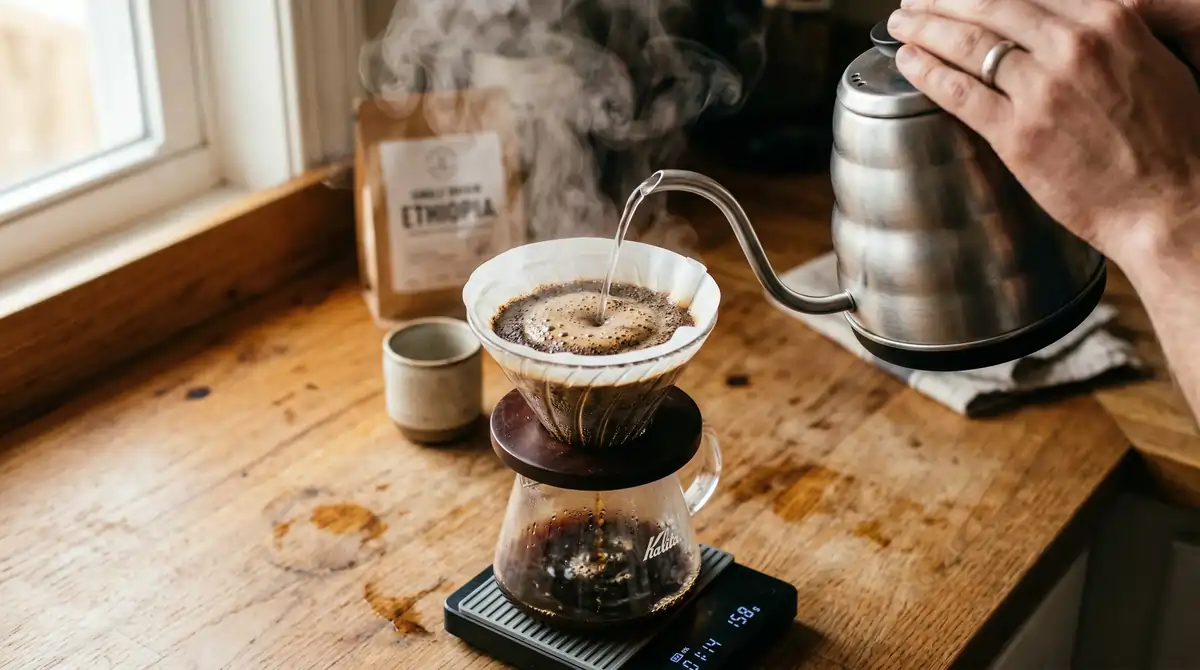
If you’re into pour over coffee, you’ve probably spent time choosing your beans and perfecting your technique. But here’s the truth. your water choice has more impact on the taste of your brew than most people realize. That’s why its important to get the best water for pour over coffee. There’s a good chance your morning cup is getting robbed of its full flavor by the water running out of your tap. I’m here to break down why water really matters and how you can tweak what you use for a better tasting pour over.
You Can Buy Great Beans And Still End Up With A Bad Cup
One of the most frustrating things I’ve run into when brewing coffee at home is, after spending money on high quality beans and taking time to grind them fresh, the final cup still tastes flat or off. That’s when I realized my water was the real culprit. Even the best beans can’t hide disappointing water.
Why water gets overlooked so often
A lot of people focus on things like their grinder, their pour over gear, and even fancy scales, but they just fill their kettle from the tap without a second thought. Water is so everyday and basic that it quietly gets ignored in most home brewing setups. It makes sense. if the water is safe to drink, it seems fine for coffee. But the truth is, it can make or break the flavor.
Coffee is mostly water, so it matters more than people think
Here’s something I learned early. Coffee is about 98 to 99% water, so what’s in that water directly shapes what ends up in your cup. If the water tastes weird on its own or carries odd smells, those are likely to show up in your pour over. The subtle sweetness, brightness, and body you chase with specialty beans depends on water that lets those flavors come through.
When the problem is not your beans, grinder, or technique
If you’ve switched coffee brands, tried a new grinder, or tweaked your pouring method and the results still aren’t what you hoped, it might be time to mellow out on the gear upgrades and pay attention to your water instead. This overlooked step can unlock the taste you were looking for all along. Sometimes, people upgrade everything but neglect the simplest fix.
What Water Actually Does During Brewing
Water isn’t just the liquid that holds your coffee flavor. It’s the solvent, the thing pulling all the tasty (and sometimes not so tasty) stuff out of your grounds. How well it does that job is entirely tied to its own properties, especially the minerals dissolved in it.
How water pulls flavor from your grounds
When you pour hot water over coffee, those grounds release a surge of acids, oils, sugars, and aromatic compounds. Water “extracts” these bits from the grounds. if your water is dialed in right, it brings out a spectrum of flavors, from fruity to nutty to floral. But if it’s off, extraction suffers and all you get is dullness or muddiness.
Why the wrong water can make coffee taste flat, bitter, or lifeless
Water that’s too pure, like distilled, or packed with the wrong minerals, like super hard tap water, grabs too much or too little from your grounds. Distilled water strips flavor unevenly, while heavy minerals in hard water bind up acids and mask nuance, sometimes even leaving your cup tasting harsh or chalky. The balance gets thrown off completely.
The link between water and clean, balanced extraction
The real goal is balanced extraction. pulling enough from the grounds without overdoing bitterness or skipping the bright notes. The right mineral balance in your water acts like a helper, guiding extraction so that you get the pure, sweet, rich flavors your beans can offer. Bad water can slam the door on that balance entirely. It’s often the hidden culprit in lackluster cups.
So, What Is the Best Water for Pour Over Coffee?
You don’t need anything fancy, but there are a few guidelines that can help your pour over sing. The best water for coffee is clean, fresh, and has a touch of minerals to help with extraction, but not so many that it drowns out the coffee itself.
Why clean, fresh-tasting water is the best place to start
If your water tastes funky or has any smell (chlorine, sulfur, or even metallic notes), it’s going to show up ten times as strong in your cup. Start with water you enjoy drinking. Bad tap water equals bad coffee, no matter how nice the beans were. Even water that’s just “okay” can hold back your brew.
The role minerals play in flavor and extraction
Minerals like calcium and magnesium help extract more of the good stuff from your coffee. Too few minerals, and you get sour, thin coffee. too many, and it comes out heavy, muted, or gritty. A little mineral content (what you’ll see described as “medium hardness”) is really useful for balancing the flavor. The Specialty Coffee Association recommends around 50 to 175 mg/L of total dissolved solids (TDS), which you’ll find in many filtered waters.
Why “balanced” water matters more than “perfect” water
Instead of chasing the lab-perfect water recipe, it’s more practical to aim for balance. If your water consistently gives you good results and lets the beans’ best qualities pop, you’re set. You don’t need to stress about expensive filtering systems or blending custom mineral packets if you’re happy with the cup you’re getting.
The Best Types Of Water To Use At Home
When making pour over at home, you don’t need to reinvent the wheel. These options are easy to get and use, and they’ll improve most people’s results right away.
Why filtered water works well for most people
A solid carbon filter pitcher or in-fridge filter can take out common contaminants and smelly chemicals like chlorine but keep the helpful minerals your coffee needs. Filtered water almost always produces a cleaner, brighter cup than most city tap water. It’s pretty cost effective and you probably already have one in the kitchen.
When bottled spring water can be a solid backup
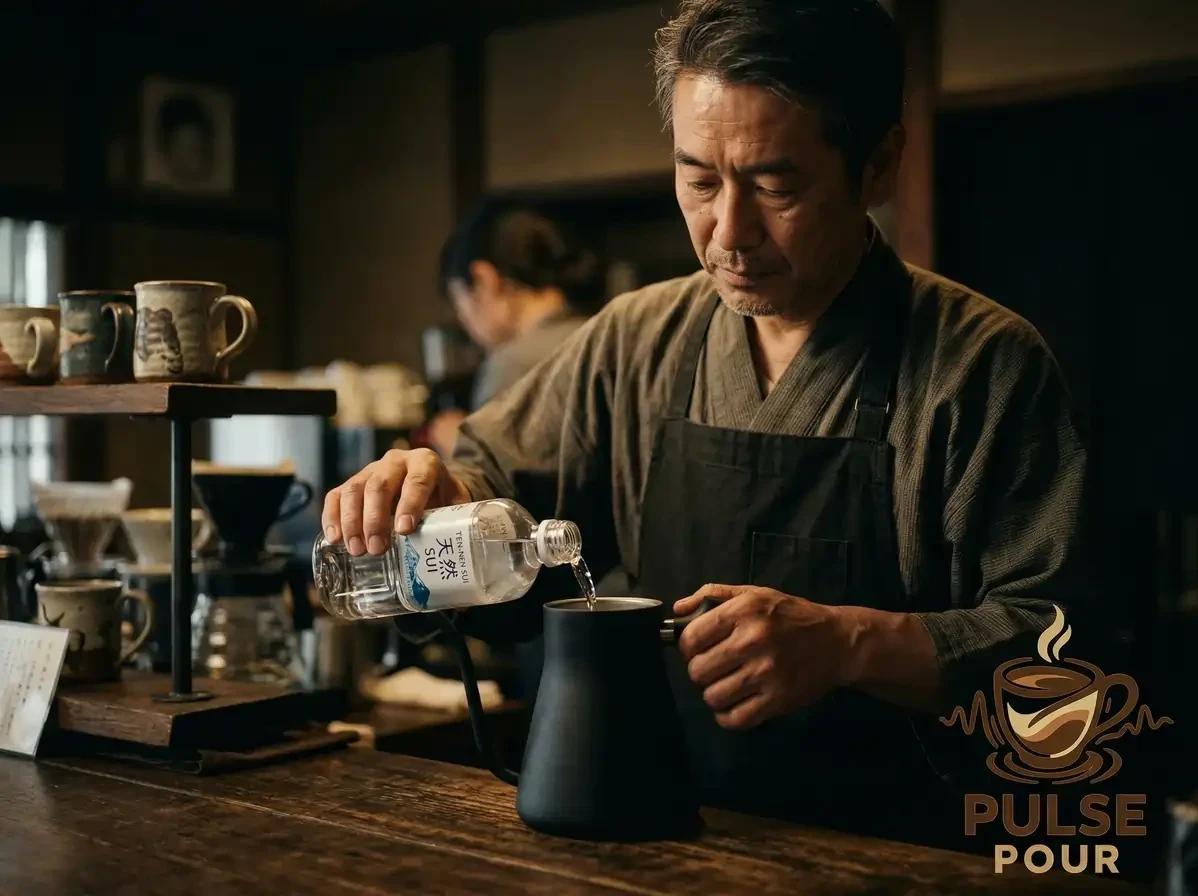
If you live somewhere with bad tap water, or you’re just not happy with what’s coming out of your filter, bottled spring water can work nicely. Just check the label for mineral content. you want moderate calcium and magnesium (often called “hardness” on the label) but not an over the top number. Stuff labeled as “spring water” usually gives a better extraction than pure distilled or “mineral water.”
Who might want to try coffee brewing water packets or custom mineral water
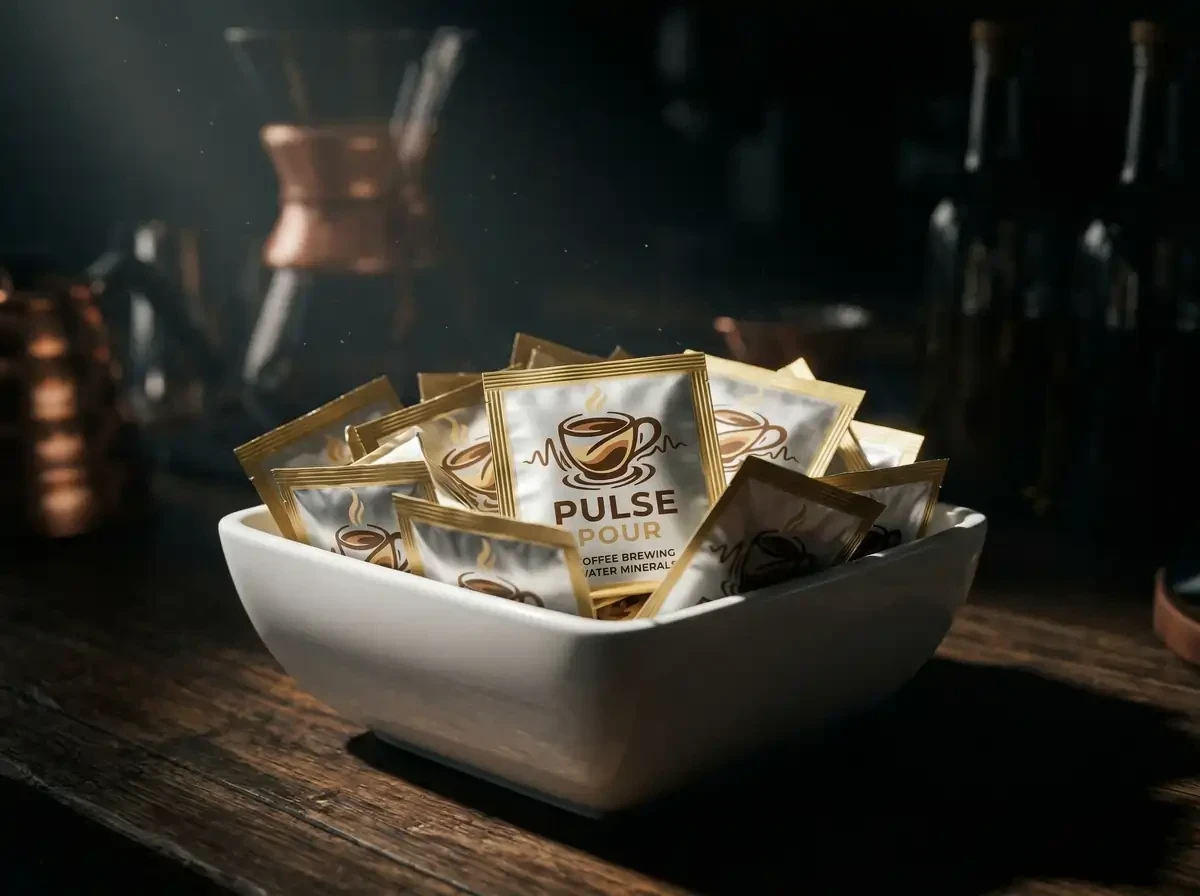
If you’re deep into home brewing, you can try adding mineral packets designed for coffee, like those from Third Wave Water or Lotus. These let you start with distilled or reverse osmosis (RO) water and build your own coffee balanced water. It’s a bit more involved, but people chasing cafe-level results at home sometimes find this is a fun way to fine-tune their favorite beans. For most people, though, it’s not strictly necessary.
The Types of Water That Can Ruin Your Cup
Some types of water are easily available but just don’t play nice with pour over. Here’s what to watch out for and why they cause issues.
Why distilled water usually falls short
Distilled water sounds pure, but in coffee brewing, that’s actually a bad thing. With no minerals at all, distilled water pulls flavor unevenly, often making coffee taste thin, tangy, or even a little metallic. The lack of minerals also means it won’t buffer the acids and aromatics coming from your grounds, which wrecks balance.
How hard water can mute flavor and create harshness
Super hard water is packed with excess calcium, magnesium, and sometimes iron or other metals. When you brew with hard water, those minerals cling to and trap acids or flavor compounds, numbing sweetness and clarity. The coffee ends up tasting flat, chalky, or weirdly astringent. Plus, hard water leaves limescale in your kettle fast.
Why softened water is not always a great choice
Water softeners swap out the minerals that create “hardness” for sodium ions (salt), which can affect taste in a different way. coffee brewed with softened water can taste salty, soapy, or just “off.” It still lacks the helpful mineral profile you want for solid extraction. Brewed coffee generally isn’t better with softened water as the base.
What chlorine, sulfur, or metallic tastes can do to your brew
Any tap water that smells of bleach, rotten eggs, or metal guarantees those flavors end up front and center in your coffee. These come from chlorine or chloramine treatment, old pipes, or ground water contamination. They overlay every sip with weirdness and drown out anything good from your beans.
How To Tell If Your Water Is The Problem
If your pour over experience feels stuck, but you’re sure about your process and your coffee is freshly roasted, bad water could be silently sabotaging you. Here are some classic signs that water is getting in the way of a great cup at home.
Your coffee tastes dull no matter what beans you buy
If you try different roasters, regions, or roast levels and your coffee always feels lifeless, your water could be muting whatever makes those beans special. Water that’s too hard, too soft, or chlorine-heavy sits like a wet blanket over character and nuance. You might be missing out on the pop and clarity.
You keep changing your grind size, but the cup still tastes off
When you’re adjusting grind size, dose, pouring pattern, or temperature and the coffee still comes out muddy or bitter, it could be because you’re trying to compensate for water that’s fighting you every step of the way. Even a perfect grind can’t fix what rough water ruins. Sometimes all your tweaks fall flat, and water is the true issue.
You notice bitterness, weird aftertastes, or muddy flavors
If there’s a metallic, salty, or chemical twang that’s showing up in every batch, it’s probably about what’s in your water and not your coffee skills. These off flavors don’t come from beans or brewing, they show up from the water itself. Water is the unseen factor that colors every cup.
Your kettle or brewer keeps collecting scale
If your kettle or your pour over dripper quickly builds up a crusty white or yellowish coating, called limescale, you’re probably using hard water. That same mineral load affecting your hardware is messing with your finished cup too. Scale is a sure sign it’s time to reevaluate your water.
A Few Easy Ways To Improve Your Brewing Water
You don’t need a chemistry degree or expensive gear to fix your water game at home. These steps are worth a shot if you’re not happy with your pour over flavor. Even small changes can breathe new life into your morning cup.
Start with a basic filter and taste the difference
If you only try one upgrade, go for a simple activated carbon filter (like a Brita or PUR pitcher). Notice how tap flavor, chlorine, and odd smells drop off after filtering, and your coffee gets a quick upgrade in clarity and taste.
Try brewing the same coffee with two different waters
If you want to see how much water matters, brew the same beans with tap water and then with filtered (or a decent bottled spring water). It’s a low hassle experiment, and most people notice a marked difference immediately.
Use fresh water every time you brew
Don’t leave water sitting in your kettle between brews. Freshly filtered or poured water always tastes better. it loses absorbed odors and doesn’t pick up metallic notes from sitting around. This easy step helps your brews stay crisp batch after batch.
Keep your water consistent when dialing in your recipe
Once you get a water source you like, stick with it for dialing in your grind size, temperature, and pour technique. Consistency in water helps you actually see the differences you’re making with other variables. It becomes much easier to spot what really matters.
Do You Really Need Special Water For Better Pour Over?
While a few professional baristas might tinker with mineral blends, most folks brewing at home don’t need to stress out about using bottled “coffee water” to get great results. The basics really do go a long way.
For most home brewers, probably not
If you’re using filtered water that tastes fine out of the glass, it’s almost always good enough to get you 90% of the way to a cafè quality cup. Don’t overthink it if you’re happy with what you’re brewing already. Focus on enjoying your coffee and only tweak water if something seems lacking.
If you’ve tried cleaner water, or even natural bottled spring water and are still having issues, check this out to perfect your pour over coffee brewing.
But if you want better clarity, water can be a real upgrade
If you’ve dialed in everything else and want your coffees’ origin flavors to punch through, upgrading your water might surprise you. It’s one of those subtle upgrades that can make a regular brew taste more lively and layered. It’s worth exploring if you’re curious and love experimenting. The impact might be bigger than you expect.
Why this small change can make your whole brew setup feel better
Even casual drinkers notice when their pour over tastes “cleaner” or just more pleasant, which makes every step of your coffee routine more enjoyable. Improving your water isn’t just about lab numbers. it’s about getting a cup you actually love drinking.
Final Thoughts On The Best Water For Pour Over Coffee
Water doesn’t get enough credit in the home coffee scene, but it quietly shapes every cup you brew. If chasing better coffee, it helps to give water some real attention. Even small tweaks, like using a simple filter or switching up your water source, can breathe new life into beans you thought were boring. No need to splurge on fancy gadgets or special bottles. just aim for water that tastes good to you and lets the coffee’s best traits shine. If your brew feels stuck even after trying different beans or grinders, flipping your water routine is an easy move that can change everything.
Better water will not fix everything, but it can fix a lot
There’s no magic bullet for bad technique or stale beans, but switching up your water deals with a lot of common issues. You’ll notice improved sweetness, more clarity, and fewer off flavors right away. Keep water in mind as your secret weapon for upgrading your cup.
You do not need fancy water, just better water
A good filter or decent spring water solves most problems for most people. Chasing down “perfect” is overkill for all but the biggest coffee nerds out there. For most, this simple change offers a huge payoff for your effort.
If your coffee has been underwhelming, this is one of the easiest things to test
A quick change to filtered or better tasting water is almost zero hassle compared to buying new gear or beans. It’s a smart place to experiment if you’re just not satisfied with your regular cup. Who knows, you might stumble upon your new favorite cup by making just this one switch.
If you’re still adjusting you’re approach, try one of these pour over methods.
Frequently Asked Questions
Home brewers ask these water questions all the time. Here are my clearest answers for the most important ones.
Question: Is tap water okay for pour over coffee?
Answer: Tap water can work if it tastes good on its own, isn’t too hard or soft, and doesn’t have any weird smells or aftertastes. A basic filter usually bumps up the quality enough for most home brewing. If it tastes odd on its own, use a filter for best results.
Question: Is filtered water better than bottled water for coffee?
Answer: Filtered water at home is usually cheaper and works great, especially if your tap water isn’t awful. Bottled spring water is a solid backup, but you’ll want to check the mineral content. too much or too little can both mess with your coffee’s taste. Pick whichever gives your cup the cleanest, most balanced flavor.
Question: Why is distilled water bad for coffee brewing?
Answer: Distilled water doesn’t have the minerals coffee extraction needs, so your coffee ends up flat, thin, or a bit sour. You want a touch of minerals (like calcium and magnesium) to help your beans taste their best. That little boost pulls out more flavor with each pour.
Question: Can water really change how coffee tastes?
Answer: Water totally changes how coffee tastes. It can lift up sweetness and clarity or bury good flavors with off notes and bitterness, depending on what’s in it. Switching your water is one of the easiest ways to improve what you’re tasting from your morning cup. Give it a try and test it out!
Even the water temperature makes a high impact. Learn more about how water temperature affects pour over coffee brewing here.
Question: What is the easiest way to improve water for pour over coffee?
Answer: Grab a simple carbon filter pitcher. If your tap water is bad even after filtering, try a few bottles of spring water and see if you get better results. Start from there, no need to get fancy or overthink things.
Continue Learning
Best Pour Over Methods
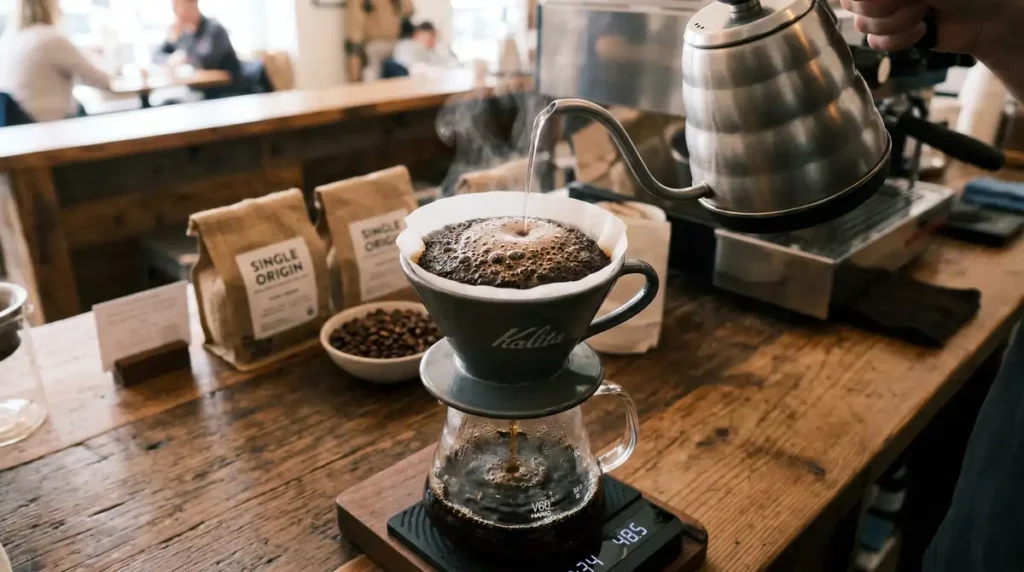
The best pour over coffee methods don’t require expensive gear or fancy equipment. You can get by with just the essentials and make extraordinary cups of coffee
Perfecting Pour Over
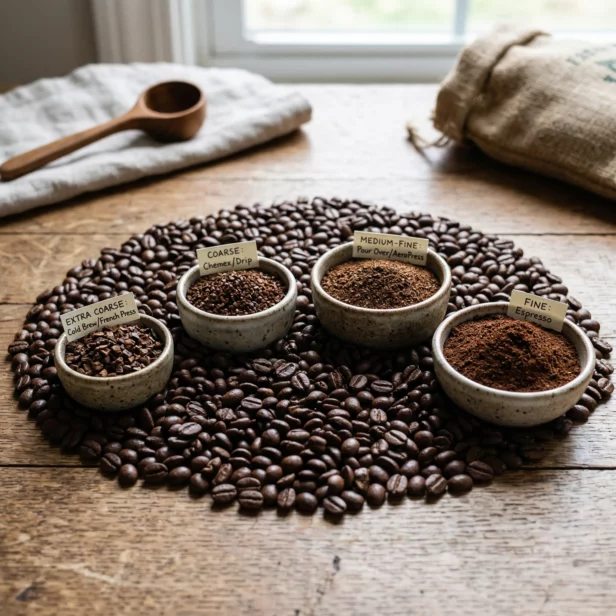
Want to perfect your pour over coffee? It may seem simple, but there’s a lot that can go wrong on your path to perfection. Try this instead.