
If you’ve ever tried making pour over coffee and found it lacking compared to your favorite coffee shop, grind size is likely the missing piece. The best grind size for pour over shapes brew time, flavor, and how much you enjoy your cup. Getting the right grind can seem daunting when you begin, but mastering the basics quickly makes things easier and tastier.
Why Grind Size Matters In Pour Over Coffee
Grind size is more than just turning beans into smaller bits. It controls how quickly water moves through the coffee and how much flavor it pulls out. Figuring out the right grind gives you better control over the whole brewing process, and this really matters with pour over methods.
How grind size affects extraction
When hot water meets coffee grounds, oils and flavors are drawn out. If the grounds are too fine, surface area increases and extraction goes up. If they’re too coarse, extraction slows down. This directly impacts your coffee’s taste, so grind size, brew time, and water temperature all work together for great results.
Why the wrong grind size can ruin flavor
Using grounds that are too fine for pour over leads to bitter, sharp flavors since fine grounds can get over-extracted. On the flip side, grounds that are too coarse bring out a sour or weak cup, because too little flavor is pulled out. Many pour over brewing mistakes can be traced to the grind size not suiting your brewing style or gear.
The balance between brew time and grind consistency
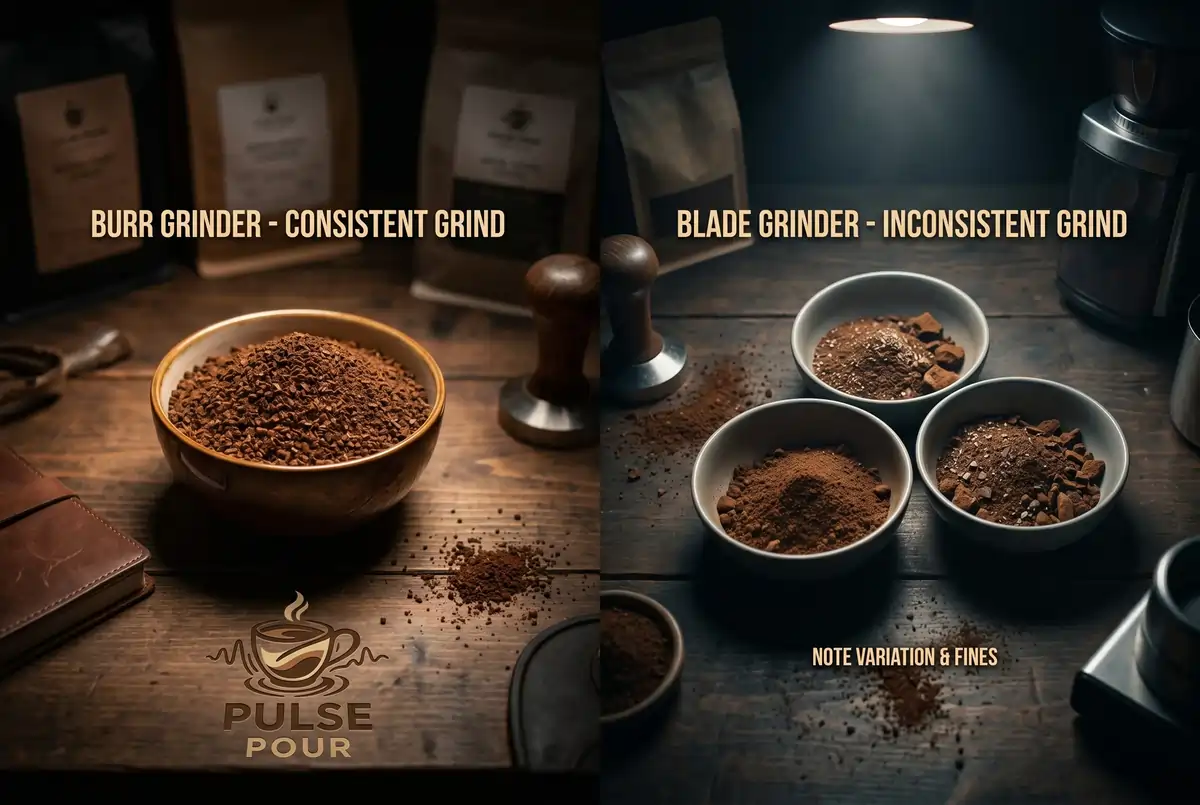
Grind consistency isn’t a flashy topic but seriously improves flavor. A bag of mixed big chunks and coffee dust will deliver an uneven brew, with over-extracted and under-extracted sections. Evenly sized grounds step up extraction and make brewing more predictable and pleasant.
What Grind Size Is Best For Pour Over Coffee?
Most pour over coffee brewers perform best with a medium grind. There are exceptions and tweaks based on your equipment, but medium is typically the ideal starting point if you’re brewing with a dripper at home.
The ideal medium grind for most pour over brewers
Medium grind looks and feels somewhat like regular sand—maybe a touch coarser than table salt, but far from chunky. Most grinders include a “medium” setting, so begin there and tweak to taste. This supports water flow and helps extract sweetness and acidity evenly without bitterness or sourness.
What a proper pour over grind should look and feel like
If you pinch some medium ground coffee, it feels gritty and not powdery. You’ll recognize small, separate grains that don’t clump up. If you pour water over these grounds, they quickly settle. If they float or seem sludgy, the grind is too fine. If they look really chunky, that’s too coarse.
Why different brewers need slightly different grind sizes
Pour over makers aren’t one-size-fits-all. For example, the V60’s flow rate is different from Chemex, and a flat bottom brewer such as a Kalita handles water in another way. Each style changes the time water spends with your grounds, so it pays to tweak your grind to match the equipment and even the bean origin or roast style. Don’t hesitate to mix in some variety as you switch brewers or beans.
Best Grind Sizes For Popular Pour Over Brewers
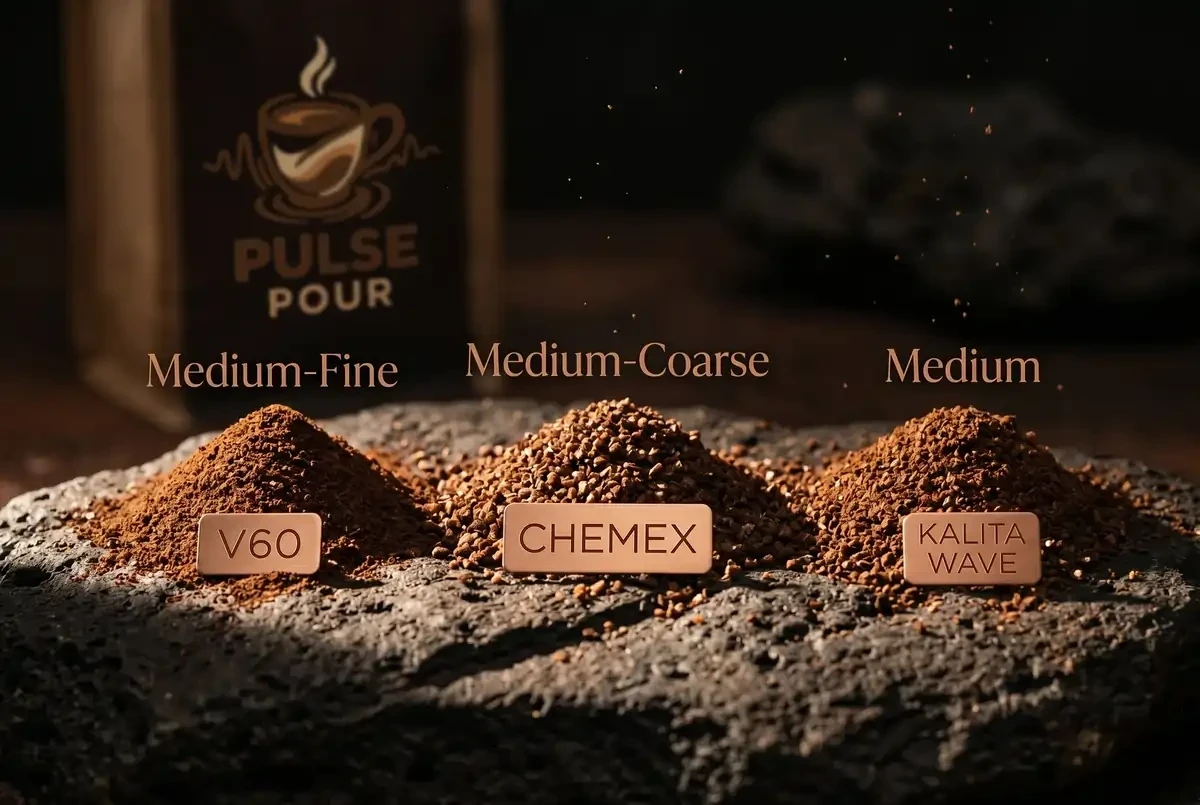
Each pour over style needs a slightly different grind to bring out your beans’ best traits. Here’s a breakdown of grind sizes for the most common brewers:
Best grind size for V60
The Hario V60 performs best with a medium-fine grind, a little finer than regular sand. This grind slows water flow just enough for this quick-draining cone. If you notice your brew finishing under 2 minutes and 30 seconds, shift a bit finer for optimal extraction.
For more information on the V60, check out “How To Use A V60: A Simple Beginner Recipe For Better Pour Over Coffee.“
Best grind size for Chemex
Chemex uses thick filters and a larger carafe, so medium-coarse grind is recommended. It looks like rough sea salt. Water drains slowly through Chemex paper, so you can go coarser without losing flavor. If your brew takes over 5 minutes, move a bit coarser.
For more information on the Chemex, visit: “How To Use A Chemex: Easy Steps For A Clean And Smooth Cup.“
Best grind size for Kalita Wave
Kalita Wave is a forgiving dripper in terms of grind, but medium or medium-fine is usually the sweet spot. The flat bottom already slows water, so if the brew is backing up or clogging, don’t go finer—try minimal agitation and a coarser grind instead.
For a deeper look into the Kalita Wave, see: “How To Use A Kalita Wave: A Forgiving Pour Over Method For Beginners.”
Best grind size for flat bottom drippers vs cone brewers
Flat-bottom drippers such as Kalita or Melitta work best with medium grind. Cone drippers like V60 or Origami Brewer want a medium-fine grind that slows the generally quicker water draw-down. Adjust based on brewer speed and desired taste, but these are reliable starting points.
Signs Your Grind Size Is Too Fine
Too-fine coffee grounds can ruin your pour over’s taste and make your filter’s job much harder. Watch for these clues that you’ve dialed your grind in too tight:
Why fine grinds create bitter coffee
Bitterness, as well as burnt or ashy flavors, point to grounds that are too fine. These grounds extract fast, including the bitter elements you’d rather skip. If your pour over tastes bitter and unpleasant, try going a bit coarser on your next attempt.
Slow draw-down and over-extraction problems
If water takes ages to move through the filter—over 4 minutes for a standard cup—your grind is likely too fine. This causes over-extracted, muddy, and flat results.
How to adjust your grind size correctly
If these issues pop up, try shifting your grinder one setting coarser and brew again. Make small changes and see what happens; big jumps can swap one problem for another. Use time and taste to find your sweet spot: if it lingers and tastes dry, a coarser grind will likely cure it.
Signs Your Grind Size Is Too Coarse
If your pour over tastes sour, weak, or flat, it’s likely because your coffee was ground too coarse. These symptoms are easier to spot than those from too fine a grind:
Why coarse grinds cause sour or weak coffee
Big coffee particles don’t release flavors quickly, producing pour over that is weak, bland, or sour. Sour notes come from acids that make it to your cup without the sweeter, richer flavors that balance them.
Fast brew times and under-extraction explained
If your pour over brew time is less than 2 minutes for one serving, that’s likely too fast. Water slips through before picking up enough flavor, resulting in under-extraction—a classic new brewer issue when the grind is set too coarse for the equipment.
Simple fixes for improving extraction
If your coffee lacks sweetness or is generally flat, make your grind just slightly finer. Monitor brew time and taste. Tiny tweaks sometimes unlock eye-catching sweetness and depth.
How To Dial In The Perfect Grind Size
Pour over brewing’s charm lies in tiny, repeatable improvements. Dialing in grind size involves timing, tasting, and a pinch of record-keeping.
Start with one variable at a time
If your cup is off, change only the grind first. Let water temperature and pour style remain steady. This way, you can spot exactly what altered the brew.
Use brew time as a guide
Brew time acts as a fast check on grind size. Target a brew time of around 2.5 to 3.5 minutes for a single cup. If you’re much under or over, tweak the grind before adjusting other factors.
Taste-based adjustments for better consistency
Trust your taste buds after every tweak. If things taste bitter, try a coarser grind. If the cup is sour or bland, move finer. Tasting as you tweak helps you dial in after you’ve sorted out timing.
Why keeping a coffee journal helps
Writing down your settings, brew times, and flavor notes can seem excessive, but it smooths the way when you’re fixing brewing issues or repeating what works. Consistency quickly improves once you see patterns emerge between settings and cup flavor.
Burr Grinder vs Blade Grinder For Pour Over Coffee
Your grinder’s design can make or break your pour over adventure. Here’s the key info:
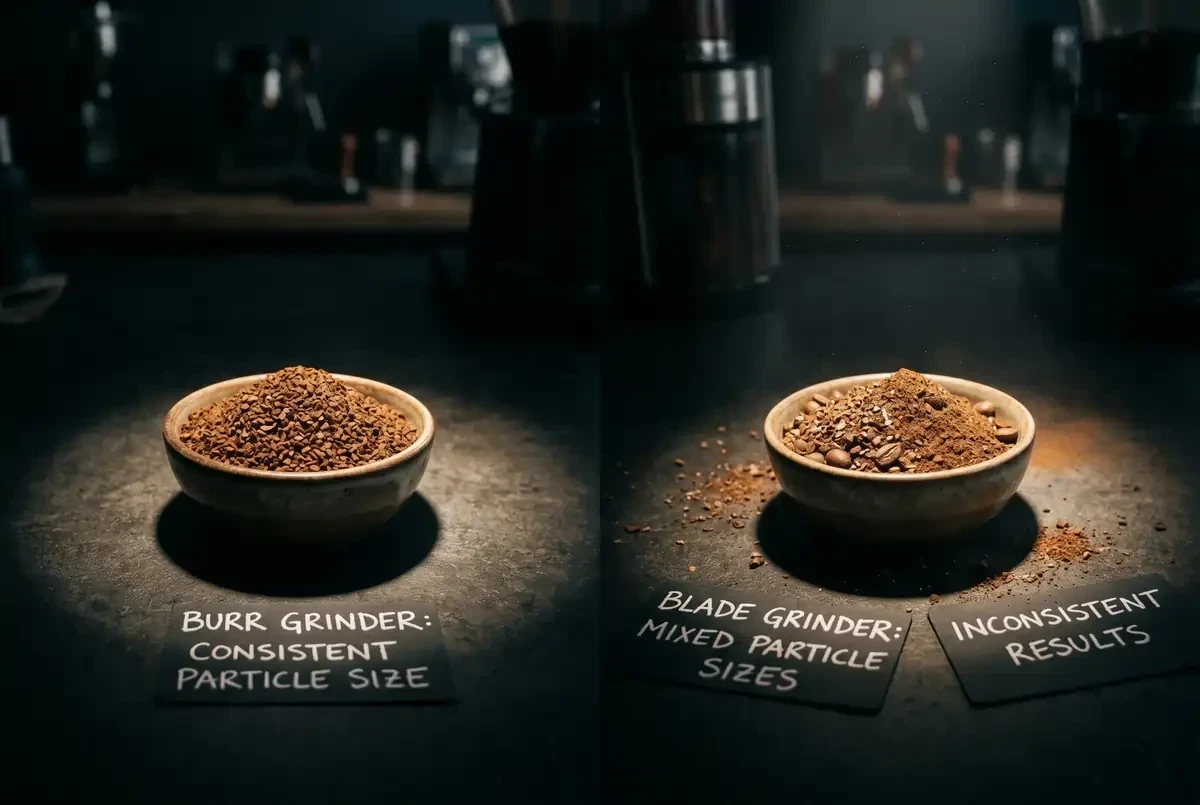
Why burr grinders produce more even extraction
Burr grinders crush beans between two burrs, giving you uniform chunks. This evenness is crucial for pour over brews because it avoids a mix of powder and large pieces, so each particle extracts similarly. Smoother flavor and consistency are the main perks.
Can you still make good pour over with a blade grinder?
A blade grinder will still brew coffee, especially for those just exploring pour over, but it’s harder to get an even grind. You’ll end up with more powdery fines and chunky bits together. If a blade grinder is all you have, just pulse and shake for a more consistent result—give it a try and see how your cups improve over time.
Here’s the grinder I recommend for those new to pour over. It’s called the Ceving Mega. It’s a manual, handheld burr grinder. It’s affordable(Right around $35 at this time), and delivers consistent results. It also holds up to 60g of coffee, which is great for larger batches like you would make with a Chemex.
What beginners should prioritize first
If you want to step up your pour over results, upgrading to a burr grinder is a worthwhile investment. Still, grinding beans fresh right before brewing matters more for flavor than having perfect grind consistency. So, always grind just before you brew—even if you use a simple grinder at first.
Common Pour Over Grind Size Mistakes
Even seasoned coffee lovers run into grind size mistakes now and then. Here are a few pitfalls and ways to avoid them:
Grinding coffee too far ahead of brewing
Ground coffee loses flavor quickly. Always grind beans just before brewing to lock in all the fresh notes and aromas.
Changing too many variables at once
When you change grind, water temperature, pouring, and coffee dose all at once, it becomes difficult to track down what improved or worsened the cup. Stick with tweaking one thing per brew session for clearer progress. To help you out, I put together this tasting journal and flavor wheel so you can track each adjustment. Download now for FREE!
Ignoring grinder retention and consistency
Grinders sometimes cling to old grounds, contaminating new brews. Run a small amount of coffee through the grinder before each session to clear old debris. Also, double-check your grind setting if others use your gear.
Using the same grind size for every coffee bean
Each bag of beans might behave differently. For example, light roasts vs dark roasts usually call for different grind settings. Use small tweaks to match the new beans rather than forcing a single grind rule for all coffee types.
Final Thoughts On Finding The Best Grind Size For Pour Over Coffee
Getting your grind size right for pour over changes the game. Just a little attention to grind size and taste leads to a massive improvement in your cups.
Why experimentation is part of the process
Coffee and equipment aren’t the same each time, so stay open-minded and don’t be afraid to experiment. Tweak, taste, and have fun along the way—every cup is a chance to learn.
Small grind adjustments can completely change your cup
Tiny changes in grind or brew time can turn a plain cup into something eye-catching and sweet. Take notes on what works, and don’t hesitate to fix anything that seems off.
Building consistency with practice and repetition
Pour over brewing gets easier and more rewarding as you gain experience. Practice brings out consistent, delicious results. Enjoy learning, dial in your setup, and savor all the cups you make on the adventure!
Continue Learning
The Best Pour Over Coffee Methods
The best pour over coffee methods don’t require expensive gear or fancy equipment. You can get by with just the essentials and make extraordinary cups of coffee

How To Enhance Your Pour Over Coffee
Want better-tasting pour over coffee? Learn how to enhance pour over coffee flavors with easy tips for grind size, water temperature, bloom, and pouring method