
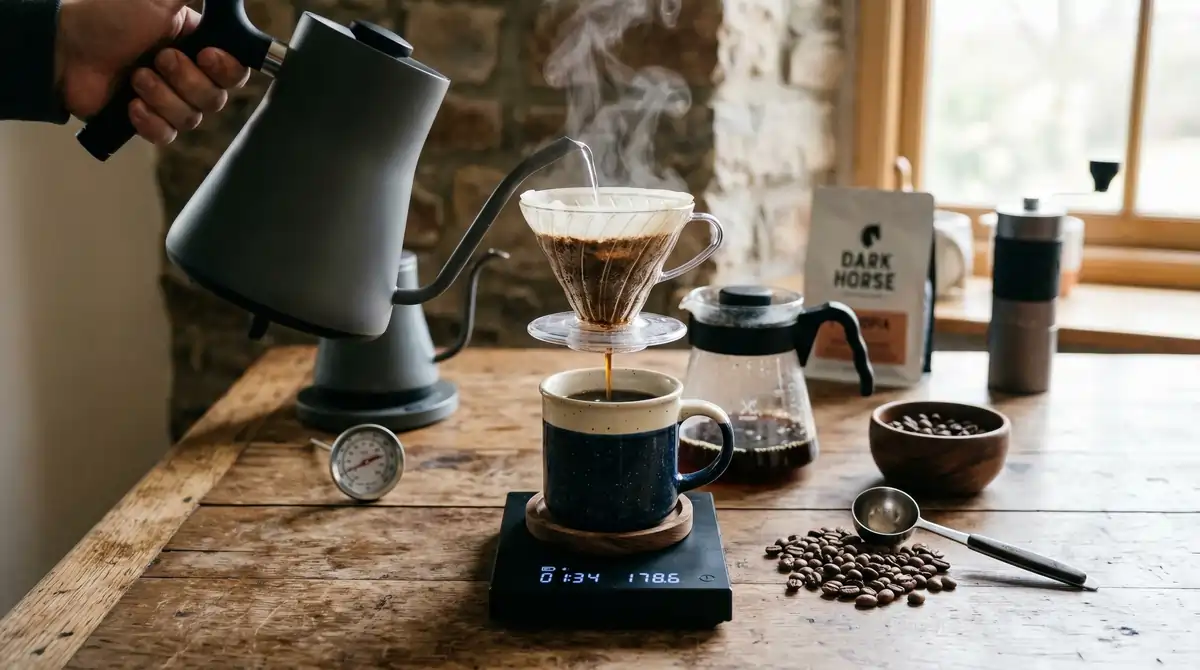
Pour over coffee is all about control. One of the biggest factors in how your brew turns out is water temperature. I found early on in my own coffee adventure that missing the sweet spot can make your coffee taste weak, bitter, or just flat out weird. If you’re after that perfect cup, understanding the impact of water temperature for pour over coffee is super useful.
How Water Temperature Impacts Pour Over Coffee Extraction
Why temperature is one of the most important brewing variables
When brewing pour over coffee, a lot of people focus on grind size or the coffee-to-water ratio, but water temperature sits right up there as a game changer. The reason is pretty simple: temperature controls how fast and how much you extract the soluble stuff from your coffee grounds. Things like acids, sugars, and bitter compounds all dissolve at different rates, and water temperature is what tells them, “Time to jump in the pool.” If you nail your temperature, you set yourself up for a balanced and full flavored cup.
How temperature affects extraction speed and flavor balance
Hotter water speeds up how quickly coffee compounds move from the grounds into your mug. With pour over, this can mean the difference between a sweet, round cup and one that’s sharp or muddy. The temperature needs to be just right so you bring out the flavors you want, like fruity notes or creamy sweetness, while keeping the less pleasant ones, like harsh bitterness, in check.
Why even small temperature changes can affect your cup
A couple of degrees might not sound like a big deal, but in practice, even small temperature tweaks can totally change a pour over coffee’s flavor. If your water is just a tad cooler, maybe 90°C (194°F), you’ll get very different results than brewing at 96°C (205°F). Those subtle shifts can tip your cup from vibrant and lively to dull, or from smooth to sharp. The margin isn’t super forgiving, which is why baristas often use temperature controlled kettles to keep things steady.
Why Water Temperature Matters in Pour Over Coffee
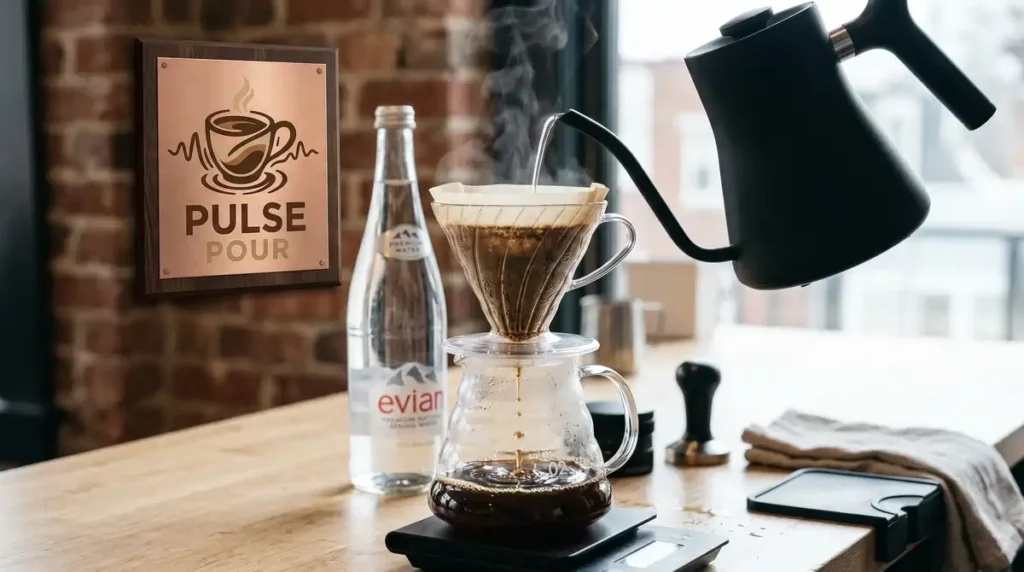
Water temperature helps determine what gets extracted
Water is the vehicle that pulls flavors out of ground coffee, and its temperature decides which compounds dissolve during brewing. Hotter water has way more energy to break down and grab those soluble compounds. Cooler water is pickier and leaves more stuff behind, which isn’t always great if you want balanced flavor. At the right temp, you get acids, oils, sugars, and aromatics in the right proportions for a tasty cup.
Extraction affects sweetness, acidity, and bitterness
Most people want a pour over that’s sweet, has nice body, and just the right amount of acidity. That’s all about extraction, and water temperature is the steering wheel. Lower temperatures make extraction slower, so you usually get sharper acidity and less sweetness. Too hot, and you push bitter or burnt tasting compounds into the cup. The sense of balance—the stuff that makes a cup “just right”—comes from temperature working behind the scenes.
Temperature works together with grind size and brew time
When brewing pour over, you’re juggling three main things: water temperature, grind size, and brew time. Make your water hotter and you may want to grind a bit coarser to avoid overextraction. Going cooler often means grinding finer or extending the brew time. All three factors work as a team, so changing one will affect the others. Once you have a temperature you like, it’s easier to adjust the other variables and really dial in your cup.
Best Water Temperature for Pour Over Coffee Extraction
The ideal temperature range for most pour over brews
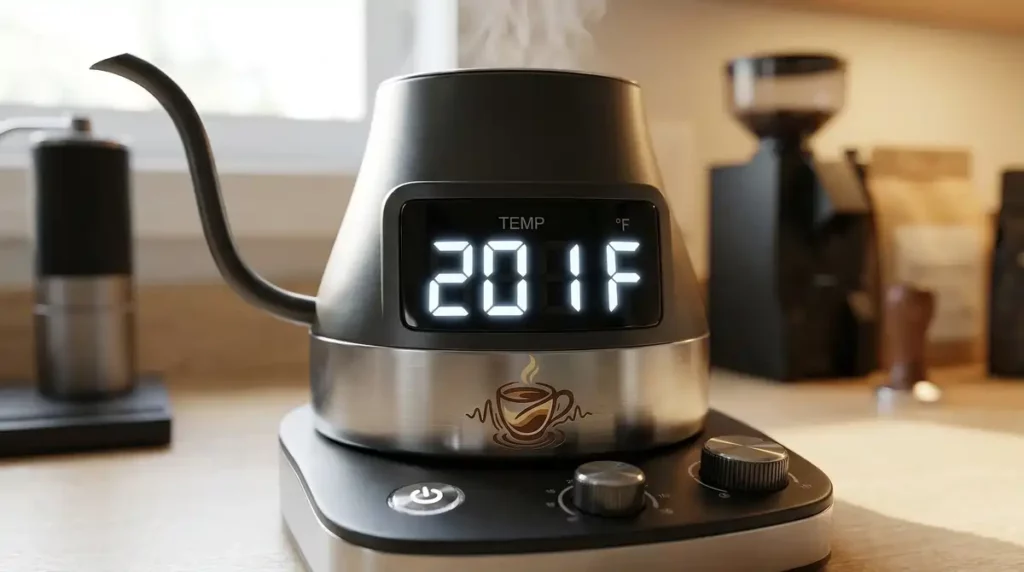
Most coffee pros recommend using water between about 90°C and 96°C (roughly 195°F to 205°F) for pour over. In my kitchen, I usually target right in the middle, around 94°C (201°F), unless I’m brewing something unusual. If you go below 90°C, extraction tends to be slow and can leave your coffee tasting thin or sour. Above 96°C, you start to pull out more of the bitter stuff and sometimes volatile aromatics get lost.
Why the best temperature can vary from coffee to coffee
Not all coffees behave the same. Dense, light roasted beans often shine with hotter water, while darker, less dense beans can taste sharp or bitter if brewed too hot. Origin matters too—natural process coffees, for example, sometimes do best with slightly cooler water to keep things balanced. It’s worth experimenting because these small adjustments can highlight a coffee’s unique character. I usually start in the sweet spot, then tweak by a few degrees if the cup isn’t quite where I want it.
Why consistency matters more than chasing an exact number
Chasing the “perfect” temperature isn’t as important as being consistent. If your water temp jumps around by more than a few degrees from cup to cup, you’ll get unpredictable results. Using a good thermometer or electric kettle with builtin temperature control is pretty handy here. Once you find what tastes good, stick with it. That’s when small tweaks really start to pay off. Sticking to your routine allows you to enjoy predictably good cups of coffee and helps you figure out what subtle differences you like in particular beans or roasts. You can always explore new territory, but consistency is your foundation.
How Hot Water Affects Pour Over Coffee Extraction
Hotter water extracts coffee compounds more quickly
Hot water speeds up everything in the brewing process. It grabs flavors and soluble compounds from coffee grounds faster, which is why most pour over methods use water just off the boil. With hotter water, you’ll generally extract more from the grounds in a shorter time frame, which can lead to big flavors, more sweetness, and a fuller body if you get things right. When you pay attention to your water temperature, you’ll start to notice how nuances of flavor become pronounced or subdued. Over time, using hot water correctly becomes a skill that lets you influence the taste precisely.
Higher temperatures can increase bitterness
Hotter water doesn’t just speed things up, it also pulls out some stuff you might not want in large amounts, like bitter compounds and astringency. This is especially true if you use boiling water or start much above 96°C (205°F). In my experience, coffee brewed with too hot water can taste harsh or lose its subtle flavor notes; dialing back by a degree or two often helps. Trusting your taste buds and practicing with different beans is the best way to avoid a cup that leans too bitter or harsh.
Brewing too hot can flatten delicate flavor notes
Some of those beautiful floral or fruity notes from light or specialty coffees can get steamed away if the water’s too hot. Instead of tasting complex flavors, you’re left with a cup that just tastes strong, sometimes bordering on burnt. If you’re after those intricate, delicate flavors in your pour over, keeping your water in the recommended range (not above it) is really important.
Read this if you want more ways to enhance pour over coffee flavors
How Cool Water Affects Pour Over Coffee Extraction
Cooler water slows extraction down
If your water’s on the cool side (say, below 90°C/194°F), extraction takes a lot longer. The water won’t have enough energy to break down and pull out all the good stuff from your grounds, which can leave you with a weak or underwhelming cup. You might try compensating by brewing for a longer time, but this doesn’t always work out, especially if your grind size isn’t adjusted too. Cooler water can sometimes let you highlight acidity in certain beans, but you risk losing out on body and balance.
Lower temperatures can lead to sour or weak coffee
Sour, grassy, or overly sharp flavors are classic signs that your pour over was brewed too cool. Sweetness and richness often don’t come through, and the cup tastes imbalanced. From personal experience, it’s pretty disappointing to sip a coffee that just tastes “off” because the water didn’t have enough heat to extract the deeper flavors from the beans. A consistent approach to water temperature pays off by keeping those frustrating cups to a minimum.
Brewing too cool can reduce sweetness and body
If you love a rich, fullbodied cup with nice sweetness, water that’s even a little too cool can let you down. Extraction of sugars and oils, the stuff that gives coffee its body, slows way down as you lower the temperature. Even if you increase your brew time, the result can be bland or watery. The best way is to keep your brewing water in that middle range for reliable sweetness and body. With practice, you’ll spot the signs that your cup didn’t get enough heat and correct it for next time.
If you want to perfect your pour over coffee:
How to Perfect Your Pour Over Coffee
How Roast Level Changes Pour Over Coffee Extraction Temperature
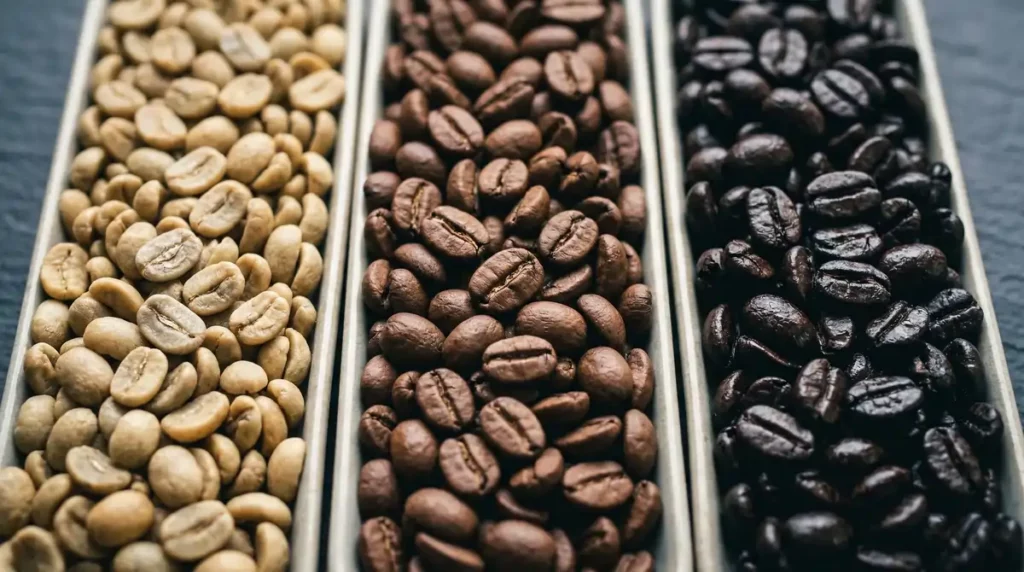
Light roasts often benefit from hotter brewing water
Light roasted beans are denser and have a tighter cell structure than dark roasts. Hotter water helps pull out more flavor from these tough little beans, so if you’re brewing a bright Ethiopian or a washed Kenyan, I usually bump my water temp closer to 96°C (205°F). This brings out lively acidity and more of the unique flavors that light roasts are known for, putting their complexity front and center in your cup.
Medium roasts are usually easier to dial in
Medium roasts tend to be forgiving; they work well across the standard brewing temperature range. I find that somewhere between 92°C and 95°C is usually spot on. Medium roasts have enough solubility for extraction without needing to max out the heat, which means you get a balanced cup with good sweetness, round acidity, and pleasant aromas. They’re an excellent choice for experimenting with various brewing methods and temperatures.
Dark roasts may taste smoother at slightly lower temperatures
Dark roasted beans are more brittle and open-structured, which makes them easier to extract. Using super hot water can drag out bitter, smoky, or ashy notes you probably don’t want. I usually drop my water temp a bit, around 90°C to 92°C (194–198°F), when brewing dark roasts. This brings out the chocolatey, nutty, or caramel flavors without tipping over into bitterness or sharpness.
How to Adjust Water Temperature for Better Pour Over Coffee Extraction
Raise the temperature when coffee tastes underextracted
If your pour over comes out weak, a little sour, or lacking sweetness, your extraction is probably too low. Bumping up the water temperature by just a couple of degrees can help pull out more of the sugars and round out the flavor. I’ve found that even small changes, like moving from 92°C to 94°C, can turn a flat cup into something much brighter and sweeter.
Lower the temperature when coffee tastes over-extracted
If your coffee tastes bitter, harsh, or just overly intense, your water might be too hot, leading to over extraction. Dialing back the temperature often fixes this, especially with dark roasts or older beans. Try backing down by two degrees and see if your cup smooths out. Sometimes, it really is that simple, and you’ll be surprised how quickly the cup improves.
Change one variable at a time while dialing in your brew
When you’re perfecting your brew, it’s tempting to tweak everything at once. Instead, adjust one variable at a time. If you’re trying to dial in water temperature, keep your grind size and brew time the same and taste the difference. Small, careful changes let you understand how water temperature is changing your extraction, which gets you to your favorite cup faster. Keeping a notebook or even simple tasting notes on your phone is a great way to keep track of progress.
Or you can sign-up for our newsletter and get a free tasting journal with a flavor wheel.
Common Water Temperature Mistakes in Pour Over Coffee
Using boiling water without considering the roast
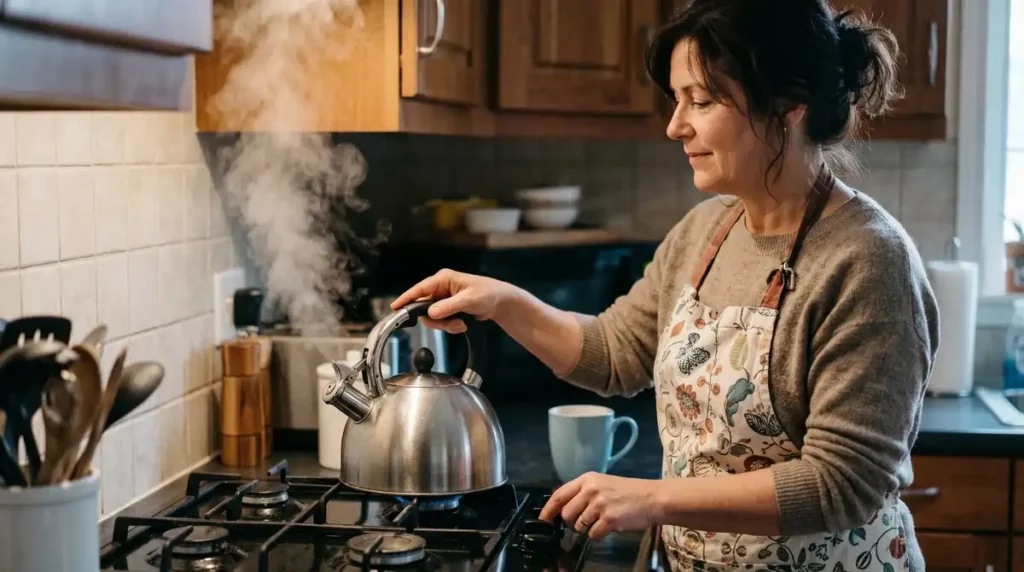
Pouring freshly boiled water (100°C/212°F) is a classic mistake. While some people argue it helps with certain beans, it often pulls out unwanted bitterness, especially from dark roasts. Giving your water a few seconds to cool after boiling is usually a smart move, or better yet, use a kettle that lets you set the exact temperature you want.
Letting water cool too much before brewing
On the other side, waiting too long after boiling means your water sits below 90°C, which leads to under-extraction. This sneaks up on a lot of home brewers, especially if you prep your filter and other gear first or get distracted. I like to prep everything in advance and pour as soon as my water hits my target temp. If you prioritize timing and attention, you’ll sidestep this common pitfall and end up with a way better cup.
Ignoring how temperature affects extraction and flavor
Some folks get so caught up in trying new beans or gear that they forget to pay attention to water temperature. It’s easy to overlook, especially if you don’t have a good thermometer or temperature controlled kettle. But ignoring water temp is like ignoring seasoning in cooking; you’re missing out on the best part of the experience. Getting the hang of temperature control helps you get consistently tasty coffee every morning. Once you make it a habit, the quality of your brew rises fast.
Final Tips for Better Pour Over Coffee Extraction
Start with a reliable brewing temperature range
If you’re new to pour over, I recommend starting somewhere in the 92°C to 94°C (198°F to 201°F) range. It’s a solid middle ground that works well with most coffees and will let you taste what’s possible before you start chasing precise numbers. Having a goto range really simplifies the brewing process. As you get comfortable, feel free to branch out, but consistency at first is key.
Taste and adjust instead of relying on guesswork
Pay attention to what your coffee tastes like, not just what the thermometer reads. If your cup tastes off, make small adjustments and see what happens. Everyone’s gear and taste buds are different, so feel free to tweak until you hit what you like best. Keeping notes can help you track down what works and what doesn’t. Over time, you’ll have a personalized guide to brewing that ensures great coffee every morning.
Use temperature control to get more from your beans
A good temperature controlled kettle makes dialing in your pour over easy and repeatable. Consistent water temperature means you can focus on experimenting with other variables, exploring different origins, and getting the most out of both fancy beans and everyday blends. Once you get a handle on it, water temperature becomes a tool you reach for every time to pull the very best from your coffee. By making water temperature second nature, you’ll find yourself getting more creative—and more satisfied—with every cup.
Continue Here:
If you want to learn more about choosing the best beans for pour over