
Grinding beans right before you brew is one of the quickest ways to improve a pour over. Fresh grounds give you aroma and flavor that pre-ground coffee loses within minutes. It is also easy to get wrong, and a few common grinding mistakes can make a good bag of beans taste bitter, sour, or flat.
If your pour over brews taste off, the grind is a likely cause. It affects how fast water moves through the coffee, how evenly it extracts, and how clean the cup tastes. This guide covers five common grinding mistakes, how to spot each one in the cup, and what to change.
1. Using the Wrong Grind Size
Grind size controls how long water stays in contact with the coffee. For most pour over brewers, including the Hario V60, Chemex, and Kalita Wave, a medium grind is the usual starting point. Picture something between table salt and beach sand. The Chemex uses thicker filters and often does well a touch coarser, so adjust from medium once you taste the result.
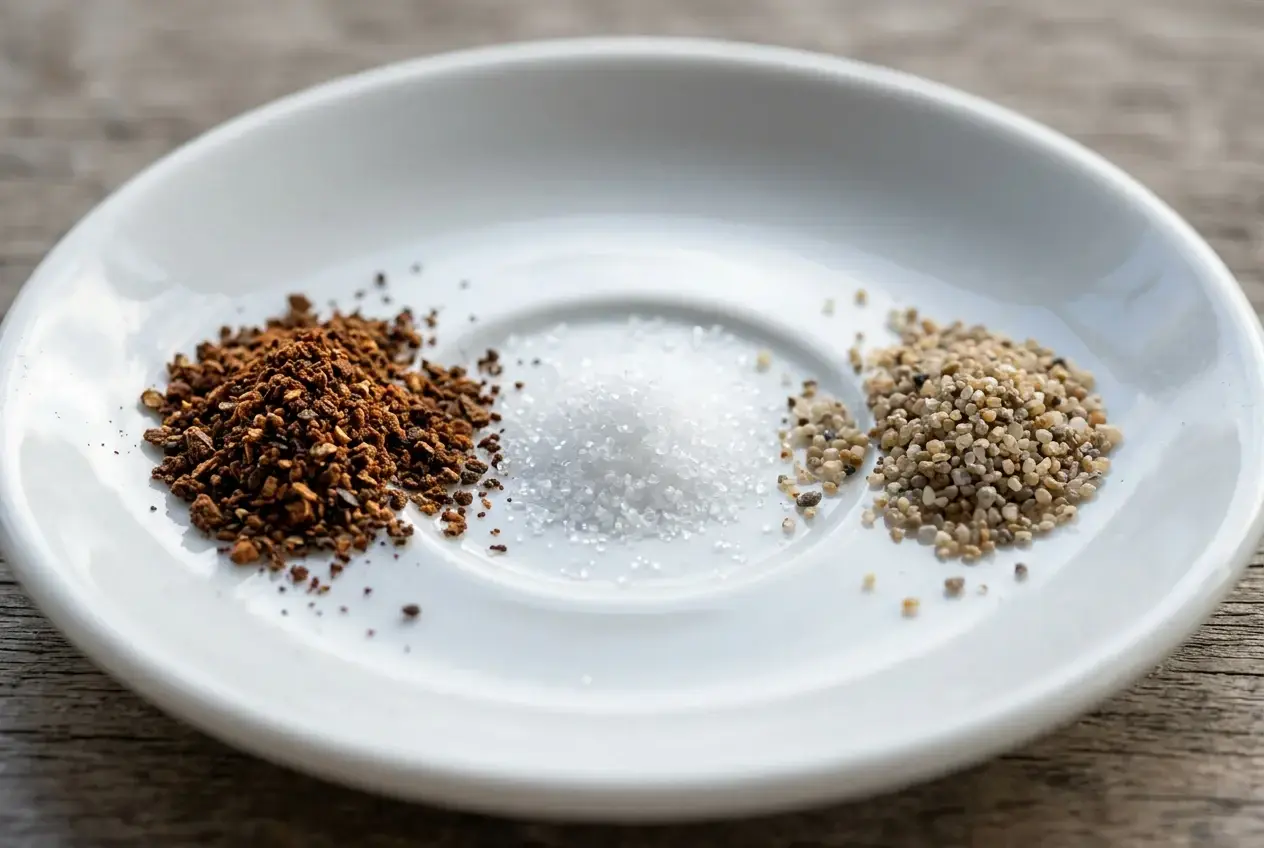
What Happens When the Grind Is Off
-
Too fine: Water drains slowly and over-extracts the coffee. The cup turns bitter, dry, and heavy.
-
Too coarse: Water rushes through and under-extracts. The cup tastes weak, thin, or sour.
Two grinders set to “medium” can produce different results, so judge by the grounds and the cup instead of the number on the dial. Properly ground coffee feels gritty between your fingers, not powdery and not chunky.
Signs You Need to Adjust
-
Bitter, harsh, or dry taste: go coarser.
-
Sour or sharp taste: go finer.
-
Draining much faster than about 2 to 4 minutes total: go finer.
-
Draining much slower than that: go coarser.
Change one setting at a time and brew again before touching anything else. If you change the grind, the dose, and the pour all at once, you will not know which change fixed the cup. For a deeper look at where to start with each brewer, read the best grind size for pour over coffee.
2. Grinding Beans Too Far in Advance
Ground coffee has far more surface area exposed to air than whole beans, so its aroma and flavor fade quickly. Within minutes of grinding it starts to lose the volatile compounds that give coffee its smell and brightness. A stale, flat cup often means the coffee was ground too long before brewing.
The fix is to grind only what you need, right before you brew. A hand grinder makes this easy because the grinding takes a minute or two and is part of the routine.
-
Grind just enough for the cup you are about to make, not a week’s supply.
-
Keep whole beans in an airtight container away from light and heat. Our guide on how to store coffee beans covers the details.
Pre-ground coffee is fine in a pinch, and a flat cup from it is better than no coffee. Just make fresh grinding your normal habit, because the difference in aroma shows up as soon as the water hits the grounds.
3. Using a Blade Grinder Instead of a Burr Grinder
Blade grinders are cheap and common, but they are a poor match for pour over. The spinning blade chops beans into a random mix of fine powder and large chunks. The powder over-extracts and turns bitter while the chunks under-extract and taste sour, so you get both flaws in one cup.
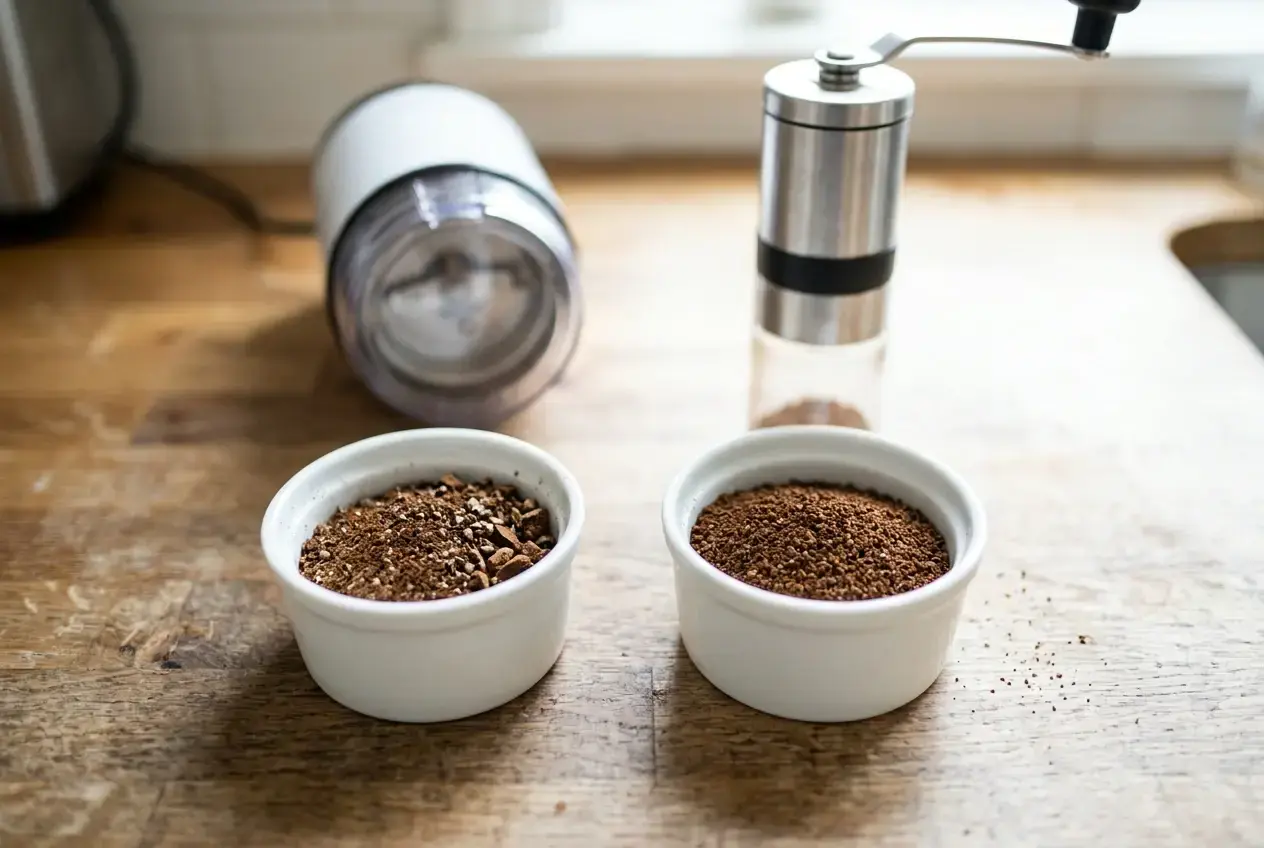
Why Burr Grinders Work Better
-
Two burrs crush the beans to a much more uniform size, so the water extracts the grounds evenly and the flavor is more balanced.
-
You can set the grind size deliberately and return to the same setting later, which makes dialing in possible.
If a burr grinder is not in the budget yet, you can shake a blade grinder between short pulses to even out the grind a little. It will not match a burr grinder, but it helps. When you are ready to upgrade, a manual burr grinder is a sensible place to start because it costs less than most electric ones and works well for single cups. Our review of the best grinders for pour over coffee compares five manual options.
4. Ignoring Coffee and Water Ratios
Grind size and ratio work together. A perfect grind will still give you a weak or harsh cup if the amount of coffee does not match the amount of water. When both are inconsistent, you cannot tell which one caused a bad brew.
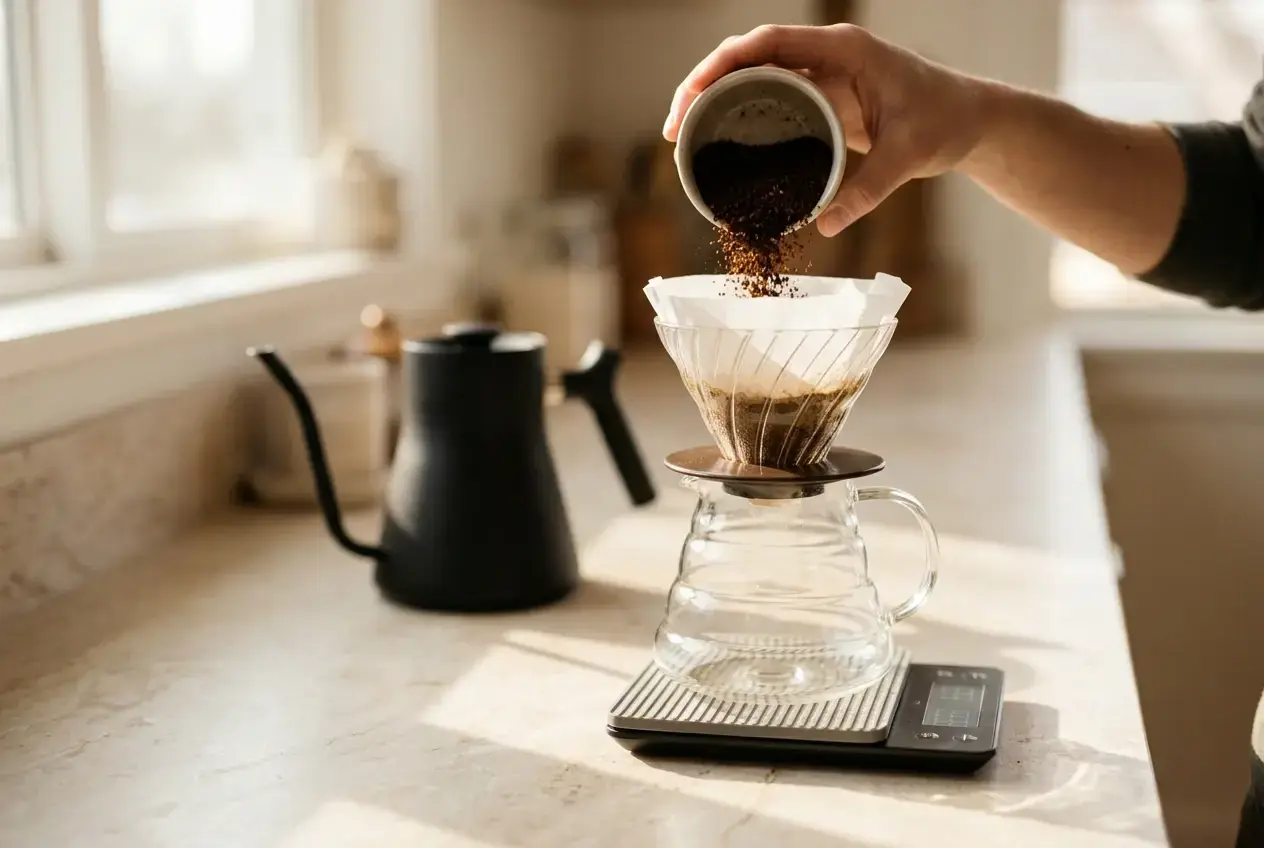
A Simple Starting Ratio
A common starting point is 1 gram of coffee to 16 grams (or milliliters) of water. For about 350 ml (roughly 12 ounces) of water, that works out to about 22 grams of coffee.
Weigh your coffee and your water. Scoops and spoons vary because beans differ in size and density, so a scoop of one roast can weigh noticeably more or less than a scoop of another. A basic kitchen scale removes that guesswork. If you are choosing one, see our guide to the best coffee scales for pour over.
Once your grind is in a good place, adjust the ratio to taste. Use a little more coffee if the cup is weak, or a little less if it is too strong or heavy. Keep the grind fixed while you do this so you can taste what the ratio change alone does.
5. Not Cleaning Your Grinder Regularly
Coffee oils and fine particles build up inside a grinder over time. Old residue can go stale and mix into fresh grounds, which dulls the flavor. If the same beans taste different from one brew to the next and your technique has not changed, a dirty grinder is worth checking.
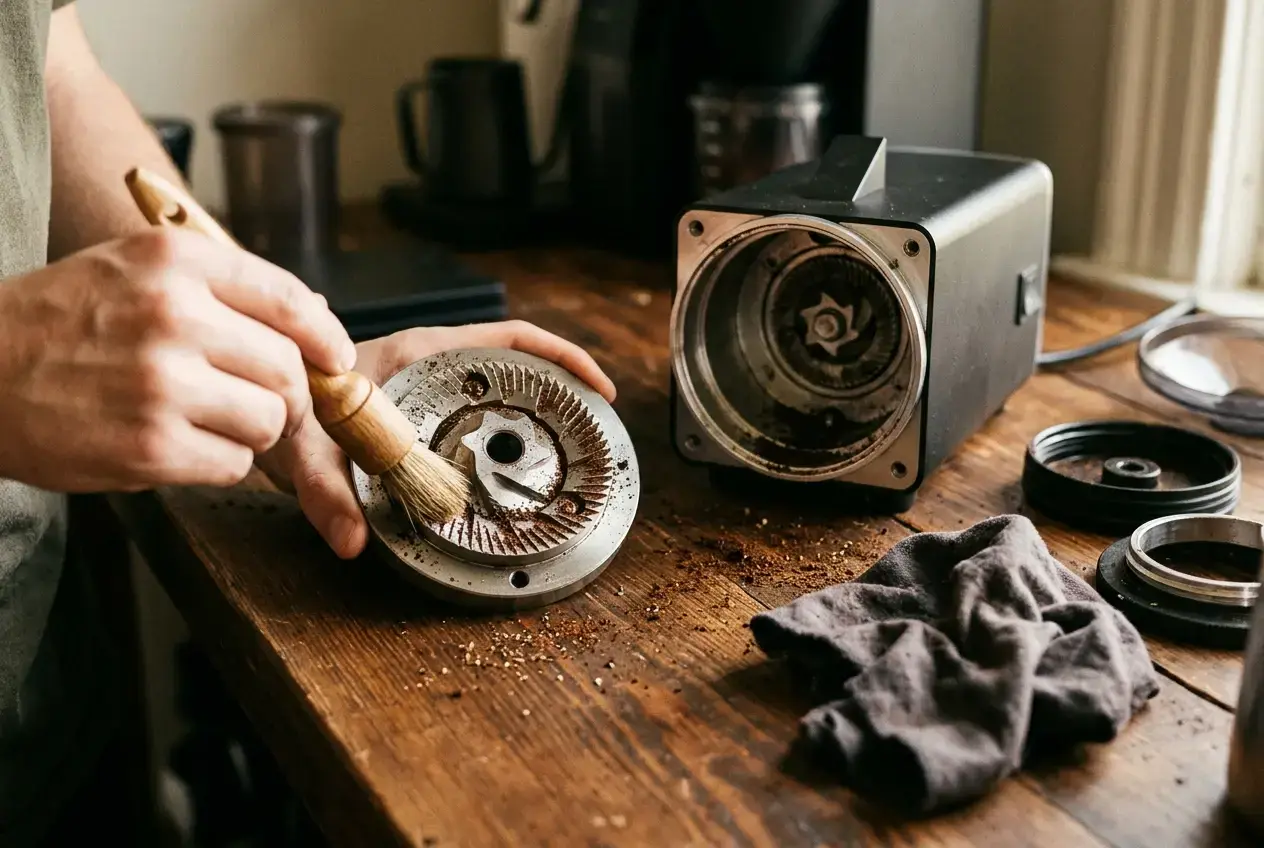
How to Clean Your Grinder
-
Burr grinders: Brush out loose grounds from the burrs and chamber about once a week. A grinder brush works, and so does a soft paintbrush or a clean, dry toothbrush.
-
Deeper cleaning: Grinder cleaning pellets can be run through the machine every couple of months. Check your grinder’s manual first, since some manufacturers advise against certain cleaners, and for hand grinders follow the maker’s instructions for taking the burrs apart.
-
Blade grinders: Wipe out the residue with a dry paper towel or soft brush after each use.
Keep water away from the burrs unless the manual says it is safe, because moisture can cause rust and clump the grounds. A short weekly brush-out takes a couple of minutes. A calendar reminder helps it become routine.
Key Gear for Better Grinding
A few tools do most of the work in a good pour over setup:
-
Burr grinder: Gives you an even grind and a repeatable setting. A manual burr grinder suits a small kitchen or a modest budget.
-
Kitchen scale: Measures beans and water accurately, which scoops cannot do. Many scales also include a timer.
-
Gooseneck kettle: The narrow spout lets you pour slowly and place the water where you want it. See our picks for gooseneck kettles if you are shopping.
-
Fresh, good beans: A grinder cannot fix stale coffee, so start with beans you would be happy to drink.
If you are building your setup from scratch, this pour over kit guide lists the essentials in order.
Common Questions and Troubleshooting
How do I know if my grind is too fine or too coarse?
If the water drains very slowly and the coffee tastes bitter or dry, the grind is likely too fine. If it runs through quickly and tastes sour or weak, it is probably too coarse. Adjust a small amount at a time, then note how the flow and taste change.
Why does my pour over taste different every time?
Check these first:
-
Grind consistency and freshness of the grounds.
-
Whether you weigh both the coffee and the water.
-
Whether old grounds are mixing with fresh ones in a dirty grinder.
The Pour Over Troubleshooter can help you match a specific taste problem to a likely fix.
Can I use pre-ground coffee for pour over?
You can, but it loses flavor quickly after grinding. Many store-bought ground coffees are also ground for automatic drip machines, so the grind may not suit your pour over brewer. Grinding fresh gives you a better cup and lets you control the size.
A Simple Action Plan
Here is an order to work through the next time you brew:
-
Start with a medium grind for your brewer and note how long the brew takes.
-
Grind right before you brew, and only what you need.
-
Weigh your coffee and water at about 1:16, then adjust the ratio to taste.
-
Brush out your grinder once a week.
-
If the cup tastes bitter, go a little coarser. If it tastes sour, go a little finer.
Pick your favorite beans, make one change at a time, and write down what you did and how the cup tasted. A few brews with notes will show you which setting suits your grinder and your brewer.
I enjoy grinding my own beans, and just recently noticed how much grind size and freshness affect the flavor of my pour-over.
What I find fascinating is how much experimentation it takes to dial in the perfect grind for different beans and brewers. For me, even switching from a V60 to a Chemex changes the sweet spot. Do you think certain beans (like lighter roasts vs. darker roasts) benefit from slightly different grind sizes when brewing pour-over, or is it more about sticking to one consistent medium grind and adjusting brew time instead?
Hey!
That’s awesome that you’re grinding your own beans — it really does make a huge difference, doesn’t it? Fresh grinding is one of the biggest upgrades you can make to pour-over.
You’re also right that switching brewers (like V60 vs. Chemex) can change the sweet spot quite a bit. Chemex filters are thicker, so they usually benefit from a slightly coarser grind, while a V60 often works best a bit finer.
As for roast level, lighter roasts sometimes benefit from a slightly finer grind because they’re denser and a bit harder to extract. Darker roasts extract more easily, so a slightly coarser grind can help avoid bitterness.
That said, I definitely wouldn’t stick to one grind size for everything. Part of the fun of pour-over is the discovery process. I usually dial in a grind size each time I open a new bag of beans, because small adjustments can really bring out different flavors and notes that might otherwise stay hidden.
Happy brewing — that experimentation is where the magic happens!
Hi there,
Really enjoyed this—super clear and practical. I’ve definitely made a few of these mistakes without realizing it (especially grinding too far in advance and not paying enough attention to consistency). The way you explained how grind size affects extraction made it much easier to understand what’s actually going wrong in the cup.
I also liked the simple action plan at the end—it makes it feel less overwhelming to improve step by step instead of changing everything at once.
One thing I’m curious about: how much does water temperature play into all of this? If the grind size is correct but the water is too hot or too cool, can it still throw off the taste significantly?
Thanks so much — I really appreciate that.
You’re definitely not alone there. Grinding too far in advance and overlooking consistency are both easy mistakes to make early on, but they can have a surprisingly big impact on the cup. I’m glad the explanation helped make that part feel easier to understand.
And yes — water temperature matters a lot, even when grind size is dialed in. If the water is too hot, you can still end up with a bitter or overly sharp cup. If it’s too cool, the coffee may taste under-extracted, which usually comes across as sour, thin, or lacking sweetness. So even if one variable is right, the wrong temperature can still throw the balance off.
That’s why making small adjustments step by step usually works best. It keeps the process from feeling overwhelming and makes it easier to figure out what’s actually improving your brew.
Thanks again for the thoughtful comment.
As a single mom, those few minutes of peace before the kids wake up are sacred, and learning how to properly grind my beans has totally elevated my morning coffee ritual. I love that this guide explains the “why” behind the grind size, because I definitely don’t have the time or budget to waste good coffee on a sour brew. It’s a small, simple way to treat myself to a cafe-quality cup right in my own kitchen while I gear up for the daily chaos!
I love that — and honestly, that’s such a big part of why pour over becomes more than just making coffee. Once you understand the why behind things like grind size, it gets so much easier to make better cups without wasting beans in the process.
And that little morning ritual before the daily chaos kicks in? That’s one of the best parts. It really is such a simple way to make home coffee feel a little more special.
I often get bitter tasting coffee and I thought it was just the type of coffee I was buying, not the technique I was using to grind the beans. In my case I think I made the beans too fine. I think I also try and save time by grinding enough to use for future cups of coffee, and I see that you say one should grind fresh for each use. How long should one keep the beans for before they go stale?
That makes a lot of sense, and you’re definitely not the only one. A grind that’s too fine can absolutely push a cup toward bitterness, and pre-grinding for future brews can make the flavor fall flat faster than most people expect.
As for whole beans, they’re usually at their best within a few weeks of opening if you keep them in an airtight container away from heat, light, and moisture. They do not go bad overnight, but they gradually lose the freshness that helps pour over taste more vibrant and balanced.
That’s why grinding right before brewing can make such a noticeable difference. Even a good coffee can taste a lot less exciting once it’s been ground and sitting around for a while.