
Coffee tastes its best when it’s fresh. Nothing beats the aroma of a perfectly brewed cup, and the secret behind that great flavor is keeping your beans as fresh as possible. Learning how to store coffee beans the right way can make your daily pour over coffee a whole lot tastier. I’m sharing what works for me, why it matters, and some simple tricks to hold onto that fresh roasted flavor for longer.
Why Learn How To Store Coffee Beans Properly?
Coffee beans start losing freshness as soon as they leave the roaster. Air, light, heat, and moisture are pretty much their worst enemies. Your storage habits can give a boost to or trash your brew’s flavor within days, so it really pays off to get this right.
How oxygen affects coffee freshness
Oxygen reacts with oils and compounds in coffee beans, speeding up a process called oxidation. This makes beans go stale quicker and strips out their bright flavors. Whenever you open a coffee bag, a little more oxygen gets in, so minimizing exposure is key for anyone chasing the freshest taste possible.
Why light, heat, and moisture damage coffee beans
Sunlight, warm temperatures, and humidity each mess with coffee beans in their own way. Light and heat break down delicate flavor compounds, while moisture can cause beans to grow mold or just lose their crisp, snappy texture. Even short periods in the wrong conditions can cause dramatic differences in how your coffee tastes.
How stale coffee changes flavor over time
Fresh coffee has complex flavors: sweetness, acidity, and subtle notes like fruit, flowers, or nuts. As beans age and interact with air, they lose this range and turn dull or flat. If your coffee starts tasting more like cardboard than something exciting, chances are it’s not being stored well.
What Happens When Coffee Beans Go Stale?
It’s easy to forget how quickly coffee beans can lose their magic. Most folks don’t notice the switch until their cup just seems, well, boring.
Signs your coffee beans are losing freshness
Stale coffee beans often lose their shine. You might notice the beans look dry or lighter in color, and the smell isn’t as sweet or aromatic as it once was. When brewing, there’s way less crema (that golden foam on espresso or the bubbling bloom in pour over).
Why stale beans produce flat or dull coffee
As coffee loses freshness, the vibrant flavors fade away and what’s left behind is mostly bitterness and sourness. Pour over brewing is especially sensitive to this change, since it highlights every aspect of the coffee’s profile. Old beans mean less complexity, little sweetness, and a flavor that’s just sort of sad.
In the search for beans that are great for pour over coffee? Check out my guide on how to choose the best beans for pour over.
How freshness impacts pour over extraction and flavor
Fresh beans bloom and extract evenly during pour over, which brings out their interesting nuances. Stale beans resist brewing and won’t release those same flavors; they might taste weak or even a bit musty, making for a cup that’s nowhere near enjoyable.
The Best Way To Store Coffee Beans At Home
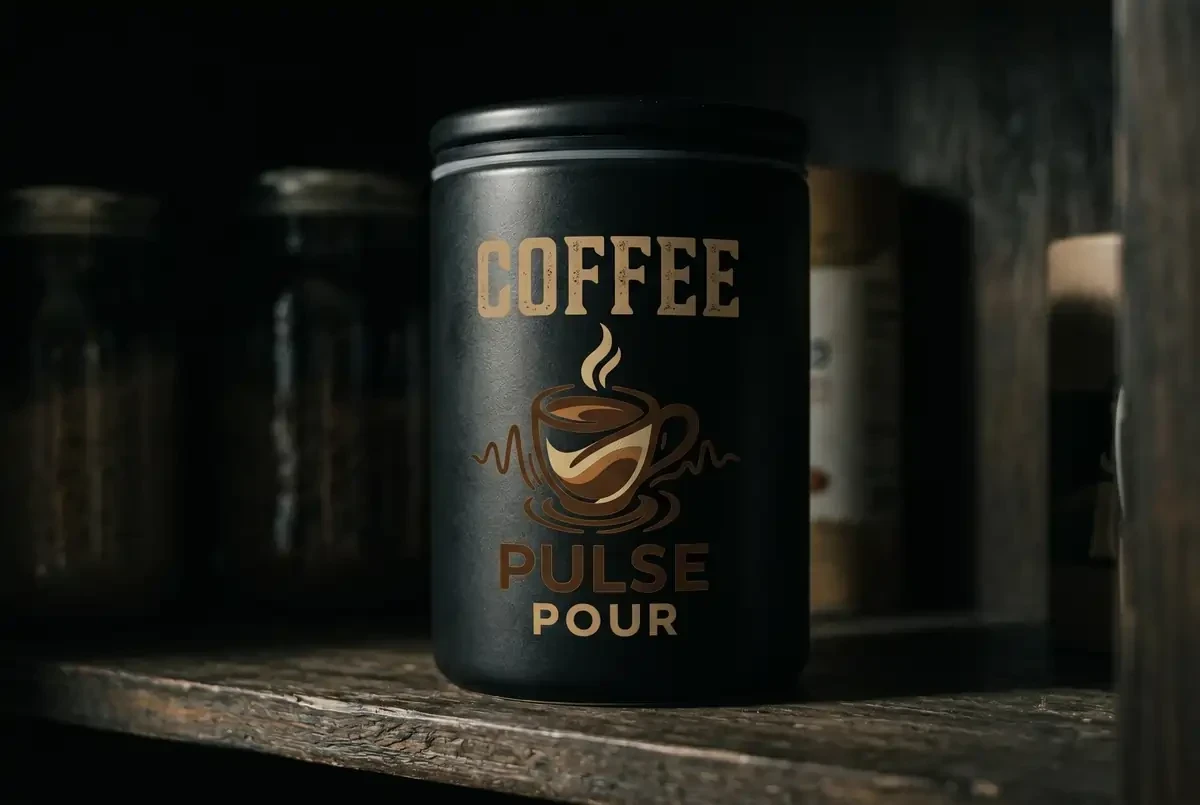
Storing coffee doesn’t need to be high tech or expensive. A little know how goes a long way toward keeping those beans happy and flavorful.
Use an airtight coffee container
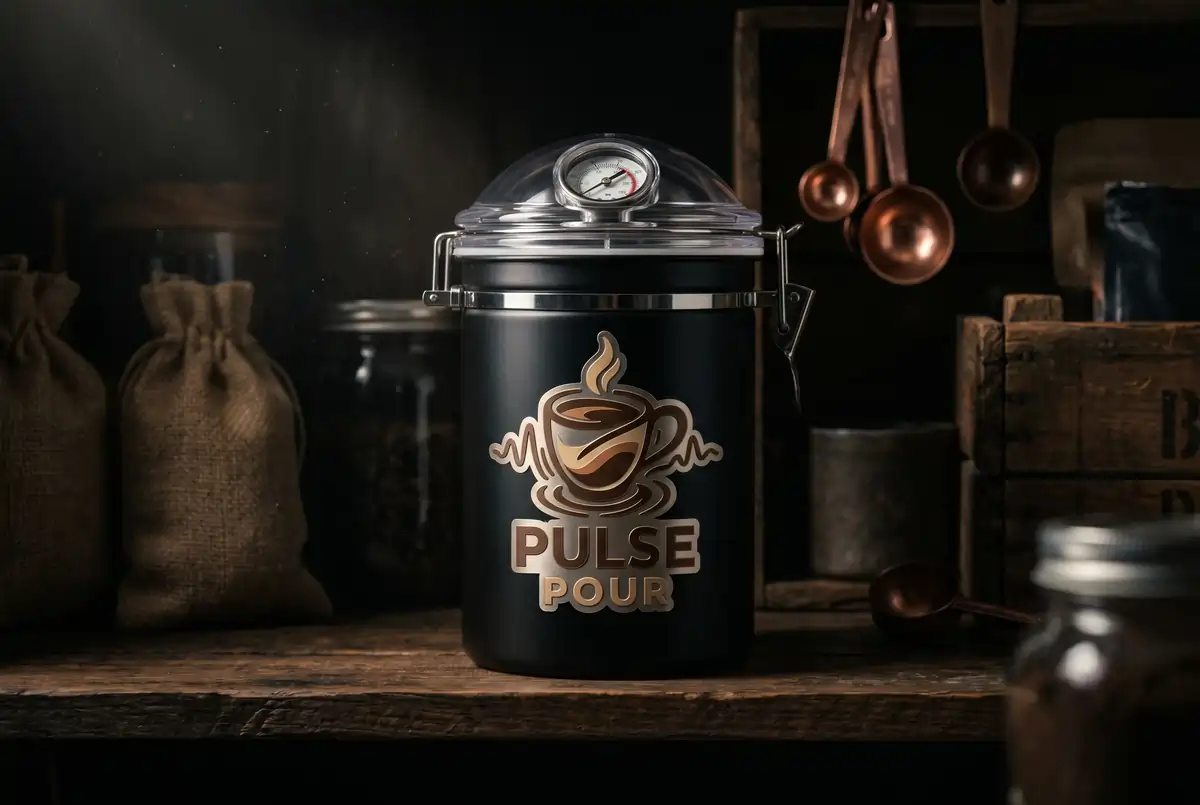
The best containers keep out both air and moisture. Look for one that seals tightly every time you open and close it. Some even have valves that let excess gas out without letting air in, which helps your beans stay fresh longer.
Store coffee in a cool, dark place
Direct sunlight and kitchen heat are big flavor killers. A dedicated shelf in a dark cupboard or pantry is usually perfect. Just make sure the area isn’t too close to the stove, oven, or dishwasher; those spots get warmer than you’d expect.
Why your pantry is usually better than your counter-top
Counter-tops look tidy with a coffee canister front and center, but sunlight and temperature swings can wreck the beans fast. Pantries and enclosed cupboards offer steady temperatures and protect beans from light, which means better tasting coffee every time you brew.
Should you keep coffee in its original bag?
Most specialty roasters pack beans in high quality bags with built in valves, so leaving them in the bag and putting that inside a sealed container works pretty well. As long as the bag seals completely and isn’t cheap paper, you’re good to go. Just try to squeeze out excess air after each use.
Should You Refrigerate Or Freeze Coffee Beans?
Cold storage sometimes gets recommended, but it can do more harm than good if not done right. Here’s what actually works for long term coffee preservation.
Why refrigerators usually hurt coffee freshness
Refrigerators are full of moisture and odors just waiting to latch onto your beans. Beans act a bit like sponges and can pick up scents from onions or cheese stored nearby. Also, constant temperature changes from opening and closing the fridge make condensation form on the beans.
When freezing coffee beans can actually help
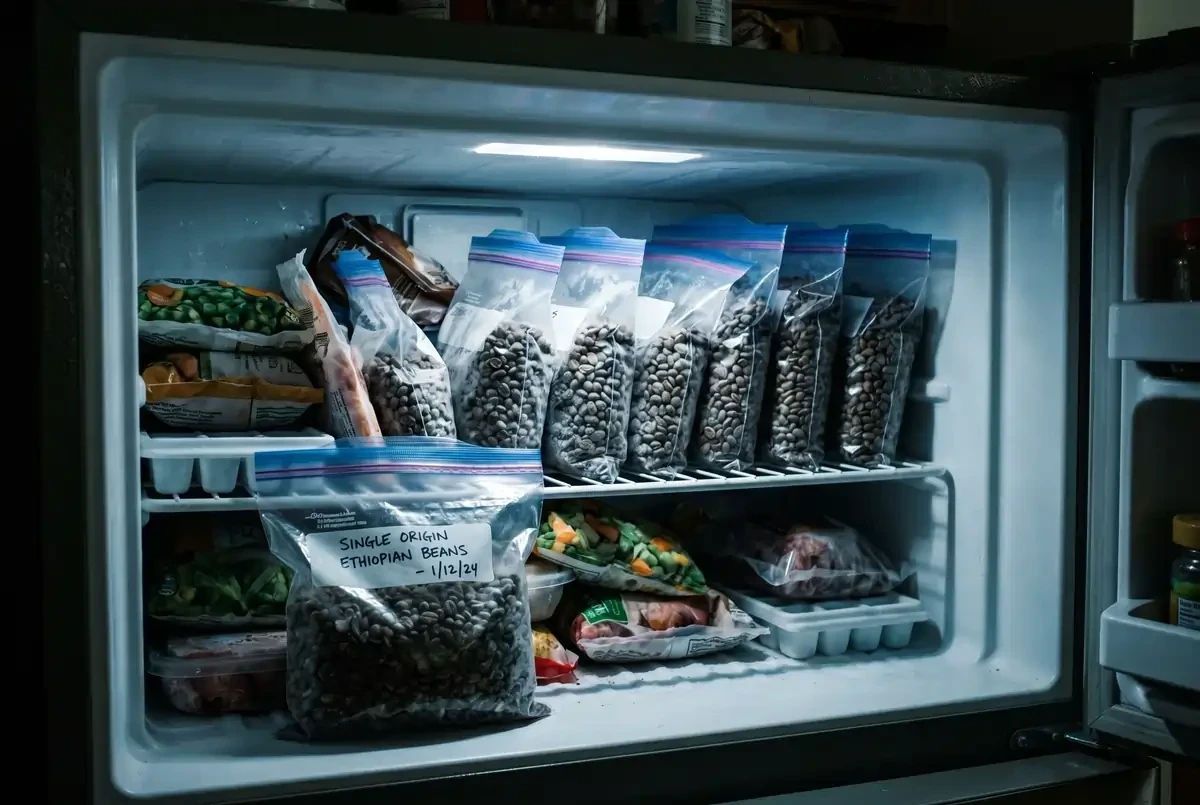
If you have a lot of coffee and know it’ll take weeks or months to use, freezing can actually slow down aging. The trick is to split your beans into small portions and keep them tightly sealed to keep out both air and moisture. Only open each portion when you’re ready to brew that week.
How to freeze coffee beans properly without ruining flavor
Use airtight, freezer safe bags or containers. Squeeze out as much air as you can and only defrost what you can finish in a few days. Don’t keep refreezing and thawing the same beans; that messes up the texture and flavor.
The biggest freezer storage mistakes to avoid
Avoid opening a big frozen bag again and again, since this causes the beans to soak up moisture and odors. Never store beans in a thin bag that lets air or frost in. Thaw beans at room temperature in a sealed bag to prevent condensation on the surface.
How Long Coffee Beans Stay Fresh
Coffee beans have a window where their flavor is at its absolute best. It’s way wider for whole beans than for ground coffee, and freshness depends on a few factors. For those who jump into different brewing methods, understanding this can help make every cup a winner.
Just like coffee bean freshness matters, Grind size matters too. Check out The Best Grind Size For Pour Over Coffee to hone in on your ideal cup.
Whole beans vs preground coffee freshness
Whole beans stay fresh about two to four weeks past roasting, sometimes longer if stored well. Preground coffee only lasts a few days at peak flavor, losing its punch quickly. That’s why grinding just before brewing is so worth the effort.
How roast date affects flavor quality
The roast date on your coffee bag tells you when the beans left the roaster. Always try to buy within a week or two of that date for best taste. Coffee usually starts to lose its complexity after a month, especially if the bag’s been opened a lot.
When coffee beans are at their peak for pour over brewing
Most light to medium roasts hit their sweet spot around three days to two weeks after roasting. Too fresh and the beans can taste grassy; too old and you lose the highlights. Check your roaster’s notes, as darker roasts might peak a bit earlier.
Common Coffee Storage Mistakes That Ruin Flavor
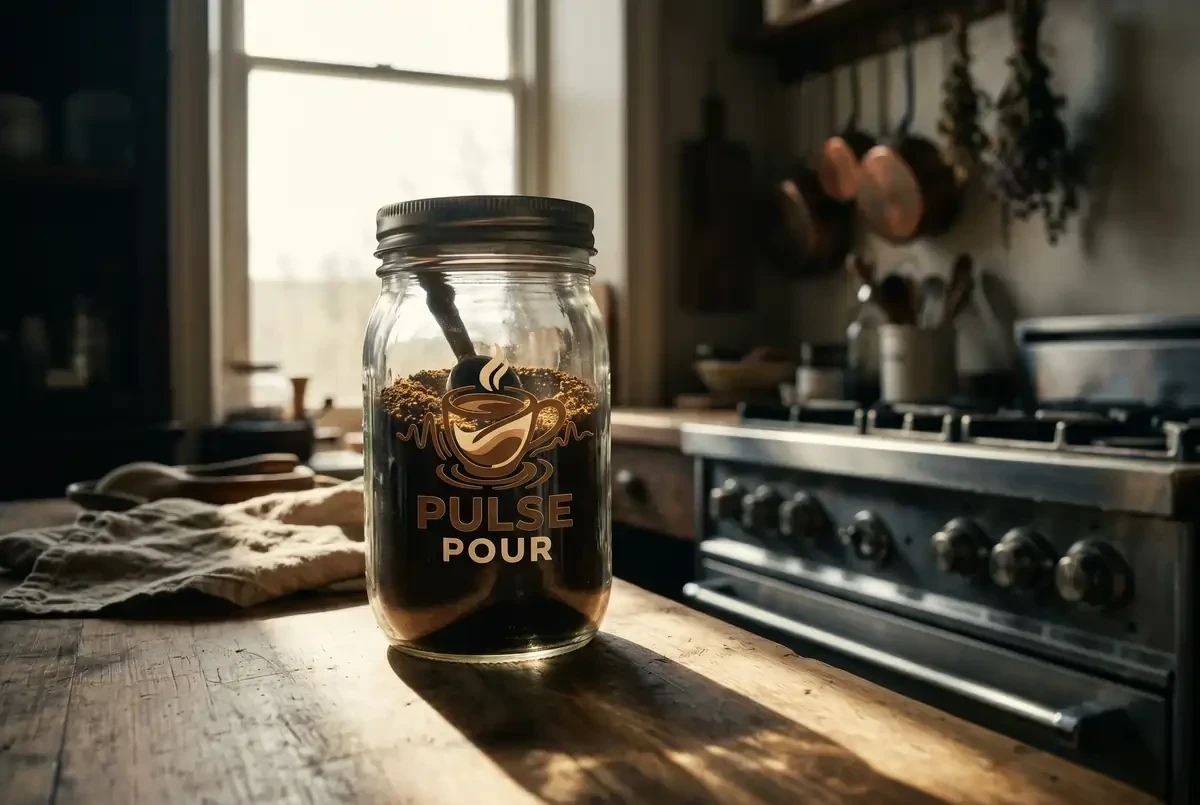
I’ve seen (and made) plenty of mistakes when learning how to keep coffee fresh. Some habits are easy to fix and can totally change how your cup tastes.
Leaving coffee exposed to air too often
Every time the bag or container is opened, a fresh hit of oxygen starts the oxidation process. Scoop out what you need quickly, reseal the package well, and avoid leaving it out while making breakfast or chatting with friends.
Buying more coffee than you can realistically use
That bulk deal looks great, but unless you’re going through a bag every few days, you’re probably drinking stale coffee by the end. Smaller, more frequent purchases mean better flavor from start to finish.
Storing coffee near heat or sunlight
Coffee stored by the stove, oven, or sunny windowsill loses quality quickly. Any area that changes temperature regularly isn’t doing your beans any favors.
Grinding coffee too far ahead of brewing
Grinding beans releases tons of aroma and flavor compounds, which immediately react with air and start to disappear. Grinding in big batches to save time just means most cups will taste flat by the time you actually brew them.
Best Coffee Storage Containers For Pour over Coffee
A good container makes a difference and keeps things easy. There are plenty of options out there, but a few features are super important for pour over fans.
What to look for in a coffee storage container
Go for something airtight and opaque (not glass, unless you keep it in a dark spot). Food safe materials like stainless steel or thick BPA-free plastic won’t affect the coffee’s flavor or let in odors. The lid should feel secure and close tightly every time.
Are vacuum-sealed containers worth it?
Vacuum-sealed containers suck out the air as you close them, slowing down the staling process. They cost more than regular containers but can keep beans fresher if you’re especially picky or often buy pricier specialty roasts.
Simple storage options beginners can start with
Early on, I used heavy-duty Zip-lock bags inside old kitchen canisters. Not fancy, but it works surprisingly well. If you’re just getting started, a quality resealable bag within a cookie tin or even a mason jar in a dark cabinet is usually enough.
Tips For Keeping Coffee Fresher Longer
These routines fit into everyday life and give your beans the best chance at staying delicious each morning. To truly bring out next-level cool flavors in every sip, mastering storage brings daily rewards.
Buy smaller amounts of coffee more often
Instead of big bags, pick up just what you need for the next week or two. Fresh beans make every cup stand out and encourage you to try different roasts.
Use fresh roasted coffee whenever possible
Check for the roast date and aim to buy beans roasted just a few days before. Local coffee shops often have the freshest options around and are happy to share tips on great storage.
Why grinding right before brewing makes a difference
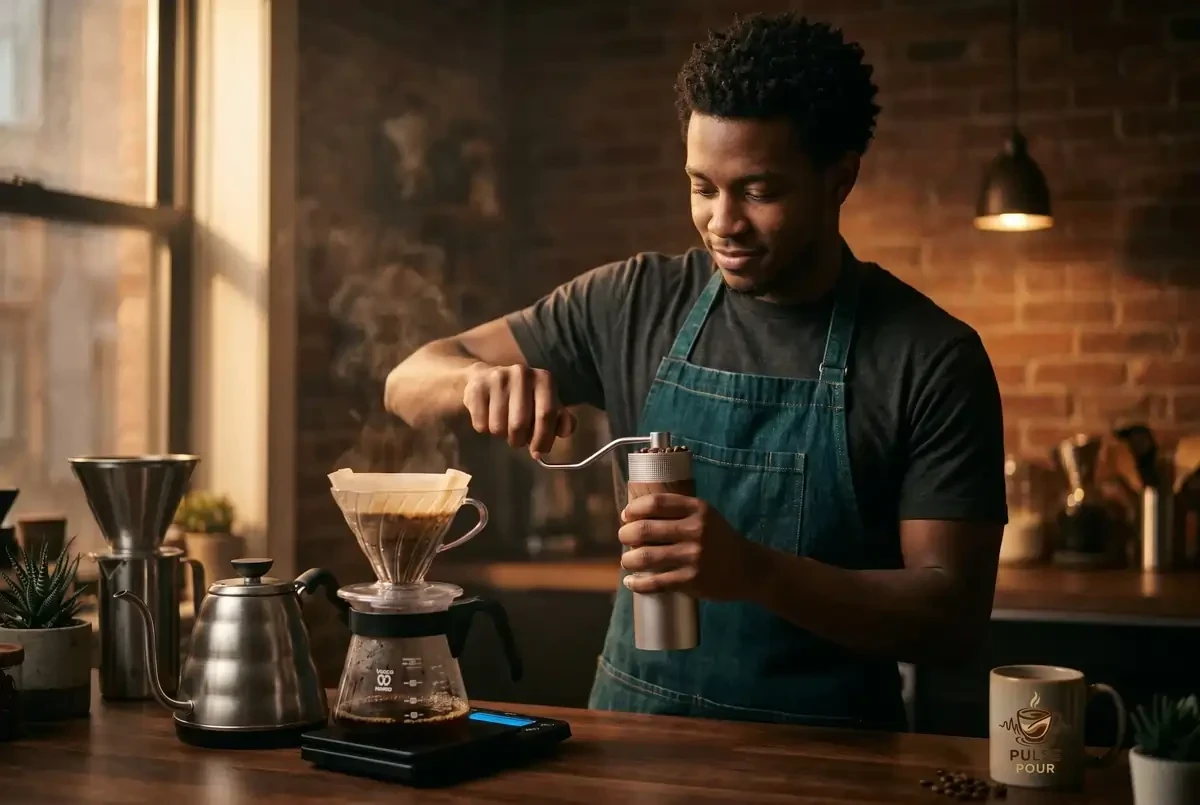
The aroma released by grinding is most powerful within minutes. Waiting even a half-hour makes a noticeable difference, so treat yourself to the freshest possible flavor by grinding just before each brew.
Unsure how to maximize your beans for pour over? Check out How To Grind Coffee Beans For Pour Over so you can avoid these 5 common mistakes.
Create a simple freshness routine for better consistency
Find a storage spot that’s cool, dark, and easy to remember. Use airtight containers and always close the lid right away. Rotate your stock so you use older beans before opening a fresh batch, and check for changes in aroma or flavor to know when beans are past their prime.
Final Thoughts On Storing Coffee Beans Properly
Nailing down your coffee storage routine takes your morning ritual up a notch. Paying attention to light, air, and temperature sets your brew up for success, even before you touch the kettle.
Fresh coffee starts before brewing even begins
The freshest, liveliest coffee always starts with good habits before the water ever hits the grinds. Each little tweak to your routine can mean a noticeably better cup every single time.
Small storage changes can noticeably improve flavor
Something as easy as switching to an airtight container or finding a better storage spot keeps you enjoying those complex, delicious flavors for longer. It’s a change you’ll taste immediately.
Consistency and freshness go hand-in-hand for better pour over coffee
The more consistent your storage, the more consistent your cup. If you want that perfect pour over experience each time, putting a tiny bit of extra effort into how you store your beans is well worth it.
As always, you can check the Specialty Coffee Association for more tips on standards.