
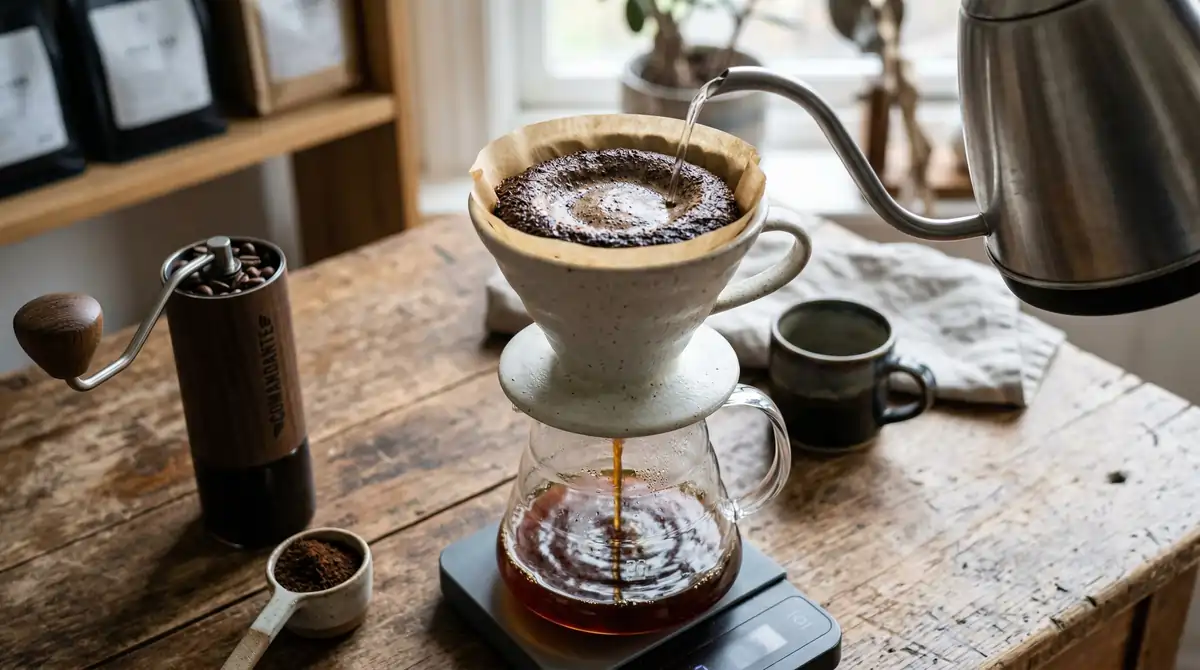
Pour over coffee can taste absolutely amazing when everything goes right. It’s my go-to for a morning ritual with a little extra Zen. But every now and then, a cup hits that sour note that leaves me making a face. If you’ve ever found your pour over tasting more puckering than pleasant, you’re not alone. I’m breaking down exactly why your pour over coffee might taste sour and how you can dial in your brewing game for a smoother, balanced cup every time.
Why Your Pour Over Coffee Tastes Sour
What sour coffee usually means in pour over brewing
Sour flavors in pour over coffee often come from under extraction. That’s a fancy way of saying the good stuff wasn’t pulled from your coffee grounds. Instead of that sweet, balanced profile, you end up with something that feels like it’s missing the backbone. Bright, sharp, and tangy notes overpower everything else. If your first sip tastes almost like biting into a lemon rind instead of a rich chocolate bar, you’re probably dealing with some brewing issues.
The difference between sour, bitter, and acidic coffee
It’s easy to mix up sourness, bitterness, and acidity, so here’s a quick rundown. Acidity in coffee can be super tasty. It brings fruity, lively notes that keep your cup from feeling flat. Sourness shows up as an almost unripe or tart flavor, and it doesn’t play nice with your taste buds. Bitterness is the dark, biting flavor you’ll catch in over-brewed or burnt coffee. So, a little acidity = great, a sour punch = not so great, bitterness = usually a sign of overdoing the brew.
Why under extraction is often the real problem
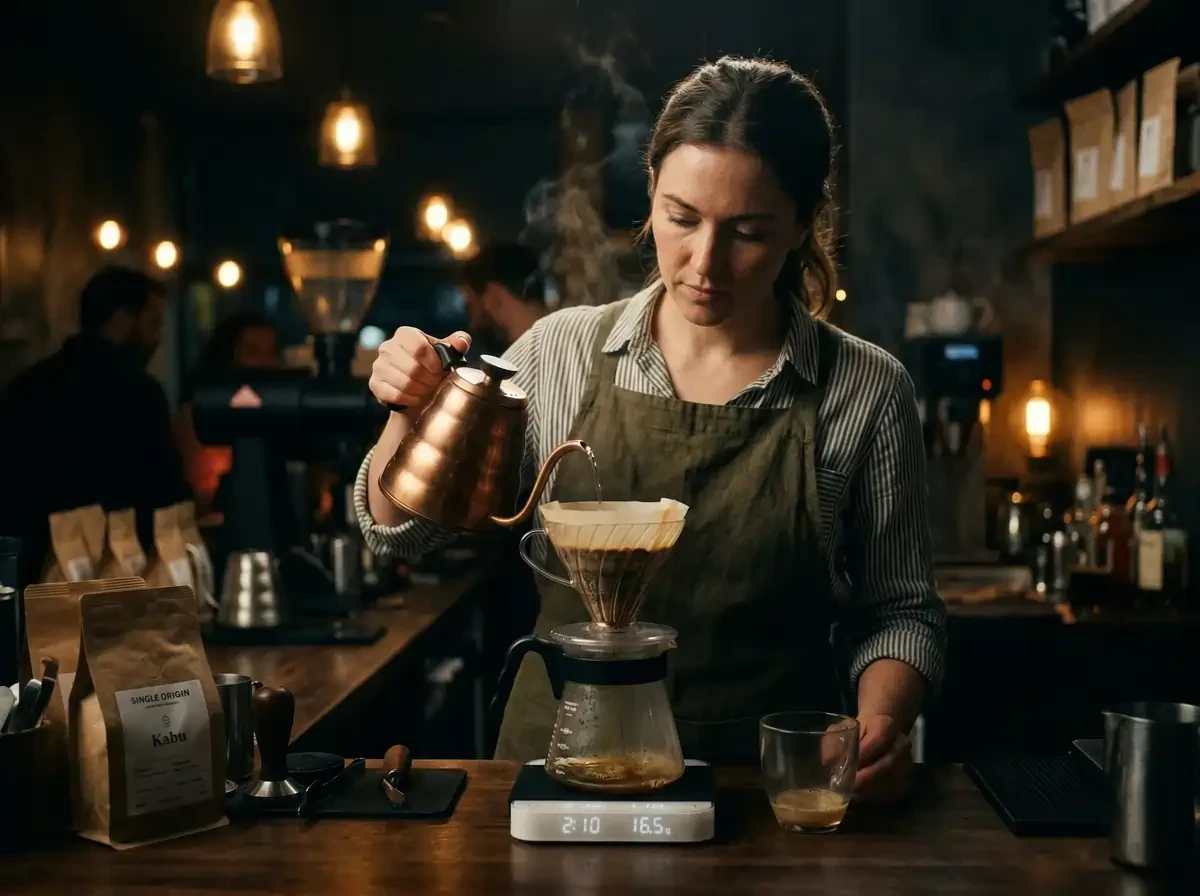
Sour pour over coffee usually points to under extraction. Only the quickest, most soluble flavors—think acids and light fruitiness—are coming out of the grounds. The deeper, sweeter, chocolatey notes stay trapped. You’re left with a cup that’s all sharpness and no roundness. A few small tweaks in your process can usually bring your pour over into balanced territory fast.
The Most Common Reasons Pour Over Coffee Turns Sour
Grind size is too coarse for proper extraction
If you go too coarse on your ground coffee, water races through the bed and doesn’t have time to bring out all those nice sugars and complex flavors. You’ll get a quick, sour cup instead of the deeper, softened notes you want. I’ve run into this a lot when I first started with pour over and didn’t pay enough attention to the grind.
Discover how to grind coffee beans for pour over here.
Your water temperature is too low
Water that’s not quite hot enough also leaves extraction stalled. When you brew below the sweet spot (usually around 195°F to 205°F), acids and lighter flavors come out first. If the water isn’t hot enough to keep pulling out the good stuff, sourness wins every time. I used to think cooler water would preserve delicate notes, but most of the time it just left my coffee sharp and watery.
Learn more about how water temperature affects your pour over
Brew time is too short
Speeding through the brew almost always leads to a short, sour cup. Pour over coffee shines in the 2.5 to 4 minute window, depending on your dripper and grind. Rushing the process skips those sweet and mellow compounds, so make sure you’re not just pouring water and calling it a day.
Click the link for more info on brew time for pour over
Your coffee to water ratio is off
Getting a balanced cup means matching your coffee dose to how much water you pour. If you use too little coffee for the amount of water, your extraction will fall short, and your cup turns out thin and sour. Stick to a basic ratio—like 1:16, or 1 gram of coffee per 16 grams of water—as your base, then adjust to your personal taste.
Gain an in depth view on coffee to water ratio for pour over
Uneven pouring is causing weak extraction
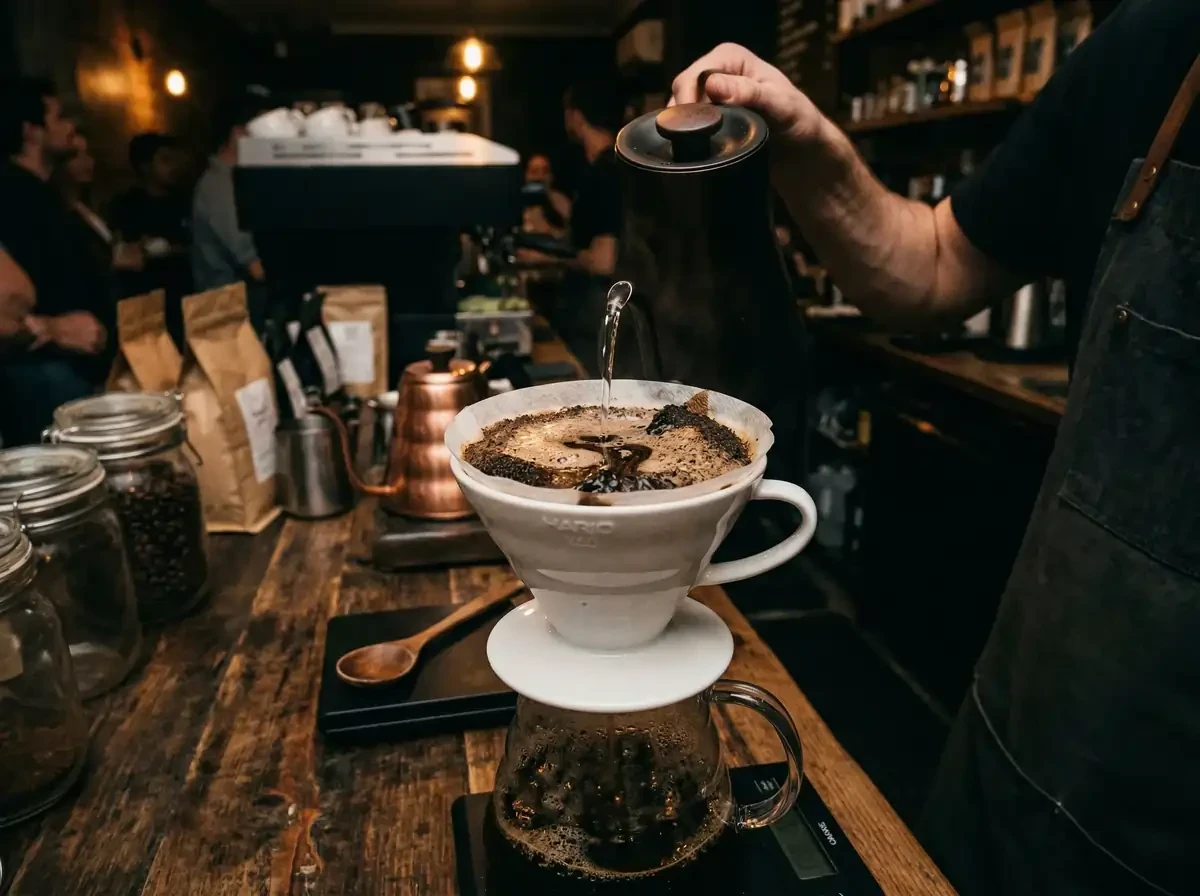
Uneven, quick, or careless pouring can leave dry spots, channeling, and inconsistent extraction in your pour over. Sometimes I’d hurry or zone out, and then wonder why my coffee tasted patchy and sharp. Pouring with a steady hand and covering all grounds improves saturation and gives you a more even extraction.
Freshness and roast level can affect flavor balance
Old coffee beans or roasts lighter than you’re used to can taste sour, too. Light roasts are more prone to sour notes unless brewed with extra care. On the flip side, stale beans lose sweetness and richness, so the sharper flavors take over. Using fresh beans and adjusting your brew for lighter roasts can help dodge this problem.
How Grind Size Affects Sour Pour Over Coffee
Why a coarse grind can lead to under extracted coffee
Going too coarse with your grind means big chunks of coffee. When hot water hits these, it races by, missing a lot of the flavors packed inside. This is classic under extraction: you mostly get acidic, quick-release flavors, and the result feels hollow and tangy instead of sweet or full. I learned quickly that dialing in grind size is a secret weapon for fixing sour pour over.
How to adjust your coffee grind size for better flavor
Switching to a slightly finer grind will slow down water flow and give it more contact with your coffee, letting all the good stuff come out. You don’t want it powdery, but go a notch finer and see how your cup changes. If the brew gets sweeter and rounder, that’s a sign you’re heading in the right direction.
Signs your pour over grind size needs changing
If your cup tastes sour, thin, or finishes in under 2 minutes, check your grind—it’s probably too coarse. On the other hand, if the coffee turns sludgy or bitter, you may have gone too fine. Hitting that perfect level usually comes from a few rounds of trial and error, but once you get there, it’s worth it.
Why Water Temperature Matters In Pour Over Coffee
The best water temperature for pour over coffee
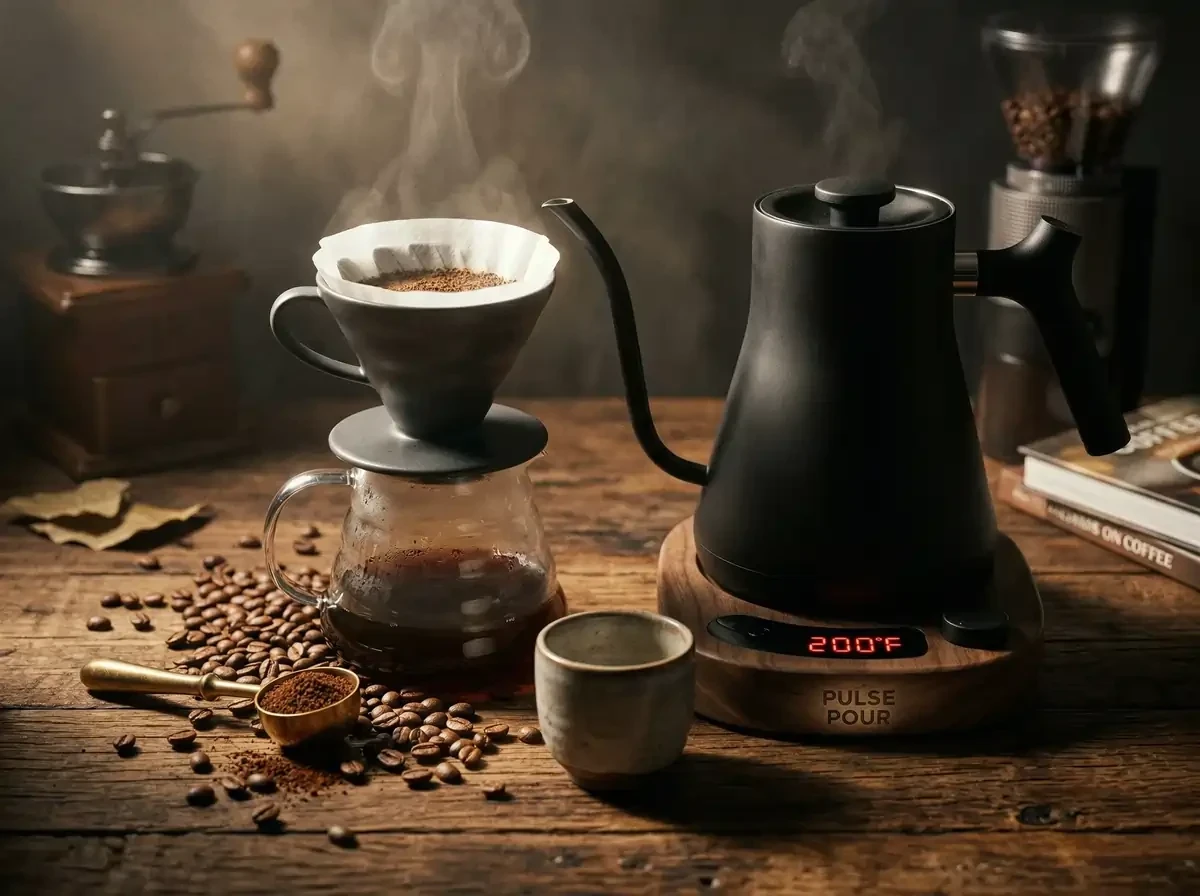
Pour over really shines with water somewhere between 195°F and 205°F (90°C to 96°C). I tend to stick right around 200°F because it’s hot enough to get sweet, balanced extraction but not so hot it brings out weird flavors. If you don’t have a kettle with a thermometer, bring water to a boil, wait about 30 seconds off heat, then pour.
How cooler water can make coffee taste sour
Water under 195°F doesn’t have the punch to draw out sugars and those rounded flavors; it’ll leave you with mostly the tart stuff. Using water that’s not hot enough is one of the top reasons I see for consistently sour pour over, especially if everything else seems dialed.
When to raise temperature for light roast coffee
Lighter roasts can be a little stubborn about giving up their sugars. I go with water on the higher end—up to about 205°F—for light roasts to help speed up and deepen extraction. It makes all the difference if you’re chasing a cup that still keeps lots of brightness but isn’t mouth-puckering sour.
How Brew Time Changes The Taste Of Pour Over Coffee
Why a fast brew can leave your coffee tasting weak and sour
Too short a brew time, like under 2 minutes, just leaves your coffee tasting like thin lemonade. Only the fast-dissolving acids make it into the cup, while all the deeper complexity gets left behind. Even pouring too quickly or letting the water shoot through the grounds in a rush can cause this.
Ideal pour over coffee brew time for balanced extraction
Most pour over recipes aim for 2.5 to 4 minutes from first pour to last drip. My sweet spot is usually between 3:15 and 3:45 depending on the beans and grind. This window almost always leads to a cup that’s layered, smooth, and not a hint of that green, mouth-puckering tang.
How to slow down extraction without overcorrecting
If your pours are rushing through, you can adjust your grind finer, pour slower, or use pulse pours instead of dumping all at once. You don’t want a glacial drip either. Going too slow can swing you into bitter land, so aim for a steady and consistent flow that keeps brew time in the zone.
How To Fix Sour Pour Over Coffee Step By Step
Adjust to a slightly finer grind
If I notice my cup is sour, my first move is always to grind the coffee a little finer. Just go one click or step finer on your grinder, brew again, and taste. Usually that alone brings out way more sweetness and body.
Use hotter water for better extraction
Try cranking your water temp up closer to 205°F. If you’re not using a variable temp kettle, just let the water cool off briefly after boiling and pour right away to keep it hot. Hotter water makes it easier to pull out sweet notes from stubborn light roasts, too.
Check your pour over coffee ratio
Double-check your scale and make sure you’re using enough coffee for how much water you’re pouring. If the cup is weak and sour, try adding a little more coffee and see if that balances things out.
Improve your pouring technique for even saturation
Fixing your pour can turn a sour cup around. Pour in slow, steady circles and make sure you hit all the grounds evenly with water. If some grounds are left dry, you’ll get sour, inconsistent results. Even saturation really matters for the final cup.
Extend brew time just enough to balance the cup
If your process feels rushed, add a bit more time. Either slow your pour just a little or tweak the grind size. Staying in that 2.5 to 4 minute target does wonders for drawing out complexity, taming sourness, and avoiding bitterness. Sometimes slowing down a bit makes the sweet and mellow notes shine.
How Different Beans Can Change Sourness In The Cup
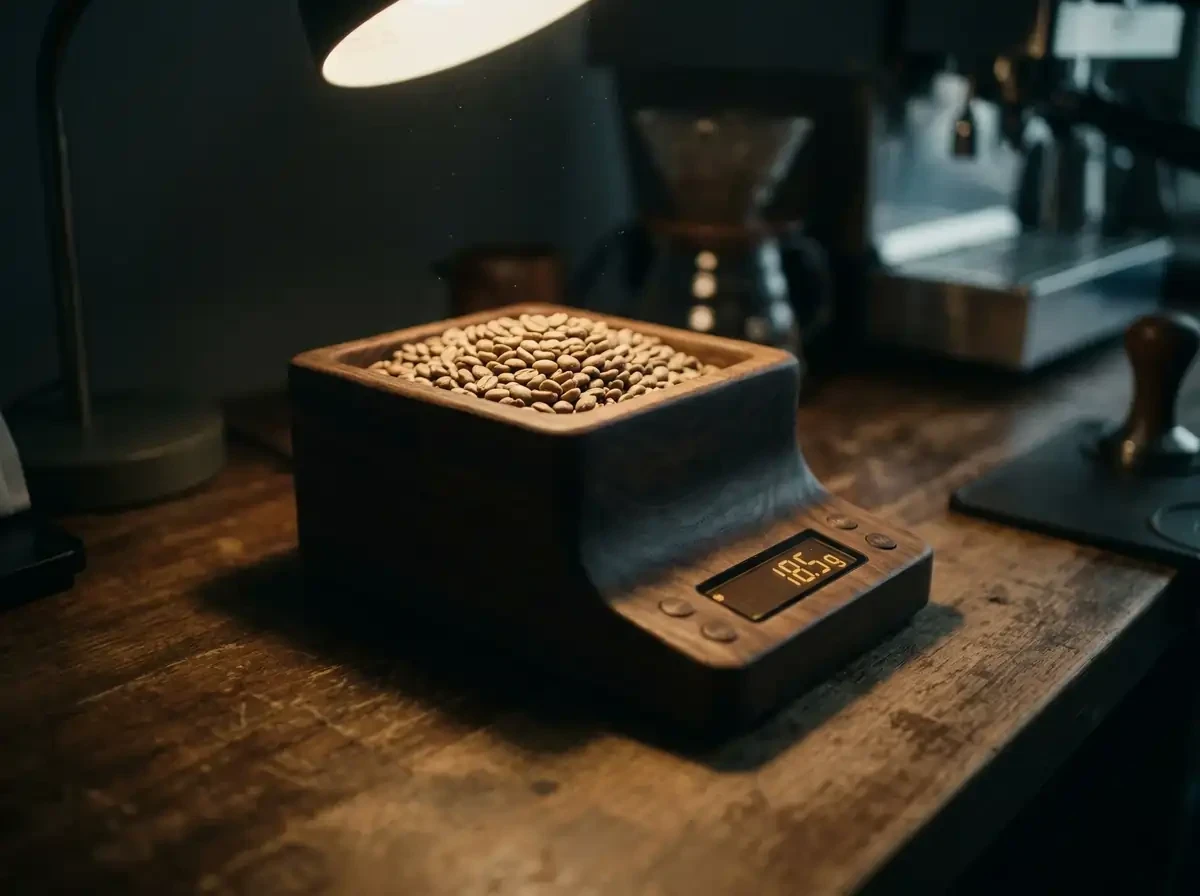
Why light roast pour over coffee can taste brighter
It’s super common for light roast coffees to taste sharp or even sour if you’re new to them or using the same brew method from darker roasts. Light roasts keep more of their natural acidity, which can be awesome when brewed right but seems off if extraction falls short. Just remember, brighter flavors are part of the package with these beans, and with the correct techniques, you can play up their juicy, vibrant side instead of letting sourness take over.
When fruity acidity is normal and not a brewing mistake
Some coffees are meant to taste bright and juicy, especially from certain origins, like Ethiopian or Kenyan beans. If the sourness feels more like zesty citrus or berries and isn’t harsh or biting, that’s usually a sign the coffee is showing off its natural profile. Not a brewing problem, but rather an invitation to enjoy the wild side of specialty coffee. Learning to tell the difference between lively acidity and off-putting sourness is key to enjoying a wider range of beans.
How bean origin and processing affect coffee flavor
Coffees from high-altitude farms or washed processing methods often have livelier acidity. It’s worth checking the notes on your bag and experimenting with your brew method to play up or tone down these flavors. I switch up my technique based on the bean’s origin and always get different results. Sometimes bright and clean, sometimes mellow and round, all based on how I tweak the grind, temperature, and pour. The differences can be subtle, but they’re worth chasing.
Sour Pour Over Coffee Mistakes To Avoid
Changing too many brew variables at once
A big mistake I made early on was tweaking everything at once: grind, temp, ratio. Then not knowing what fixed (or ruined) my cup! Make one change at a time, so you know what actually made the difference in flavor. Even tiny shifts can make your coffee go from pucker to perfect.
Visit the link if you want to achieve your perfect cup of pour over.
Ignoring bloom time and coffee bed saturation
Skipping the bloom—the first gentle pour to let gases escape—or pouring water unevenly can wreck extraction. Take 30 to 45 seconds to bloom, use double your coffee’s weight in water, and make sure the grounds all get soaked up front. It’s a quick step that helps prevent that sharp, underdeveloped taste.
Using inconsistent water flow during the pour
Pouring too fast, then stopping, then dumping the rest creates uneven extraction. A steady, controlled pour helps water pull flavors at a consistent rate, avoiding sudden spikes in sour, bitter, or bland flavors. Not only will you get better flavor, but your coffee will have more body and a smoother finish.
Forgetting to track brew adjustments
Write down your recipe changes. You can use your phone notes or a notebook for grind size, dose, water temps, and timings. Alternatively, you can download my free Flavor Wheel and Tasting Journal. If you get the best-tasting cup of your life, you’ll want to repeat it without guessing. It also keeps you from falling into the same sour trap next time. Even noting small tweaks will help you master your routine.
A Simple Troubleshooting Guide For Sour Pour Over Coffee
If your coffee tastes sharp and thin
Go finer on the grind and raise your water temp. You’re almost always running too coarse or too cool. Try extending brew time by slowing pour speed, and you’ll probably notice a fuller, more balanced cup. Remember it’s often about small, gradual changes—not big leaps.
If your coffee tastes sour and weak
Double-check your coffee ratio and grind. Add a little more ground coffee and make your grind just a tad finer. Try for a slower extraction window. Sometimes uneven pouring or skipping bloom can also cause weak, sour cups. Every extra bit of attention can help shift a sour cup toward balanced perfection.
If your coffee tastes bright but still balanced
This is often a sign your beans are showing their best side, especially if you’re using a light roast from a fruity origin. If it’s enjoyable and not harsh, you’ve probably nailed the extraction. Enjoy those tangy, lively notes that highlight the unique spark in your coffee!
Keep in mind you don’t have to stick with just one method of pour over, here are a few more popular pour over methods
How To Brew A Smoother, More Balanced Pour Over Coffee
Start with better brewing consistency
Consistency is my number one tip for getting great pour over every time. Use a scale, thermometer, timer, and the same grind setting when you’re dialing things in. Making small, specific changes gives you a baseline, so you can know exactly what affects sourness and sweetness in your cup—helping you build a personal method that actually works.
Make small adjustments one variable at a time
If you want sweeter, rounder coffee, don’t change the grind, water temp, and ratio all at once. Change your grind just a touch or raise the water temp by a few degrees. Giving yourself space to notice what changes keeps improvements steady and repeatable.
Use a brew journal to repeat better results
Even if you’re not into old school notebooks, keeping a simple log of your recipes helps a ton. Jot down what you try, what works, and what falls flat. Over a few weeks, you’ll have your ideal pour over style mapped out. This means way fewer sour experiments and way more delicious mornings.
Logging your process is the easiest way to turn average coffee into the best part of your day.
Continue Learning
Perfecting Pour Over
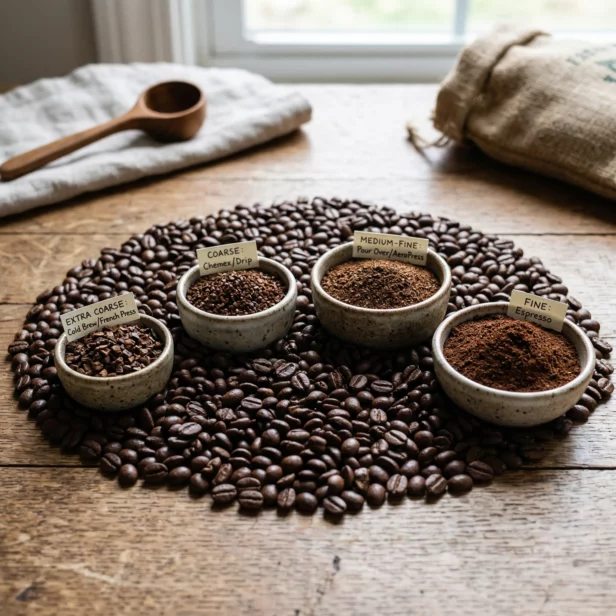
Want to perfect your pour over coffee? It may seem simple, but there’s a lot that can go wrong on your path to perfection. Try this instead.
10 Pour Over Mistakes
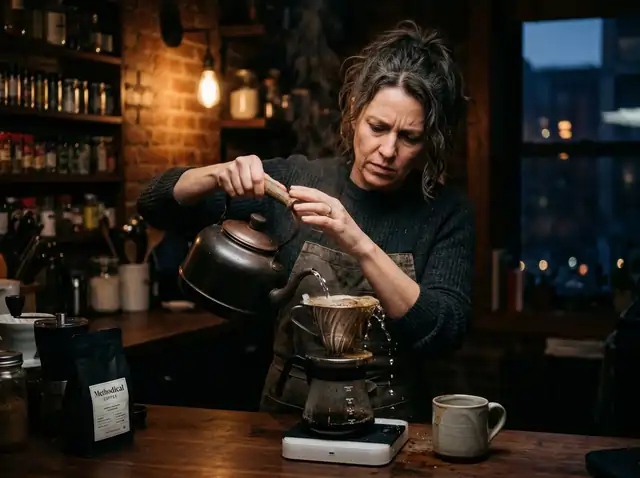
Is your pour over sour or overly bitter? You’re likely making one or more of these 10 pour over coffee brewing mistakes. Here’s how to fix them.