
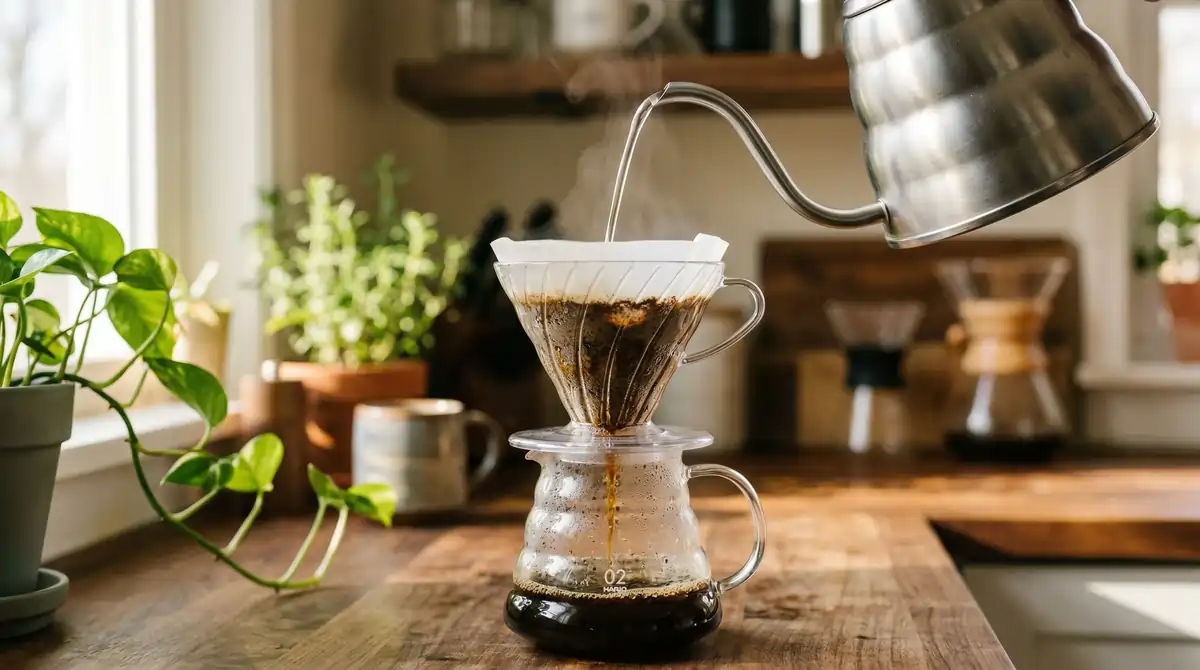
Pour over coffee can be one of the most rewarding brewing methods out there. I love its hands-on vibe and the way it lets me tweak every variable until I dial in the perfect cup. But sometimes, despite the best effort, the final result just tastes weak—thin, watery, or lacking that depth you expect.
That’s a common experience for home brewers, and fixing it is easier than you might think. I’m going to break down why pour over coffee tastes weak and walk through how to make pour over coffee stronger with simple brewing changes.
Why Does Pour Over Coffee Taste Weak?
What weak coffee actually tastes like
When I’ve had a weak cup of pour over, it usually feels watery and bland. The flavors are muted, almost as if someone added too much water or forgot to put enough coffee in the filter. The aroma tends to disappear quickly, leaving only a faint memory of the beans’ real personality. Weak pour over coffee sometimes reminds me of coffee-flavored water, which isn’t anyone’s goal when brewing at home.
Weak coffee vs under-extracted coffee
It’s easy to mix up weak coffee and under-extracted coffee, but they aren’t exactly the same. Weak coffee happens when the concentration is too low, meaning not enough coffee particles end up in your cup, mostly because of the coffee to water ratio or grind size. Under-extracted coffee, on the other hand, has a sharp or sour taste. It’s not just watery; it’s missing deeper flavors because the water didn’t spend enough time pulling them out of the grounds. Both problems can overlap, but the fix will depend on which one you’re tasting.
Why pour over coffee can taste thin or watery
Pour over, compared to espresso or French press, naturally makes a lighter bodied cup. But that doesn’t mean it should taste like flavored hot water. Some possible reasons for that thin feeling include using too little ground coffee, grinding too coarse, or pouring water too quickly. Sometimes, a quick brew leaves behind the sweetness and rich flavors that make pour over so unique. Dialing in a stronger cup is just a matter of looking at what’s going on with your method.
Also, the quality of water can affect the outcome: if your tap water is overly hard or overly soft, it might mute the flavors. Experimenting with filtered or bottled water could be the unexpected boost your method needs. Another overlooked factor is the cleanliness of your equipment. Old coffee oils or residue can interfere with your current brew, dulling the flavors and contributing to an overall weak result. Make cleaning all your pour over gear part of your routine.
The Most Common Reasons Your Pour Over Coffee Tastes Weak
You are using too little coffee
The most common reason your pour over coffee tastes weak is a low coffee to water ratio. If you’re eyeballing your scoops or not weighing your coffee and water, it’s easy to under-dose. Coffee recipes usually recommend about 1:15 to 1:17 ratio by weight (for example, 20 grams coffee to 300 grams water). Using less coffee will dilute the brew too much, and the flavors never get a chance to shine.
Your grind size is too coarse
Grind size is one of those details that can make or break your brew. A grind that’s too coarse means the water passes through the grounds very quickly, giving less time for extraction. Coarse grinds work well for French press, but for pour over, a medium to medium-fine grind lets the water pick up all those tasty flavors. If your grind is too coarse, you’re left with a flat, watery cup.
Your brew time is too short
Brew time matters a lot. Most pour over recipes call for about 2.5 to 4 minutes from the first pour to the last drip. If your coffee finishes dripping through in 90 seconds, you’re simply not giving the water enough time to extract everything from the grounds. The result usually tastes weak and lacks complexity.
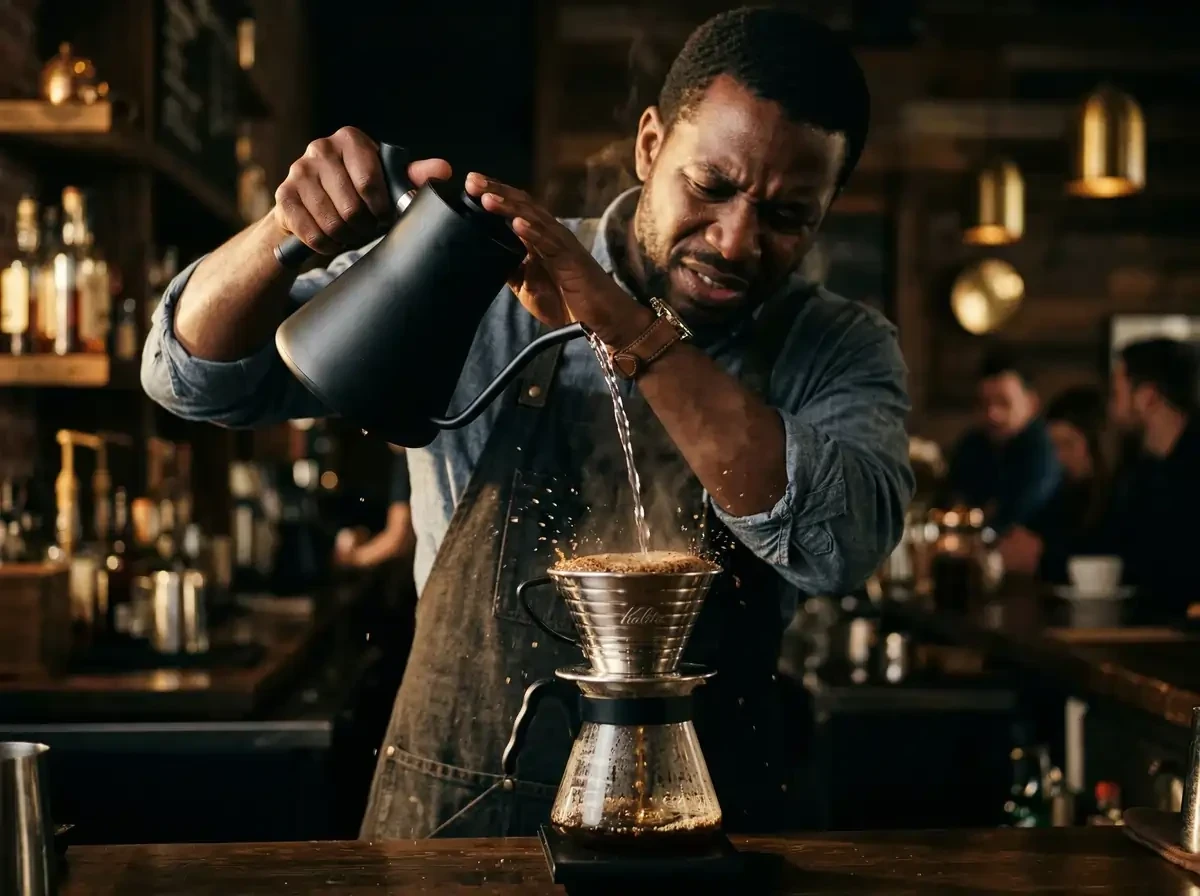
Your water is flowing through too quickly
If you pour too aggressively or if your filter setup allows the water to run through without contacting all the grounds, that quick flow means low extraction. You might also see water channels forming in the bed of coffee, which lets some parts get saturated while others barely get wet. Even flow and gentle pouring are important for balanced, flavorful coffee.
Your pour over technique is not extracting enough flavor
Pour over technique covers everything from bloom time, pour speed, and water distribution to agitation (little swirls or stirs). Skipping the bloom (the initial pour that degasses the coffee) or not pouring in slow spirals can lead to uneven extraction. If you dump water in the center or rush the process, the water can skip over some grounds, making for, yes, weak, one-note coffee.
Your beans may be too old
Freshness counts, especially for pour over fans who love picking out subtle notes in their brews. Coffee beans start to lose their vibrant flavors days or weeks after roasting. If your beans have been open too long or stored poorly, the result can be a bland, flat cup, even if you nail every step in your brewing process. Look for beans roasted within the last few weeks, stored in an airtight container, out of sunlight.
Another factor related to the beans: grind consistency can vary with older beans since they’re drier, causing the grinds to be uneven. This means some grounds over-extract while others under-extract, contributing to a weaker, inconsistent brew. For optimal results, always use fresh beans and grind right before brewing.
How Under-Extraction Can Make Pour Over Coffee Taste Weak
What under-extraction means in pour over brewing
Under-extracted coffee happens when the water doesn’t spend enough time drawing out all the good stuff from the grounds. In pour over brewing, that can be from a quick brew, too coarse grind, or pouring water down the sides too fast. Instead of a balanced cup, you end up with a thin drink that can also be sour or grassy. The result is coffee that not only tastes weak but also misses its full flavor profile.
How grind size, brew time, and ratio work together
These three factors, grind size, brew time, and coffee to water ratio, are like the holy trinity of pour over coffee.
- Grind size: Finer grounds mean slower water flow and more extraction. Too coarse speeds things up but leaves flavor behind.
- Brew time: More time usually means more flavor, but too much can lead to bitterness. Too little leaves things underwhelming.
- Ratio: Using enough coffee for your water amount gives the drink its body and strength. Skimping leaves it watery. Click the link to do a deeper dive into pour over ratio
If these three are in sync, your pour over will have the depth, aroma, and richness you’re looking for. If any one of them is off, weak or under-extracted brews pop up fast.
Signs your pour over coffee is under-extracted
I can usually spot under-extracted coffee by the taste: It’s sharp, sometimes sour, and nearly always missing that pleasant sweetness. The body feels really light, and if you let it cool, the sour notes just get stronger. Other signs include a fast brew time and wet, chunky coffee grounds left behind instead of an even, flat bed.
Visual clues help as well. If your used grounds look uneven or clumpy rather than a flat, uniform bed, it’s a hint of under extraction. Also, if your finished brew is unusually pale or lacks aroma, it’s time to adjust your method.
How To Make Weak Pour Over Coffee Stronger
Use more coffee in your ratio
This one is the quickest fix. Experiment with adding an extra gram or two to your normal dose or decreasing the water just a little. A 1:15 ratio (1 gram coffee for every 15 grams of water) is a good starting point if your brews have been tasting weak.
Grind slightly finer
If you’ve been using a store-bought pre-ground coffee or have your grinder set too coarse, dial it a notch finer. This slows down the brew, giving water more time to extract flavors and making the cup taste fuller. Be careful; too fine can cause over-extraction, which tastes bitter. Small changes are best until you find your sweet spot.
Extend your brew time
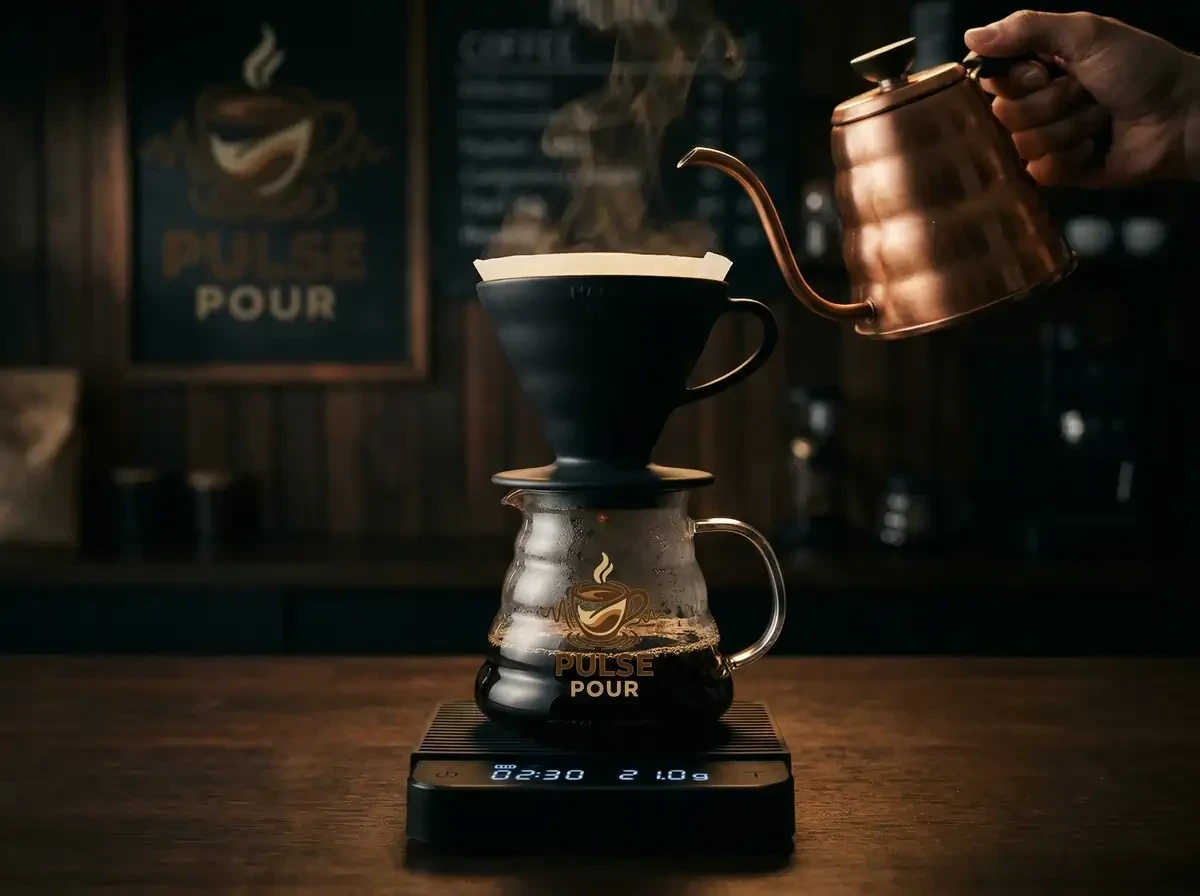
If coffee is dripping through in less than two minutes, consider slowing things down. Pour slower or in more stages, aiming for a total brew time in the 2.5 to 4-minute range. Checking your timer can help you stay consistent.
Pour more evenly for better saturation
Pouring water in slow, spiral motions helps cover all the grounds evenly. Try circling from the center outwards, making sure to catch the edges but avoiding pouring straight onto the filter. Even coverage helps all grounds give up their flavors, so you get a richer cup.
Make sure all the grounds are fully saturated
Barely wet coffee grounds can’t give you strong coffee. During the “bloom” stage (the first 30 to 45 seconds), pour enough water to wet all the grounds thoroughly. A spoon or little swirl can break up any stubborn dry pockets. After that, pour in slow increments so every bit of coffee contributes to the cup’s strength.
Start with fresher beans
If your beans are on the old side, get a new bag and compare the difference. Even standard supermarket beans, if opened recently, can make a much bolder, tastier cup than something that’s been sitting in the pantry for months. Go for beans from a local roaster when possible, and use them within two weeks of opening.
The roast date can be a game changer. If you haven’t paid much attention to this before, try marking your beans with their roast date and brew closer to that window next time. Monitor how the flavor changes with days after opening to find your ideal range.
What To Change First If Your Pour Over Coffee Tastes Weak
Start with your coffee to water ratio
Changing your ratio is the lowest-effort adjustment that can yield quick results. Use a kitchen scale to measure both coffee and water. If you’ve been using a tablespoon or guessing, a scale gives you repeatable results every time.
Check your grind size next
If the ratio seems right but coffee is still watery or flat, tweak your grind. Countertop burr grinders let you adjust easily. Try going a little finer and keep an eye on how that impacts brew time and strength.
Then look at brew time and pouring technique
Once ratio and grind are sorted, pay attention to how fast the water passes through and how evenly you’re pouring. Watching a few technique videos or using a gooseneck kettle can help improve your precision. If you don’t have a special kettle, pour slowly from whatever you have, aiming for control rather than speed.
Change only one variable at a time
Resist the urge to overhaul everything at once. Tweak one thing, taste the result, and take notes. This way, you know what actually improved your brew and can repeat it next time.
How To Brew A Stronger And More Flavorful Cup
Choose beans with a fuller flavor profile
If you’re after a bolder cup, try medium or dark roasted beans, or single origin coffees with naturally rich, chocolaty, or nutty notes. Lighter roasts can be delicate but sometimes aren’t what you want if you’re looking to dodge weak, thin flavors.
Keep your grind size consistent
Consistency matters more than you might think. Using a burr grinder instead of a blade grinder means every particle is the same size, leading to a more even extraction and a stronger, better-tasting cup. Consistent grind helps you dial in your recipe and repeat successes with each brew.
Use water at the right temperature
Water that’s too cool (under 195°F/90°C) won’t extract flavor fully, and your coffee will taste weak. Water that’s too hot (over 205°F/96°C) can pull out bitter notes. Aim for between 195°F and 205°F for pour over to get all the flavors you want without harshness.
Follow a repeatable pour over recipe
Using a tested recipe or coffee “blueprint” takes the guesswork out of brewing. There are loads of great pour over guides online (I recommend starting with the classic 1:15 to 1:17 ratio, medium grind, and a total brew time of around three minutes.) Consistency in method helps you notice what really makes your coffee taste better and keeps weak brews away.
If you want something simple to follow and easy to adjust, check out how to perfect your pour over coffee
Track your adjustments so you can repeat your best cup
I keep notes on each tweak—dose, grind, brew time, water temp. It’s a basic habit, but when you land on that magic cup, you’ll know exactly how to do it again. Having a coffee journal, even if it’s just a notepad, can be an excellent way to build your skills and quickly troubleshoot weaknesses in your brew.
Consider photographing your brewing setup or finished drink to help review techniques and maintain visual consistency (such as grind size and bloom appearance). Over time, you’ll spot subtle improvements and develop your own pour over style.
Weak Pour Over Coffee FAQ
Why does my pour over coffee taste watery?
Watery pour over coffee usually means you used too little coffee, your grind was too coarse, or the water poured through too quickly. Make sure you’re measuring coffee and water accurately, grind a bit finer, and slow down your pouring to fix this common problem. You can learn how to fix the 10 most common pour over problems here.
Does using more coffee make pour over coffee stronger?
Yes, using more ground coffee in the same amount of water will give you a stronger, more concentrated brew. Just bump the coffee up a gram or two at a time to avoid overdoing it or making your cup taste muddy.
Can grind size make coffee taste weak?
Absolutely; grind size is a major reason for weak pour over coffee. If it’s too coarse for your recipe, water rushes through without picking up enough flavors. Adjust to a finer grind and check the timing and taste of your next cup.
How do I make pour over coffee stronger without making it bitter?
Start by slightly increasing your coffee dose or adjusting your grind a little finer. Watch your total brew time, aiming for around three minutes. Also, make sure your water isn’t too hot. Small, slow changes help you find that sweet spot between strong and bitter.
Final Thoughts On Fixing Weak Pour Over Coffee
Small brewing changes can make a big difference
I’ve found that just small tweaks—an extra scoop, a tighter grind, a slower pour—can take a pour over from weak and dull to rich and flavorful. Measuring ingredients, being patient with each pour, and using fresh beans really pays off.
Strength and balance come from consistency
The best pour over coffee consistently nails the balance of strength, sweetness, and body. When you tweak one variable at a time and keep track of what works, you’ll spend less time fussing over each cup and more time enjoying what you brew. Whether you’re chasing bold flavors or a specific roast’s nuanced notes, staying consistent with your approach is the real secret to a not-so-weak cup every morning.