
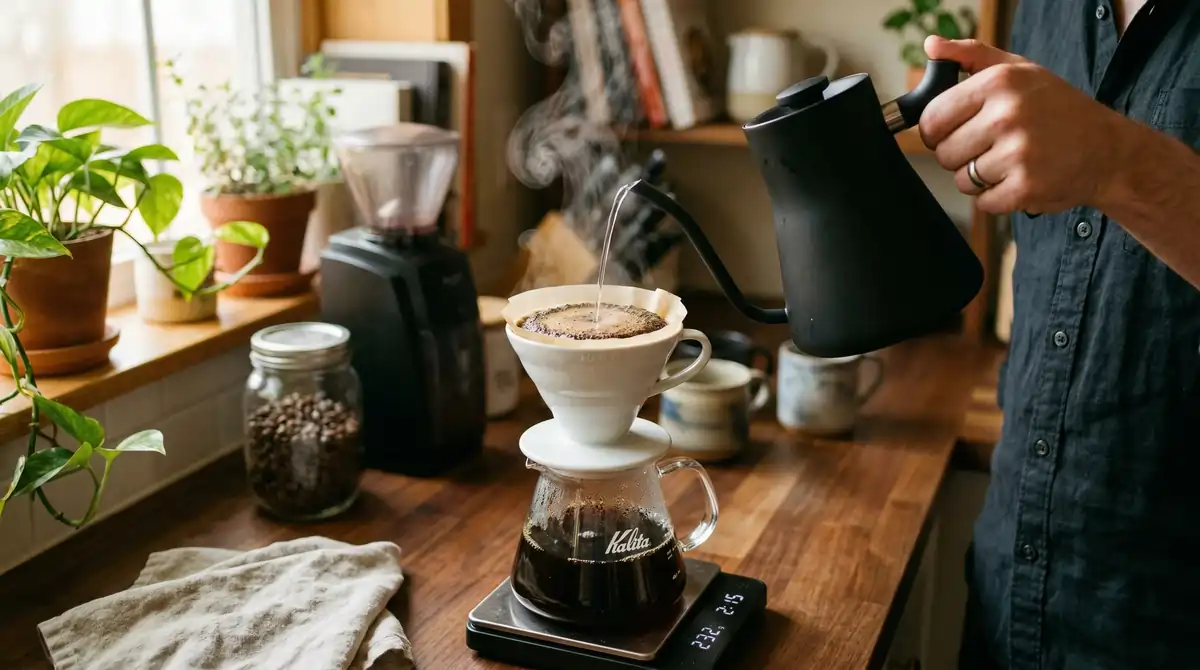
Pour over coffee is one of those rituals that just feels satisfying, watching the stream of water swirl over freshly ground beans and catching that first whiff. But nothing kills the vibe like pouring a cup and realizing your pour over coffee tastes bitter, even more than expected. If you’re stuck with flat, harsh, or bitter coffee even after following the basics, you’re definitely not alone.
I’ve had my fair share of “yikes, what did I do wrong?” mornings, but some simple tweaks can take your coffee from harsh to balanced. In this all-in-one guide, we’ll break down why pour over coffee can turn out bitter, how to fix it, and how to make sure every morning starts with a great cup.
Why Does Pour Over Coffee Taste Bitter?
What bitter coffee actually tastes like
Bitter coffee is hard to miss. It leaves a lingering aftertaste that can stick around for too long, similar to chewing on aspirin or munching on overly toasted nuts. Sometimes it’s sharp and abrasive, other times it’s dull and mouth-drying. If your first reaction is scrunching up your face and reaching for creamer or sugar, that’s a good sign there’s too much bitterness going on.
Bitter vs sour coffee: how to tell the difference
This one confuses a lot of people, especially if you’re still figuring out your palate. Sour coffee has bright, tangy notes—think tart fruit or under-ripe apples. Bitter, on the other hand, is more intense and lingering, a bit like the aftertaste you get from chewing on grapefruit pith or straight cocoa powder. If your coffee makes you pucker up, that’s sourness. If it coats your tongue with a harsh edge, that’s bitterness. Sometimes they overlap, but most home brewing problems cause one or the other, not both at the same time.
Why pour over coffee can become bitter so easily
Pour over brewing gives you more control than automatic coffee makers, but it’s also less forgiving if you get something wrong. Minor things like water that’s a little too hot, or pouring a bit too slow, make it easy to bring out bitter flavors. The longer water stays in contact with the coffee, or the finer you grind, the more you end up extracting the bitter compounds. So, dialing in even small variables can make a big difference in taste.
The Most Common Causes Of Bitter Pour Over Coffee
Grind size is too fine
If your coffee tastes bitter, there’s a decent chance your grind is too fine for the pour over brewing process. Finer grounds slow down the water, increase contact time, and extract those bitter compounds faster. I used to crank my hand grinder way too tight, thinking “finer means stronger,” but it made my coffee super harsh. Coarser grinds let the water flow more freely and result in a much smoother cup.
Water temperature is too high
Brewing with just-boiled or even boiling water is another culprit for bitterness. When I first started making pour over, I didn’t have a thermometer and I’d pour right after the kettle whistled. Turns out, once you’re above about 205°F (96°C), you risk burning the grounds and drawing out that unpleasant bitterness. Letting your water sit off the boil for 30-45 seconds helps a lot.
Brew time is too long
Longer brew times can over-extract coffee and leave you with a bitter mess. Most pour over recipes suggest a total brew time between 2:45 to 4:00 minutes for a standard cup. If your dripper is still dripping at 5 or 6 minutes, chances are you’ll land in over-extracted, bitter territory.
Too much agitation during the pour
It’s easy to think that swirling or furiously pouring water will help get more flavor. While a gentle bloom and slow spiral pour are good, being too aggressive while pouring can actually mess things up. Stirring or agitating increases extraction speed, and if you combine that with fine grounds or hot water, bitterness creeps in fast.
Coffee to water ratio is off
Using way too much coffee for your water amount often brings out bitterness. It seems weird, but if your brew is extra strong, there isn’t enough water to balance out the extraction and you end up pulling out extra compounds from the grounds. Sticking to about 1:16 to 1:17 ratio (coffee to water by weight) is a safe zone for pour over.
Dark roast beans can make pour over coffee taste bitter
Some coffee beans just come out darker, like French roast or Italian roast. These beans are roasted longer and hotter, so they already have a slightly charred edge. Brewing dark roasts with the same method as lighter roasts can easily result in bitter coffee, especially if you keep the same grind and water temperature.
If you want to learn about the 10 most common mistakes you could be making that can ruin your brew, check out The most common brewing mistakes here.

How Over-Extraction Makes Pour Over Coffee Taste Bitter
What over-extraction means in pour over brewing
Over-extraction happens when you pull too much stuff from the coffee grounds, especially the later-stage compounds that lean bitter or even astringent. Each coffee ground contains a range of flavors, and the most tasty and nuanced ones tend to come out first. If you let the brewing go on too long, you start drawing out what most people find bitter or unpleasant.
How grind size, water temperature, and brew time work together
These three factors are really connected. Coarse grind plus cooler water means you extract slowly so you need a little more brew time. Fine grind plus hot water pushes the extraction to go faster, so you run the risk of grabbing bitter flavors no matter how carefully you pour. I find it helpful to make small adjustments one at a time, starting with grind size, then tweaking water temperature or time to dial things in.
Signs your pour over coffee is over-extracted
Your coffee tastes harsh, bitter, and dry. Sometimes it even gives a chalky mouthfeel, almost like biting into a walnut peel. If you notice a long, unpleasant aftertaste, or if your coffee is so bitter you feel like reaching straight for sugar or milk, you’re likely dealing with over-extraction. Another clue: if your coffee is surprisingly strong but still flat or astringent, rather than sweet and floral.
How To Fix Bitter Pour Over Coffee At Home
Use a slightly coarser grind
If you’re using a burr grinder, try moving just one notch coarser. This lets the water flow more easily and shortens how long the coffee and water spend together. Even a small adjustment can reduce bitterness immediately. Keep a record of your grind settings, as tracking changes really helps with consistency later on.
Check this out for more information on how to grind coffee beans for pour over
Lower your water temperature
Brewing between 195-205°F (90-96°C) works for most coffee, but if you’re still getting some bitterness, try dropping closer to 195°F. If you don’t have a thermometer, let your kettle sit for 60-90 seconds after boiling, then pour. This pulls fewer bitter compounds from the grounds and can give you a noticeably smoother cup.
If you want a detailed rundown of how water temperature impacts coffee extraction, click the link
Shorten your total brew time
Pay attention to the overall brew time from when you first pour until the last drip. Aim for about 3 to 3:30 minutes for a classic pourover recipe. To achieve this, you might need to pour a little faster or switch your grind coarser. Sometimes, a quicker brew brings out much better results.
Pour more gently and evenly
A steady spiral pour, starting from the center and working outward, helps evenly saturate the grounds without over-agitating them. Try to avoid aggressively swirling or dumping water all at once. Being gentle in your pour technique helps keep extraction levels balanced and bitterness at bay.
Adjust your coffee to water ratio
If your ratio is super heavy (like 1:12 or 1:14), bump it closer to 1:16 or even 1:17. This lightens up the brew and lets you enjoy more of the subtle flavors without bitterness taking over. Don’t be afraid to experiment slightly until you land on what works for your preferences and beans.
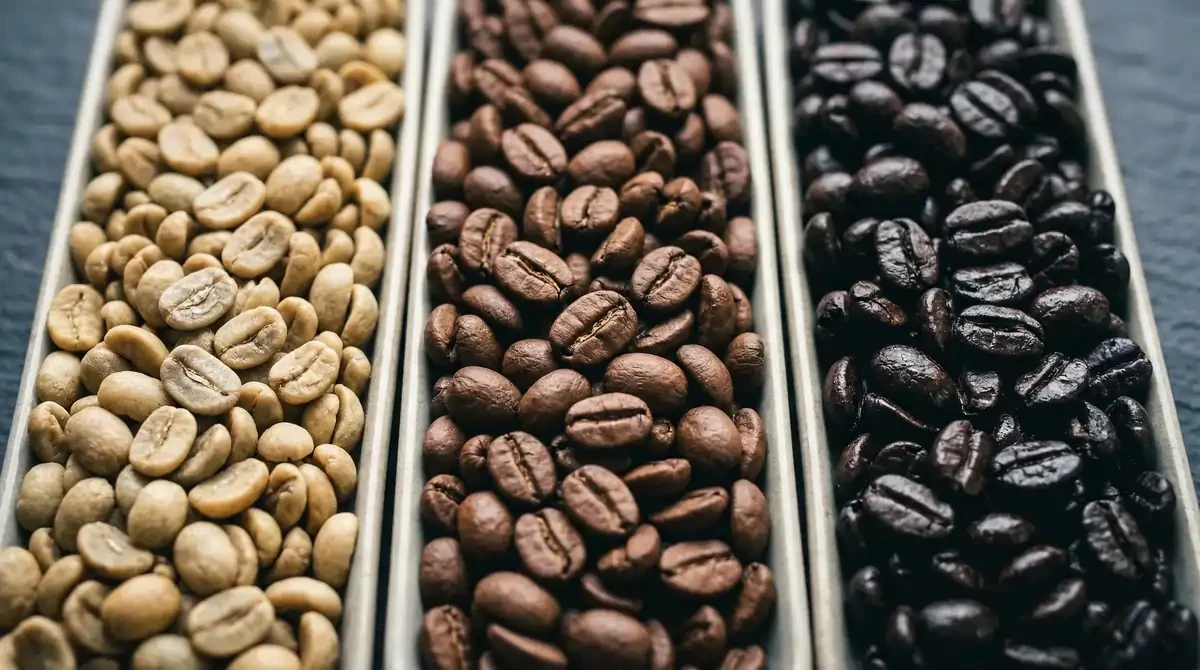
Try a lighter roast for a smoother cup
If you’re always drawn to dark beans but keep getting bitter results, consider switching to a medium or light roast. Lighter roasts have a different flavor profile and are less likely to turn bitter with the same pourover recipe. Plus, you might stumble upon fruity or floral notes you never knew coffee could have.
What To Change First If Your Pour Over Coffee Tastes Bitter
Start with grind size
Your grinder is probably the quickest way to make a difference. Go one notch coarser, brew, and taste the results. This adjustment alone can transform your coffee and is super easy to tweak back or forth.
Check your water temperature next
If making your grind coarser doesn’t help, focus on your water temp. Use slightly cooler water to slow extraction and see if your next cup is smoother. Sometimes, this one step can be all you need for a better brew.
Review your brew time and pour technique
If you’re pouring at an uneven pace or letting the coffee drip for too long, try timing your pour and aim for consistency. Using a timer helps build better habits fast and keeps your cup tasting great batch after batch.
Change only one variable at a time
It can be tempting to fix everything at once, but you’ll never know what worked. Tweak one thing, taste, then adjust another if you still don’t like the outcome. This makes your process repeatable and much easier to troubleshoot. Over time, you’ll really get a feel for your favorite combo of technique and bean.
How To Prevent Bitter Pour Over Coffee In The Future
Use fresh coffee beans
Stale or old beans have lost most of their good flavors. They often end up tasting lifeless, cardboard-like, or more bitter. I buy small batches and store them in an airtight container away from sunlight for best results and to keep the flavors fresh. Grinding right before brewing makes a noticeable difference too.
Keep your grind consistent
Uneven grind (lots of fines mixed with big chunks) can cause bitterness because finer bits over-extract faster. Investing in a good burr grinder solves most issues I had with inconsistent brews, letting me make coffee that tastes the same every morning. Clean your grinder every couple of weeks to avoid stale bits mixing in.
Use filtered water
Tap water with lots of minerals or chlorine can bring out harsh flavors. I switched to filtered water and noticed a smoother, sweeter cup almost overnight. If you’re in an area with hard water, this is especially important. Water quality isn’t just a small detail—it can totally switch up your coffee’s final flavor.
Clean your brewer and kettle regularly
Old coffee oils and mineral deposits build up and can make every batch taste “off,” sometimes more bitter or slightly metallic. A quick rinse after every brew helps, but once a week, I scrub everything with a gentle brush and plain hot water. This simple habit keeps bad flavors from building up, so your coffee always tastes as fresh as possible.
Follow a repeatable pour over recipe
Find a basic recipe that works for your setup and stick to it. Measuring your coffee and water by weight rather than scoops is more accurate, and tracking your time and technique keeps things consistent. After a while, you’ll know exactly what to tweak when you want to experiment. Routine is key when it comes to getting reliable results.
Bitter Pour Over Coffee FAQ
Why does my pour over coffee taste bitter but strong?
Bitterness and strength aren’t always the same thing. If your coffee tastes bitter and strong, it’s probably over-extracted. This can come from grinding too fine, using water that’s too hot, or letting the coffee steep too long. Check your grind and brew time first and see what helps.
Can water that is too hot make coffee bitter?
Yes, really hot water extracts bitter flavors quickly. If you’re boiling your water and pouring it straight on the grounds, try letting it cool to right about 200°F before brewing. It might surprise you with a noticeably smoother cup.
Does a finer grind make pour over coffee more bitter?
It can, especially if you’re not adjusting your pour time or recipe. Finer grind equals slower water flow, which lengthens the extraction and risks bitterness. If you like using a finer grind, keep an eye on the brew time so you don’t overdo it.
How do I make pour over coffee taste smoother?
Dial back your extraction by using a coarser grind, brewing with cooler water, or shortening your brew time by pouring a bit faster. Also, clean your equipment and consider switching up your beans or water source for an extra boost in smoothness. Even one little tweak can make a noticeable difference.
Final Thoughts On Fixing Bitter Pour Over Coffee
Small adjustments can make a big difference
Pour over coffee is all about those details. Even a one-notch change on your grinder or a 10-second difference in brew time can totally flip the flavor profile. If your cup is tasting bitter, don’t stress. It’s usually an easy fix, and getting to that smooth, balanced cup is totally worth it. Keep experimenting with variables, and you’ll build up intuition for what your coffee needs.
Consistency is the key to better brewing
Once you hit the sweet spot with your grind, water, and technique, you’ll notice your coffee is way more enjoyable every day. Jotting down little notes or using a scale and timer makes troubleshooting and experimenting a lot easier. Don’t forget to play with beans and recipes to keep things interesting.
Enjoy the ritual, and happy brewing!