

Pour over coffee has gotten super popular thanks to its clean taste and hands-on approach. Many enthusiasts obsess over the grind, the water, and the beans, but the time it takes to brew your coffee—what we’ll call “brew time” in pour over coffee—is just as important for getting the flavor right. Over years of making pour over coffee in all sorts of setups, I’ve found that dialing in the right brew time can truly level up your daily cup.
Why Pour Over Coffee Brew Time Matters
How brew time affects flavor and extraction
The extraction time for pour over coffee isn’t just a random stat; it’s the critical period when water pulls flavor from your coffee grounds. Brew too fast and you’ll miss out on all those deep, complex notes. Take too long, and the results turn harsh or muddy. The sweet spot is where everything comes together: balanced sweetness, liveliness, and satisfying depth.
How timing influences your favorite cup
Go too quickly, and the water rushes past the grounds before it can grab the flavors you love. Brew too slowly, and you’ll likely taste excess bitterness. Timing truly matters. Think of it as giving your coffee just the right amount of time to shine without letting the flavors get overshadowed or lost.
What Is The Ideal Pour Over Coffee Brew Time?
The typical brew time range for most pour over methods
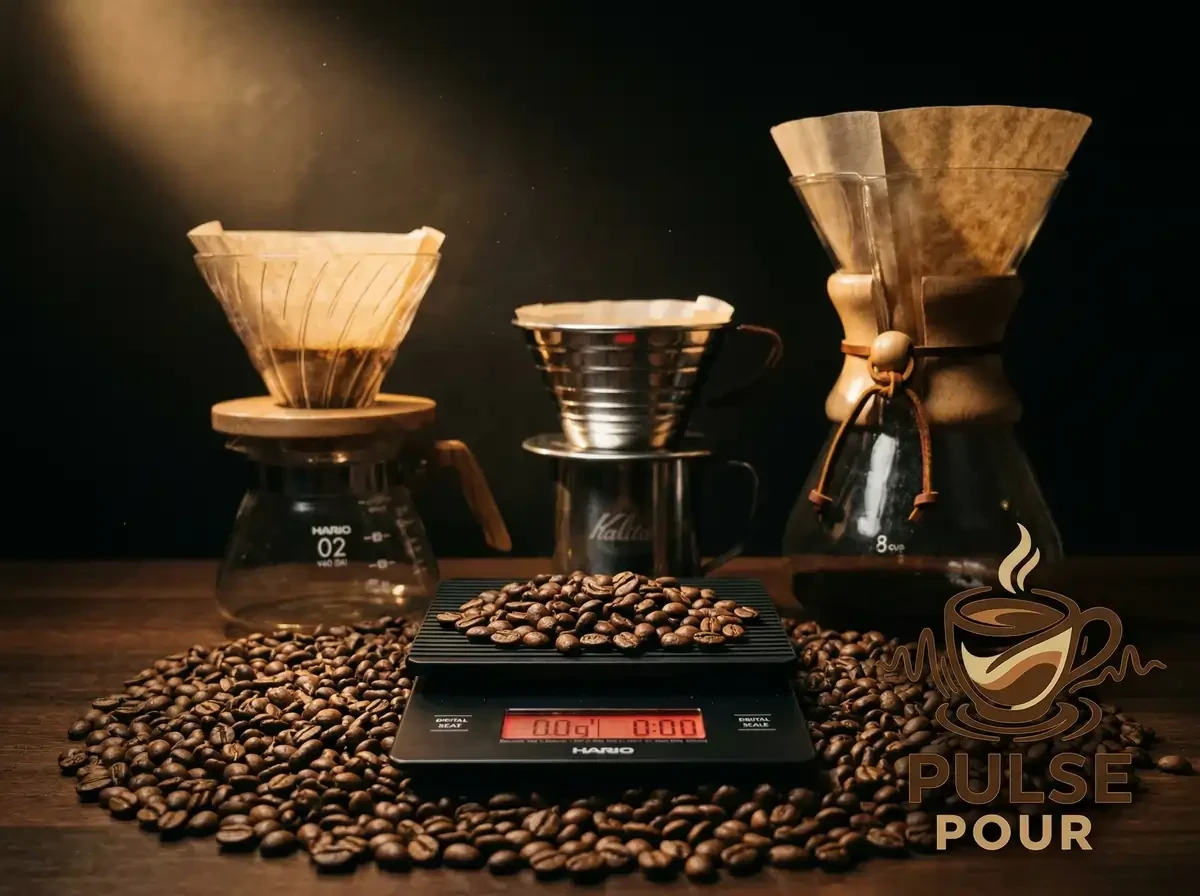
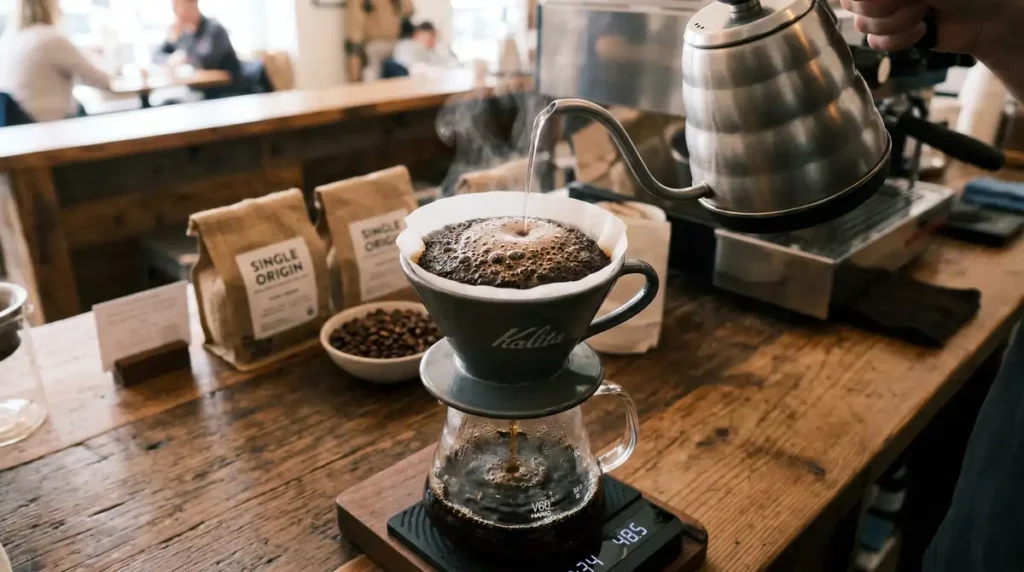
So, how long should you aim for? Most standard pour over methods (like Hario V60, Chemex, or Kalita Wave) fall into a 2:30–4:00-minute window. Many home baristas settle around the 3–3.5-minute mark as a starting point for a single cup, but there’s flexibility depending on your taste.
Why the right brew time varies by setup and recipe
Your dripper, filter, grind, and recipe can all switch things up. Some brewers drain faster due to hole or filter design. A coarser grind speeds things up, while a finer grind slows them down. The coffee-to-water ratio also changes how water flows.
You can take a deep dive here into coffee-to-water ratios
What Happens If Your Pour Over Brew Time Is Too Fast?
How to spot a speedy brew
If water zips through your pour over in under two minutes for a single cup (about 12–16 oz), your brew is moving too fast. Watch for quick-draining water, thin-looking coffee, and signs of channeling, where water forms paths through the grounds instead of saturating them evenly.
Flavor fallout from under-extraction
When a brew time is too short, the coffee is under-extracted, usually tasting sour, sharp, and poorly balanced since water hasn’t drawn out the natural sugars and aromas. A weak body and flat after taste are further giveaways. If your pour over seems like it’s missing that special something, under-extraction is often the reason.
What Happens If Your Pour Over Brew Time Is Too Slow?
When things take too long
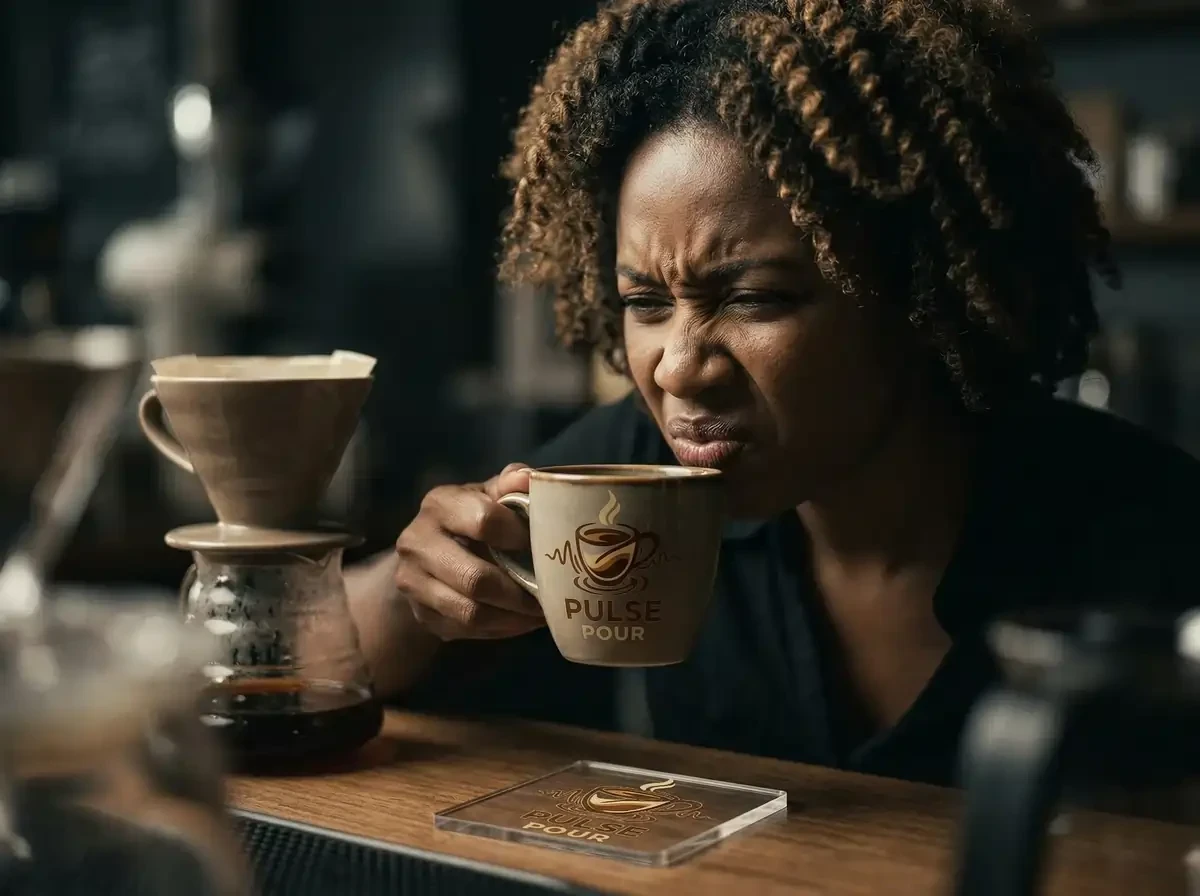
Anything over five minutes (for the standard cup size) is stepping into “too slow” territory. Signs include a stubbornly slow drip, muddy grounds, and prolonged draining after pouring. Sluggish extraction is often easy to spot once you’ve gotten used to what a typical pour over should look like.
Bitter, flat flavors from over-extraction
Dragging out brew time leads to over-extraction. This means you’re pulling out bitter, harsh compounds instead of just the nice, flavorful ones. Cups become more astringent, less lively, and can drown out the subtle notes in your beans, leaving a dull finish that disappoints after the very first sip.
If you want help with a more consistent, near perfect pour over every time, check out this post on how to perfect your pour over coffee brewing
The Most Common Reasons Your Pour Over Brew Time Is Off
Grind size
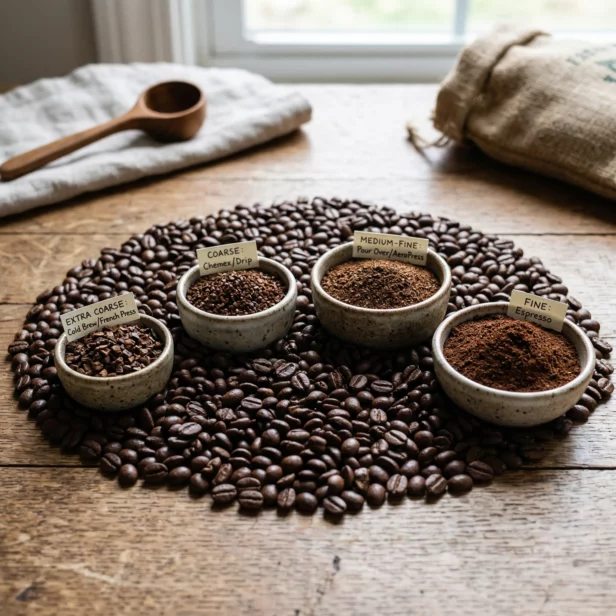
Too coarse a grind lets water flow through too quickly, shortening extraction. Too fine, and you create a barrier that slows everything down. Tiny tweaks to your grind can make a world of difference in brewing time and taste.
Poor pouring technique
Pacing is everything. Pouring too fast races through the process. Too slow, especially if you let water pool up significantly, stretches timing and throws off extraction. Practicing a steady, even pour helps create better-tasting cups with the right brew time.
You can explore more brewing methods in my post: the best pour over brewing methods in 2026.
Coffee-to-water ratio issues
If you use lots of coffee for a given water amount, it thickens the bed and slows down the extraction. Too little coffee results in water draining through too quickly, making for a weak cup. Keeping your ratios tight helps stabilize your brewing time.
Filter, dripper, and brewer quirks
Thick filters like Chemex slow things down; thinner filters like those for V60 let water pass more easily. The brewer’s bottom, number of holes, and shape all play a role. Swapping out your brewer? Expect to need a few minor tweaks in grinding or pouring technique.
Water flow and bloom factors
Skipping the bloom (pre-wetting grounds before the main pour) or using cooler water can mean uneven extraction and poor drainage. Let grounds bloom for 30–45 seconds with hot (near boiling) water to promote even flow and extraction.
For deeper coverage of the bloom phase check out how to bloom pour over coffee
How To Fix A Pour Over Brew Time That Is Too Fast
Go a touch finer with your grind
A slightly finer grind slows the water and increases extraction. Make changes in small steps, so you don’t overcorrect—tiny adjustments have a big impact.
Pour slower and more evenly
Switch to gentle, slow circles when pouring and try to keep the stream low and controlled. Make sure all grounds are wet and there are no dry patches, which helps slow the passage of water and gives a richer cup.
Double-check your coffee-to-water ratio
Stay close to 1:15 to 1:16 (one part coffee to 15–16 parts water) for most recipes. Using the proper ratio helps maintain steady brewing times and avoids speedy drainage.
How To Fix A Pour Over Brew Time That Is Too Slow
Coarsen your grind slightly
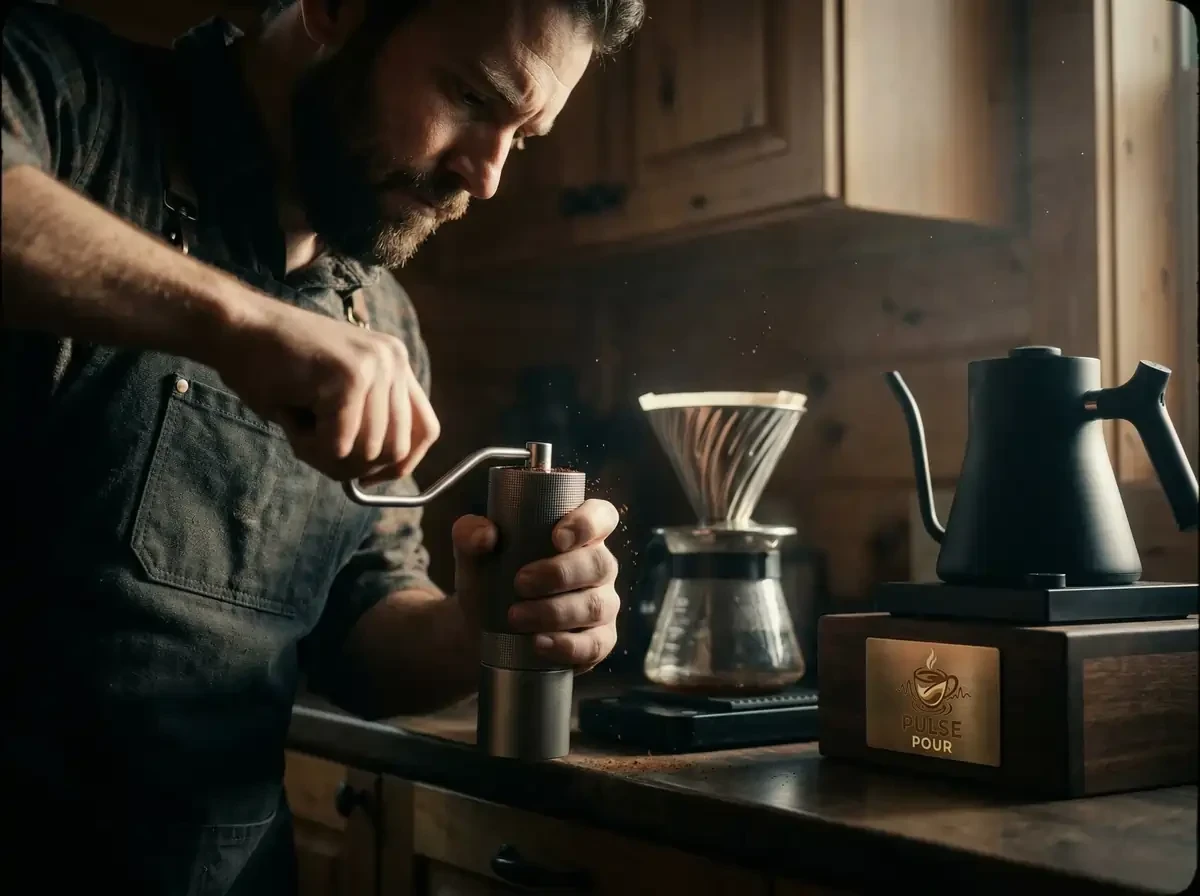
If things are crawling, try using a slightly coarser grind. This opens up the bed, allowing water to drain with less resistance. Move gradually so you don’t jump to under-extraction.
Tidy up your pouring approach
Make sure you’re not letting water pool too much in one area. Aim your pour around the entire bed, not just in the center, and avoid over-pouring at any single spot.
Check your filter for clogs or collapse
Collapsed or blocked filters slow down water flow. Rinse the filter first to avoid this, and make sure the paper is set up right before adding coffee. Watch out for folds or collapsed edges.
How Different Pour Over Brewers Affect Brew Time
V60 expectations
The Hario V60’s cone and big single hole create quick drainage. For a solid cup, start with a brew time of about 2:30–3:30 minutes. Control flow through your grind and pouring—it’s especially key for the V60’s design.
Chemex expectations
Chemex brewers have thicker filters and wider beds, naturally requiring a longer extraction. Expect 3:30–4:30 minutes to be normal here, and try a slightly coarser grind to avoid over-extraction.
Kalita Wave expectations
The Kalita Wave uses three holes and a flat base, which brings an even, moderately paced extraction. Aim for 2:45–3:30 minutes. Fans of the Wave often like its repeatable, consistent results when technique is steady.
Simple Tips To Dial In Your Ideal Pour Over Coffee Brew Time
Change only one thing at a time
Tweak your grind, pouring, or coffee amount—but not all at once. Adjusting just one factor for each attempt helps you figure out what’s working best and spot the changes that improve your cup.
Keep notes on timing and taste
Make a quick note of brew time, grind size, pouring moves, and, of course, how the coffee tasted. Your perfect recipe might look different from someone else’s, but tracking these notes makes it easier to find what works for you.
Follow your taste buds over the timer
There’s no need to get obsessed with exact times—let your own preferences drive your adjustments. Brew time is a helpful guideline but, in the end, it’s about what tastes great to you.
More Tips to Nail Your Pour Over Brew
Get your water temperature just right
Hotter water (between 195–205°F) helps coffee extract better. Too cool and you won’t pull out enough flavors, too hot and you risk bitterness. Use a thermometer or electric kettle with temperature control to lock in your favorite range.
For more information on water temperature, visit this post on how water temperature affects pour over coffee
Pay attention to swirling and agitation
Some baristas like to swirl their pour over brewers after the final pour to help settle the grounds and promote even extraction. Others gently stir. These small actions aren’t strictly necessary, but can help level out any trouble spots—especially if you’re still dialing in your pouring.
Try a pulse pour
Instead of one steady pour, adding water in “pulses” (small repeated pours) helps prevent channeling and leads to more even extraction. This is an especially good trick when learning how to master grind and flow.
Final Thoughts On Finding The Ideal Pour Over Coffee Brew Time
Brew time: a helpful range, not a law
I see the suggested brew times as a starting range to play within. It’s totally fine to adjust up or down to suit your gear and taste. Don’t be afraid to experiment—your best cup may be just a few tweaks away.
Small changes, big differences
Even little shifts to grind or pouring can make an average cup remarkable. Don’t worry about hitting someone else’s “perfect” time—keep exploring and let your taste buds lead the way toward your idea of pour over perfection.
Frequently Asked Questions About Pour Over Coffee Brew Time
What is a good brew time for pour over coffee?
For most single-cup recipes, aim for 2:30 to 4:00 minutes. Use the brew method and specific beans as your guide, and always taste and adjust to your liking.
Why is my pour over draining too fast?
Start by checking your grind—it may be too coarse. Also look for a pouring style or dripper design that encourages speedy water flow. Your coffee-to-water ratio and filter can impact this too.
Why is my pour over taking too long?
Common causes are an extra-fine grind, filters that have compacted or clogged, or too slow a pour. Try making the grind a little coarser and check your filter setup.
Tweaking the brew time for pour over is one of the most rewarding parts of making coffee at home. Every adjustment brings you closer to your dream cup. Always keep experimenting and having fun—your taste buds will definitely appreciate it!
Continue Learning
Best Pour Over Methods
The best pour over coffee methods don’t require expensive gear or fancy equipment. You can get by with just the essentials and make extraordinary cups of coffee
Perfecting Pour Over
Want to perfect your pour over coffee? It may seem simple, but there’s a lot that can go wrong on your path to perfection. Try this instead.