
Nothing beats the flavor of a carefully made pour over coffee. Every cup feels rewarding. But when you don’t know how to maintain pour over coffee makers, dirty gear can get in the way of that clean, bright taste. When oils and minerals stick around, flavors get muddled, and your brewer can start looking a bit worse for wear.
If you’re like me and get excited about making a great cup at home, taking care of the equipment matters a lot. Keeping your pour over gear clean is a really practical habit, not just for the sake of taste, but also so it lasts longer and performs as expected every time.
This guide walks you through simple, low-effort ways to keep your pour over coffee maker in great shape. Whether you use a Hario V60, Chemex, Kalita Wave, or something similar, these tips help you get the best coffee and avoid common cleaning mistakes. A little everyday care and weekly attention can keep your brewing ritual smooth and coffee tasting bright for years. Let’s dig into how you can keep enjoying that perfect cup, every day!
1. Pour Over Maintenance | Rinse With Hot Water After Each Use
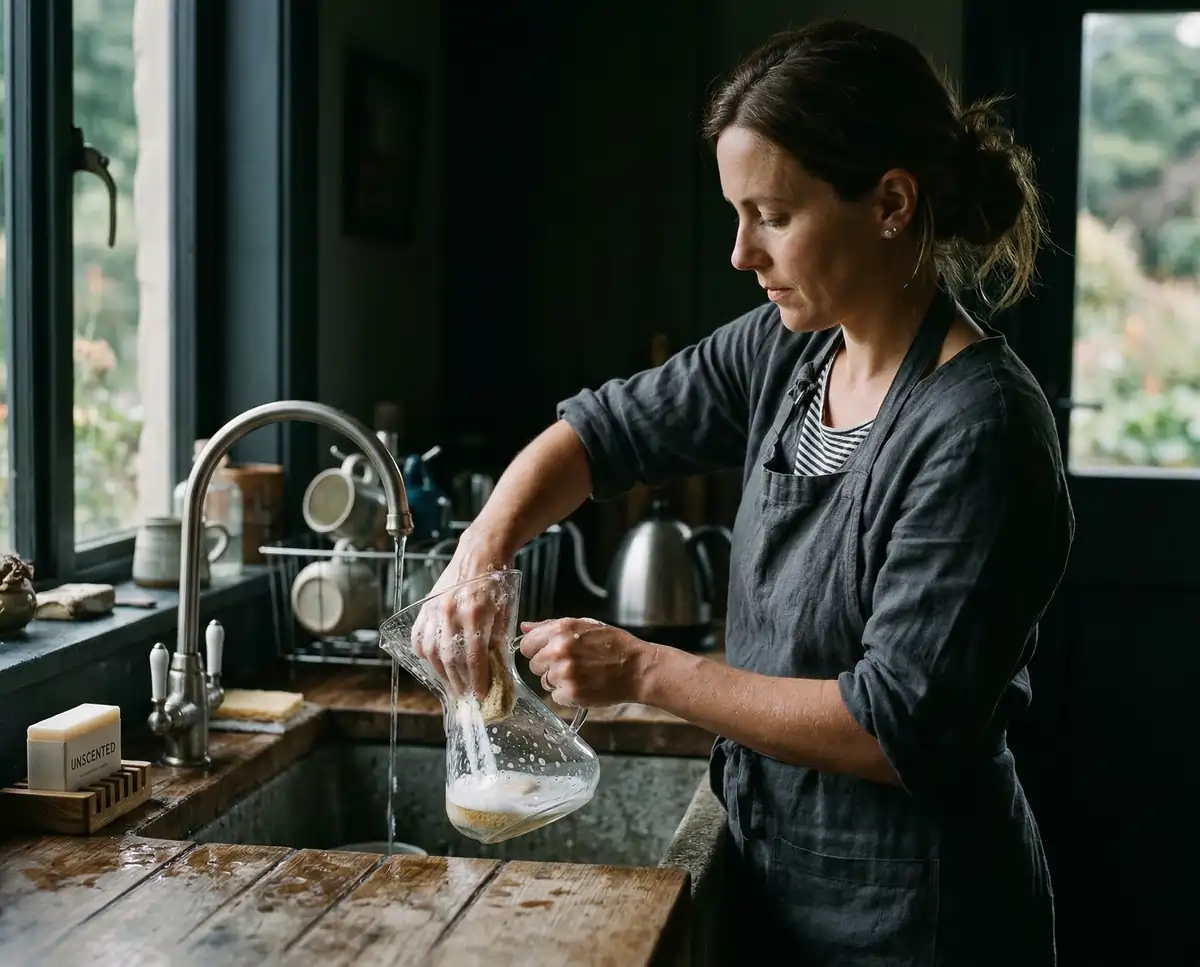
Rinsing right after brewing does most of the heavy lifting. When the gear is still warm, leftover coffee oils and tiny particles are way easier to wash away. All you need to do is remove the used filter and grounds (toss them or compost them), and give the dripper and carafe a good rinse under hot running water.
- Rinse thoroughly inside and out, especially under the rim and around ridges.
- Avoid using cold water, which can cause stains or leave behind an oily film.
- Dry with a clean towel or let air dry upside down.
If your pour over is glass, ceramic, or stainless steel, hot water is safe. Wood or cork handles (like those on Chemex) can swell or crack if soaked, so just wipe those clean.
2. Use Mild Soap Once a Day
While hot water takes care of daily messes, using a gentle soap (like fragrance-free dish soap) every day or two makes a difference. This helps remove any leftover oils and keeps the brewer fresh. Sometimes tap water leaves behind mineral spots, especially if it’s hard water. Soap removes both oils and most common residue.
- Use a soft sponge or cloth (never anything abrasive on glass or ceramic).
- Focus on spots where you see a film or any change in color.
- Rinse twice with hot water to make sure no soap is left behind.
Super harsh cleaners or scented soaps change the taste of future brews and can damage the finish. Mild soap does the job without any risks.
3. Deep Clean Weekly for Best Flavor
Every week, set aside ten minutes for a deeper clean. This keeps funky odors and old flavors from building up. For most coffee drippers and carafes, a gentle soak with vinegar and water (about 1:2 ratio) or baking soda works great:
- Mix vinegar (or baking soda and warm water) and soak the pour over components for 5-10 minutes.
- Use a bottle brush or soft-bristled brush in hard to reach corners.
- Rinse thoroughly and dry upside down.
If your coffee maker is dishwasher safe (many are), you can put it on the top rack once in a while. Always check the manufacturer’s info, since some wooden or cork details don’t like the heat. Adding a deep clean once a week not only preserves taste but extends the life of your favorite coffee equipment.
4. Remove Coffee Stains & Mineral Build Up
If you see brown stains, white spots, or chalky buildup, these are common but pretty easy to fix. They come from coffee oils, minerals in tap water, or leftover grounds. Here’s what I do:
- Baking soda paste: Mix baking soda and a little water to form a paste. Apply it with a soft brush and gently scrub stained spots.
- Lemon water: For glass and stainless pour over brewers, add lemon juice to water for a natural acid that tackles tough stains and odor.
Don’t use bleach or industrial cleaners; they can damage glass and metal and leave behind unwanted flavors. Regular gentle cleaning keeps these problems from getting out of hand. If you clean often, you’ll rarely see deep stains or taste old flavors in your cup.
5. Check & Clean the Filter Holder or Mesh
If your pour over uses a metal mesh filter, it needs attention too. Tiny holes get clogged with coffee oils and fine grounds, which ruins your pour and slows brewing.
- Rinse mesh filters right after use; don’t let grounds dry out inside.
- Every few days, soak the mesh in a 1:2 vinegarwater mix and scrub gently with a soft brush.
- If oil buildup is stubborn, use a paste of baking soda and water.
Paper filters are single use. Just toss them and give the holder a quick rinse. Cleaning mesh or cloth filters is super important for clean flavor, so don’t skip this step. Regular attention to the filter ensures you get a smooth pour and a clean tasting brew.
6. Store Everything Dry
Any moisture left in your pour over gear encourages mold, especially in hard to see places. For glass, stainless, or ceramic coffee makers, make sure every piece is dry before storing.
- Air dry upside down on a clean towel. Avoid closed cupboards while there’s any water left.
- Wood collars or leather ties (Chemex) should be kept dry and never soaked.
- Remove silicone or rubber parts (if possible) to let them dry separately.
If you need to store your pour over in a cupboard, double check that nothing is still damp. Memory tip: I like to leave mine on my counter, upside down, for an hour or so before putting it away. This habit helps you avoid mold and keeps everything fresh for your next brew.
7. Use Clean Water for Brewing and Cleaning
The water you use for brewing affects not just the taste but also how much mineral residue builds up. Hard tap water (full of calcium or magnesium) leaves more white spots on glass and clogs mesh filters. Clean, filtered water gives you better results for both brewing and cleaning.
- If tap water is hard, use a home water filter or bottled spring water for brewing and rinsing.
- Wipe away mineral spots promptly to avoid buildup.
Cleaner water lasts longer in your equipment and gives your coffee better flavor, which is what it’s all about. Many coffee lovers even notice their gear stays more stain-free and their brews taste purer with these water swaps. It’s a simple step that takes your coffee up a notch.
Frequently Asked Questions & Troubleshooting
What if my brewer still smells stale after pour over maintenance?
Try soaking everything in a mixture of vinegar and water for fifteen minutes, then rinse a few times under hot water. Sometimes old odors hide in corners. Avoid leaving it closed up between uses, as air flow helps.
Can I put all pour over coffee makers in the dishwasher?
Always check your specific model. Most glass and stainless brewers handle the top rack, but many wood, cork, or leather accents can crack or warp. If you’re not sure, stick to handwashing.
How do I get rid of stubborn brown stains on glass?
- Make a baking soda paste and let it sit on stains for five minutes, then scrub gently.
- If stains persist, fill your brewer with hot water and a tablespoon of vinegar and soak overnight.
Should I replace my mesh filter or cloth filter?
Metal filters last years if cleaned properly. If holes are clogged that won’t clear with soaking and scrubbing, or if you notice any weird flavors, it’s time to replace. Cloth filters should be boiled, stored dry, and replaced every few months. Signs like persistent bad smells or stiffness mean it’s time for a fresh one.
Final Thoughts & Handy Reminders
Pour over maintenance is really about making sure every cup tastes as good as your first. Quick rinses, gentle washing, and a bit of attention to details keep your coffee sweet and your brewer in top shape. Even a few moments of daily care make a big difference in the freshness of your coffee and the life of your equipment. Coffee deserves a clean stage to really shine!
How to Maintain Pour Over Coffee Makers – Quick Checklist:
- Rinse and wipe down your coffee gear every day.
- Do a deep clean with vinegar or baking soda each week.
- Let everything dry completely before putting it away.
- Use good water for brewing and cleaning.
- Keep an eye on filters and replace them if needed for best taste.
If you want to make sure your brewing process is dialed in from start to finish, check out my full step-by-step guide on perfecting pour over coffee.
Keeping up with this pour over cleaning routine means great-tasting coffee and fewer future headaches from stains or smells. Enjoy your next pour over, and if you have any cleaning tricks or questions, drop them below. With these steps, you’ll always have coffee gear that’s ready to help you make an eye-catching, delicious cup at home.
Continue Learning
Best Pour Over Methods
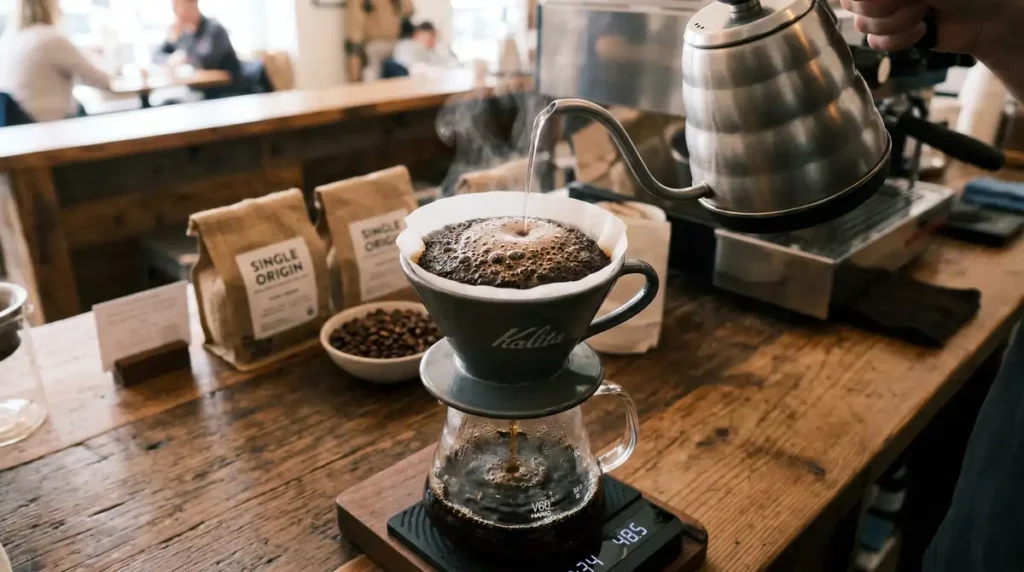
The best pour over coffee methods don’t require expensive gear or fancy equipment. You can get by with just the essentials and make extraordinary cups of coffee
Perfecting Pour Over
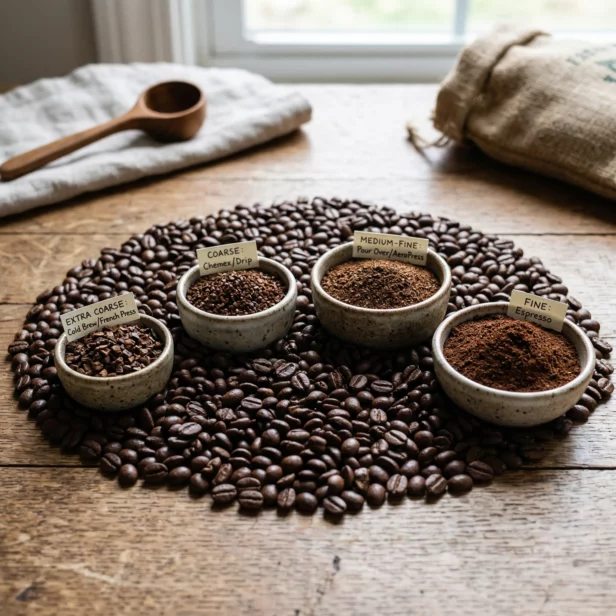
Want to perfect your pour over coffee? It may seem simple, but there’s a lot that can go wrong on your path to perfection. Try this instead.