
Great pour over coffee at home doesn’t require barista-level skill or a shelf full of expensive gear. Once you understand the basics, you can start brewing clean, flavorful coffee right from your kitchen—and actually enjoy the process along the way.
What makes pour over coffee so rewarding is the control. You decide how fast to pour, how hot the water is, and how fine the coffee is ground. Those small details might seem minor at first, but they’re exactly what shape the flavor in your cup.
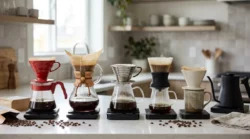
In this guide, I’ll walk you through the best pour over coffee methods, break down the 7 simple steps that improve your results, and help you choose between popular brewers like the V60, Chemex, Kalita Wave, Hario Switch, and Bee House Dripper.
If you’ve ever felt overwhelmed by all the options—don’t worry. We’ll keep it simple and build from there.
Disclaimer: This page contains affiliate links. If you make a purchase after visiting a link I may receive a small commission. This in no way affects my recommendations and carries no impact on price.
Quick Comparison: Best Pour Over Coffee Methods at a Glance
If you’re trying to figure out which pour over method fits your routine, this quick comparison will give you a solid starting point.

If you’re just starting out, the Kalita Wave or Bee House Dripper are great places to begin. If you like experimenting and tweaking variables, the V60 is hard to beat.
1. What Makes Pour Over Coffee So Special?
Pour over coffee stands out because it gives you direct control over the brewing process.
Instead of pressing a button and hoping for the best, you’re actively shaping the result—adjusting things like grind size, pour speed, and water temperature. And once you start paying attention to those details, the difference in flavor becomes pretty obvious.
Compared to standard drip machines, pour over coffee often tastes:
- Cleaner
- Brighter
- More expressive
You’ll start to notice things like sweetness, fruit notes, or subtle differences between beans that might otherwise go unnoticed.
And honestly, there’s something satisfying about slowing down and making coffee this way. It turns a routine into more of a ritual—and that’s part of the appeal.
2. The 7 Pour Over Coffee Steps That Build Flavor
Pour over might look complicated at first, but it really comes down to a few core steps.
These apply to almost every brewer—you’ll just tweak them slightly depending on your setup.
The 7 Steps:
- Choose your brewer and filter
- Each design affects how water flows through the coffee.
- Measure and grind your coffee
- Start with a medium-fine grind and adjust as needed.
- Heat your water
- Aim for 195–205°F (90–96°C).
- Rinse your filter
- This removes paper taste and preheats your brewer.
- Bloom the coffee
- Pour a small amount of water and let it sit for 30–45 seconds.
- Pour slowly and evenly
- Use controlled, steady pours to keep the coffee bed flat.
- Let it finish and taste
- Most brews should finish in about 3–4 minutes.
Small adjustments here—especially grind size and pour speed—make a huge difference.
3. Comparing the Most Popular Pour Over Coffee Makers
There isn’t one “best” method for everyone. The right brewer depends on your taste, your routine, and how hands-on you want to be.
Here’s how the most popular options compare.
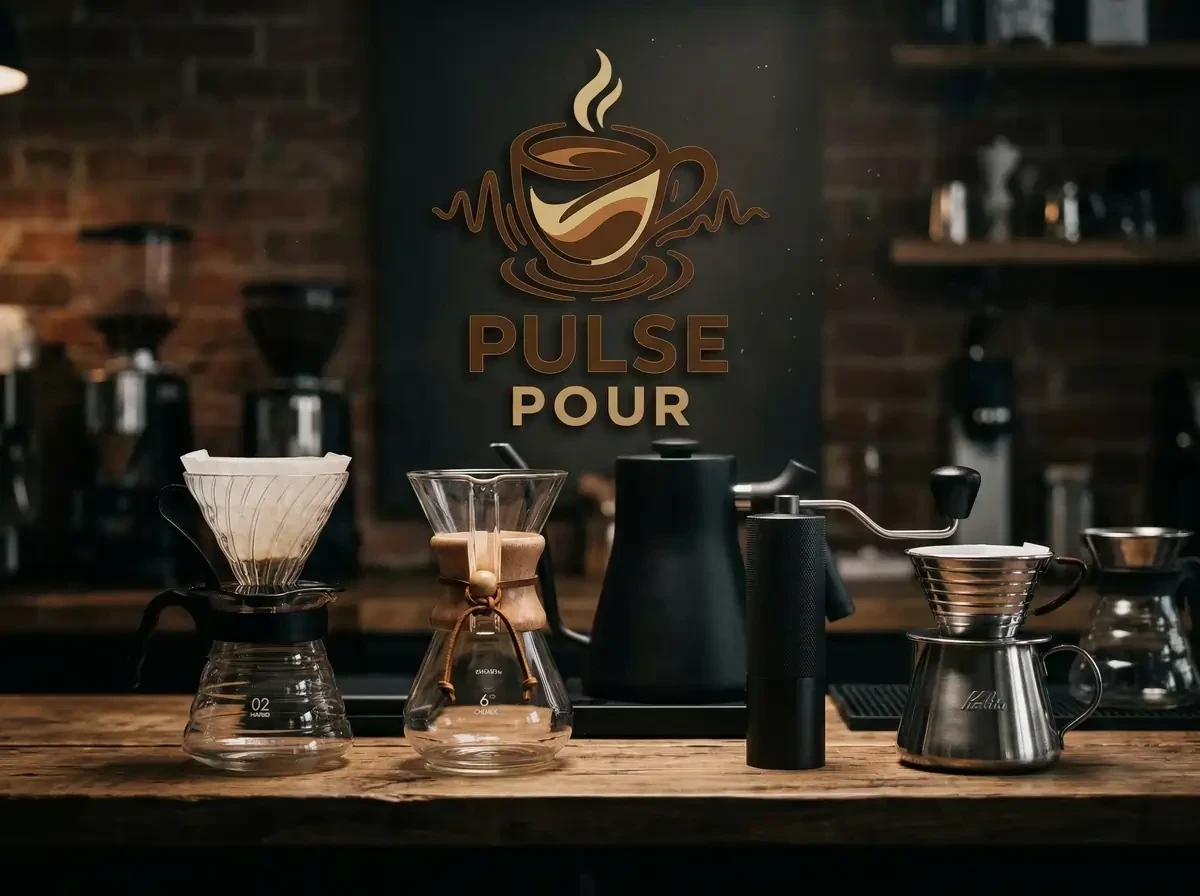
V60: Bright, Clean, and Highly Adjustable
The V60 is one of the most popular pour over brewers for a reason. It gives you a lot of control, which makes it great for experimenting.
- Best for: dialing in flavor
- Flavor: bright and expressive
- Grind: medium-fine
- Tip: small, controlled pours work best
If you like tweaking variables, this is where things get fun.
Chemex: Smooth, Crisp, and Clean
The Chemex uses thicker filters, which remove more oils and sediment.
- Best for: clean, smooth coffee
- Flavor: crisp and light
- Grind: medium-coarse
- Tip: avoid grinding too fine to prevent clogging
Great for people who prefer clarity over body.
Kalita Wave: Balanced and Forgiving
The Kalita Wave is one of the easiest brewers to get consistent results with.
- Best for: beginners
- Flavor: balanced and smooth
- Grind: medium
Tip: keep your pours steady and even
This is one of the safest starting points.
Hario Switch: Simple and Consistent
The Switch combines pour over with immersion brewing.
- Best for: simplicity
- Flavor: balanced with more body
- Grind: medium
Tip: let it steep, then release
Great if you want consistency without stressing over technique.
Bee House Dripper: Simple and Underrated
This one doesn’t get as much attention, but it’s very beginner-friendly.
- Best for: easy daily brewing
- Flavor: mellow and approachable
- Grind: medium
Tip: very forgiving with pouring
Perfect if you just want good coffee without overthinking it.
Which Pour Over Method Is Best for You?
If you’re still unsure, here’s the easiest way to decide:
- Beginner-friendly: Kalita Wave or Bee House
- Best for experimenting: V60
- Cleanest cup: Chemex
- Most consistent: Hario Switch
If you’re new, start simple. You can always get more technical later.
4. Key Variables That Change Your Coffee
This is where everything starts to click.
Grind Size
Too coarse = weak or sour
Too fine = bitter or heavy
This is usually the first thing to adjust.
Coffee-to-Water Ratio
Start with 1:16
Examples:
20g coffee – 320g water
22g – 350g
30g – 500g
You can get a more in-depth look at pour over coffee ratios in my post Pour Over Coffee Ratios Explained.
Water Temperature
195–205°F is ideal
Lighter roasts – hotter
Darker roasts – slightly cooler
To get an in depth coverage on water temperature and coffee extraction, check out How Water Temperature Affects Pour Over Coffee Extraction
Water Quality (Important!)
If your water tastes off, your coffee probably will too.
Filtered water is usually your best bet.
Bloom
Let the coffee sit for 30–45 seconds after the first pour.
This helps with even extraction.
more info on blooming your pour over can be found here.
5. V60 vs Chemex vs Kalita: Which Should You Choose?
If you’re choosing between the big three:
- V60: more control, more experimentation
- Chemex: cleaner, lighter cup
- Kalita: easier, more consistent
There’s no wrong choice—just different experiences.
6. A Simple Daily Pour Over Routine
Here’s an easy routine you can follow every day:
- Heat water to ~200°F
- Rinse filter
- Add 20g coffee
- Bloom with ~40g water (30–45 sec)
- Pour slowly to ~320g total
- Finish in ~3–4 minutes
- Enjoy.
Once this feels comfortable, start experimenting.
7. Troubleshooting Common Pour Over Problems
- Weak coffee: use more coffee or grind finer
- Bitter coffee: grind coarser or lower temp
- Sour coffee: grind finer or slow your pour
- Slow brew: grind coarser
- Muddy texture: rinse filter and check grind
Most issues are small adjustments—not big problems.
Click the link and Gain a deeper understanding of the ideal pour over brew time.
8. Do You Need Special Gear?
Not really.
You can start with:
- a dripper
- filters
- kettle
- grinder
- coffee beans!
If you upgrade one thing, make it a burr grinder.
That usually makes the biggest difference.
Frequently Asked Questions
What’s the best pour over method for beginners?
Kalita Wave or Bee House—easy and forgiving.
Do I need a gooseneck kettle?
No, but it helps with control.
What’s the best ratio?
1:16 is a great starting point.
Final Thoughts
Pour over coffee is one of the simplest ways to start making better coffee at home.
It doesn’t have to be perfect. It just has to be intentional.
Start with a simple setup, make small adjustments, and pay attention to how your coffee changes. Also, don’t forget about cleaning and maintenance. These adjustments and small steps will move you even closer to your perfect cup.
Take some time to write down your adjustments and keep track of the quality of your brew. You can join my newsletter and get a tasting journal and flavor wheel.
Another fun thing you can do after you’ve gotten some practice is visit the Specialty Coffee Association’s coffee value assessment calculator and add up a score to attribute to your brew.
If you’re still dialing things in, check out:
How to grind coffee beans for pour over
Better coffee is just a few small tweaks away!
Continue Learning
Perfecting Pour Over
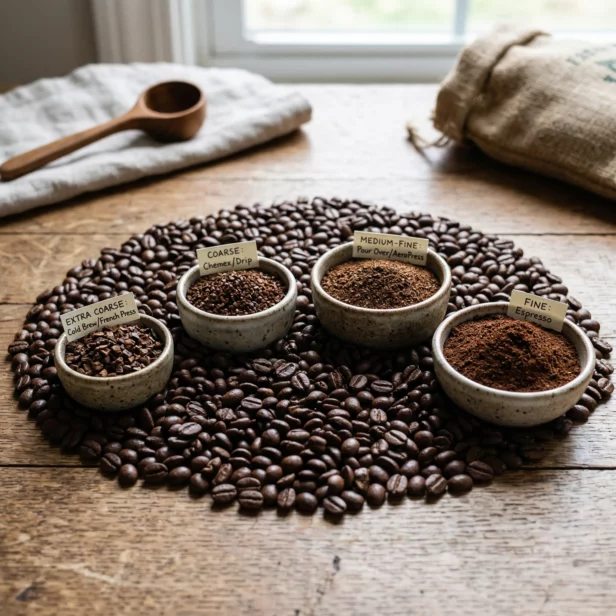
Want to perfect your pour over coffee? It may seem simple, but there’s a lot that can go wrong on your path to perfection. Try this instead.
10 Pour Over Mistakes
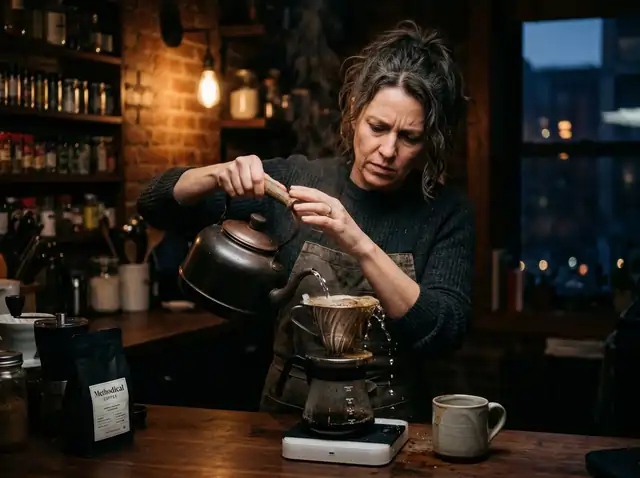
Is your pour over sour or overly bitter? You’re likely making one or more of these 10 pour over coffee brewing mistakes. Here’s how to fix them.