
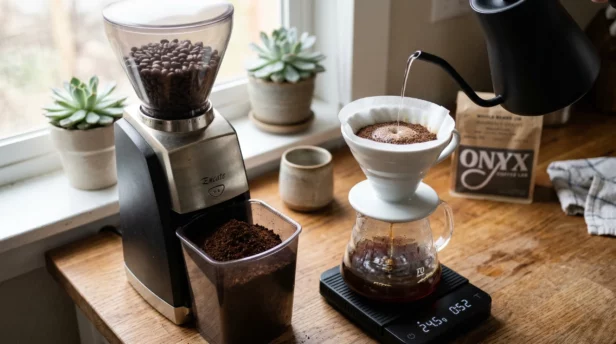
If you feel like your pour over brews are tasting bitter, sour, or just kind of flat, chances are, your coffee grind has something to do with it. There’s an art to grinding beans just right, and avoiding a few classic mistakes can make a big difference, whether you’re using a fancy burr grinder or a simple hand grinder.
In this guide, I’m breaking down the five common mistakes people make when grinding beans for pour over, and giving some practical tips to help you get the perfect cup every time you brew.
1. Using the Wrong Grind Size
The grind size is probably the most important thing to get right for pour over coffee. It changes how quickly water flows through your grounds, and that totally affects the taste. For most pour over brewers, like a Hario V60, Chemex, or Kalita Wave, a medium grind is usually best. Think: somewhere between table salt and beach sand.
Why Grind Size Matters for Pourover
- If the grounds are too fine, the water flows too slowly. That can mean over-extraction, which makes your coffee turn out bitter and heavy.
- If the grounds are too coarse, water flows too fast, leading to under-extracted, weak, or sour coffee.
I’ve noticed every grinder is a bit different. Even if you use “medium” on two grinders, you might get slightly different results. Always check your grind visually. It should feel gritty between your fingers, not powdery or chunky.
Signs You Might Need to Adjust Your Grind
- Bitter, harsh, or dry taste? Try a coarser grind.
- Sour or super sharp? Try a finer grind.
- Brewing faster than 2-4 minutes? Make it finer.
- Brewing slower? Go coarser.
Sometimes it takes tweaking the grind size a few times before you notice an improvement, but it truly makes a difference in your cup. Don’t be afraid to experiment to spot that sweet spot.
2. Grinding Beans Too Far in Advance
Grinding your coffee too early is a pretty common mistake. Coffee starts losing its flavor and aroma within minutes after you grind it, thanks to oxygen and moisture in the air. That flat, stale taste? Usually, it’s a sign your beans sat around ground for too long.
The Freshness Rule
- Grind your beans right before you brew. Even waiting 30 minutes can make a noticeable difference.
- Store whole beans in an airtight container away from light and heat to lock in freshness and taste.
If you’re short on time in the morning, I totally get it. But, I recommend grinding just enough for each brew, not a whole week’s worth in advance. You’ll get way better flavor and aroma; your taste buds will definitely notice.
Sometimes even using preground beans in emergencies is fine, but making grinding right before brewing your usual habit can give a boost to your overall coffee experience.
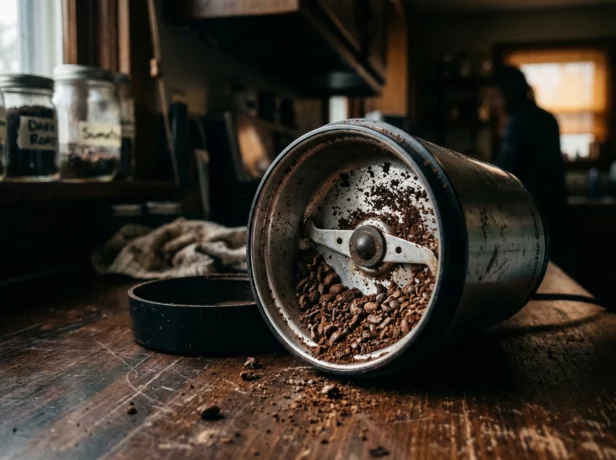
3. Using a Blade Grinder Instead of a Burr Grinder
Blade grinders are everywhere, and they do the job in a pinch. But for pour-over, they’re not the best option. Blade grinders chop beans unevenly, giving you a mix of fine powder and big chunks, which means uneven extraction and an unpredictable cup.
Why Burr Grinders Are Better for Pour-over
- Burr grinders crush beans to a consistent size, so water extracts evenly through all your grounds. The flavor ends up way more balanced.
- You can easily adjust the grind size to match your brewer and beans.
If you’re not ready to buy a burr grinder, that’s totally fair. But if you’re passionate about making better pourover, saving up for one is really worth considering. In the meantime, you can shake your blade grinder between pulses to even out the grind a little, though it’ll never be perfect.
You’ll be surprised at how quickly you spot a difference in consistency, aroma, and taste when switching up to a burr grinder. Even an inexpensive hand burr grinder is a smart upgrade for home baristas.
4. Ignoring Coffee and Water Ratios
Getting your coffee-to-water ratio right is huge, and grind size actually links up with this more than people think. If you use the right grind, but too much or too little coffee for your water, you’ll still miss out on that balanced pour-over flavor.
Recommended Pour-over Ratios
- A simple starting ratio: 1 gram of coffee for every 16 grams (or ml) of water. For about 350 ml (12 ounces) of water, use 22 grams (about 3 tablespoons) of coffee.
- I always use a kitchen scale to measure both my beans and water. Scoops can be inconsistent, because coffee beans aren’t always the same size or density.
Add more coffee if your brew tastes weak, or use less if it’s too strong. Play around with your ratio once you get the grind dialed in. Sometimes it takes a few tries to nail both, but it pays off when you get a cup you love.
If you want to mix things up, try using a slightly higher ratio for a stronger cup or a lighter ratio for something more mellow.
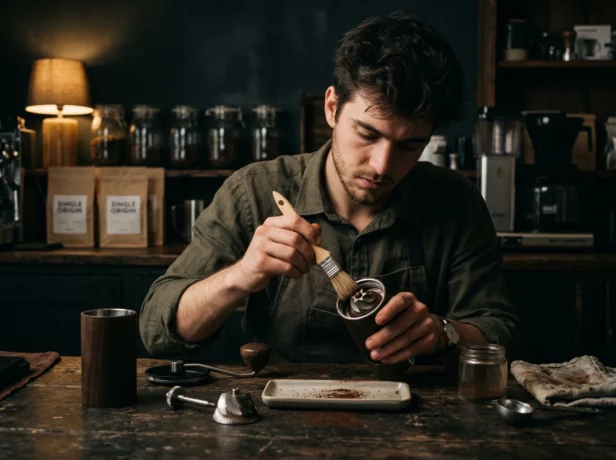
5. Not Cleaning Your Grinder Regularly
Old coffee grounds and oils can get stuck in your grinder, leading to stale or off flavors in your pour-over. If your coffee tastes way different from one brew to the next, even though you use the same beans, it might just be a dirty grinder.
How to Clean Your Grinder
- For burr grinders, brush out loose grounds at least once a week. There are special grinder cleaning brushes, but a soft paint brush or toothbrush works too.
- Run grinder cleaning pellets through your machine every couple of months, or follow the cleaning instructions in your grinder’s manual.
- For blade grinders, wipe out any residue with a dry paper towel or soft brush after each use.
Taking a few minutes to clean up will keep old flavors from getting into your fresh brews. It’s a simple habit that keeps your coffee tasting the way it’s supposed to.
As an extra tip, mark your calendar or set a reminder so regular cleaning becomes part of your barista routine. You’ll spot improved flavor after each cleanup.
Key Gear and Tools for Better Grinding
I’ve found that a few good tools make all the difference when grinding for pour-over. Here’s what I find works best and why:
- Burr Grinder: Consistent grind size, more control, and bettertasting coffee overall. Manual hand grinders are great if you’re on a budget or have a small kitchen.
- Kitchen Scale: Perfect for measuring beans and water, way more accurate than scoops or spoons.
- Gooseneck Kettle: Makes it super easy to pour slowly and evenly for an even extraction.
- Fresh, Quality Beans: No grinder can fix stale beans, so make sure you’re starting with good stuff.
Consider a timer to measure your brew time for even more consistency. Small investments in gear can give a boost to your daily coffee ritual.
Common Questions & Troubleshooting
How do I know if my grind is too fine or too coarse?
If your coffee is brewing really slowly (or tastes bitter/dry), your grind is likely too fine. If it’s running through too quick (or tastes sour/weak), it’s probably too coarse. Adjust a little at a time and note how it affects the taste and flow.
Why does my pour-over taste different every time?
- Double check your grind consistency and freshness.
- Use a scale for both beans and water.
- Keep your grinder clean to avoid old grounds mixing with fresh beans.
Can I use pre-ground coffee for pour-over?
You can, but keep in mind it loses flavor pretty fast. Most store bought ground coffee is also ground for drip coffee makers, so it may not be the ideal medium grind for pour-over brewers. Grinding fresh gives you a much better cup.
Simple “Grind Better” Action Plan
Improving your pour-over setup doesn’t need to be complicated. Here’s what I’d focus on next:
- Use a consistent, medium grind for your chosen pour-over brewer.
- Grind right before brewing for max freshness.
- Measure your coffee and water with a scale, tweaking the ratio till you find what you like.
- Clean your grinder regularly to keep flavors on point.
Making small tweaks to your grind pays off in smoother, more flavorful pour-over coffee. Grab your favorite beans and try dialing in your grind today. Your perfect cup is closer than you think.