
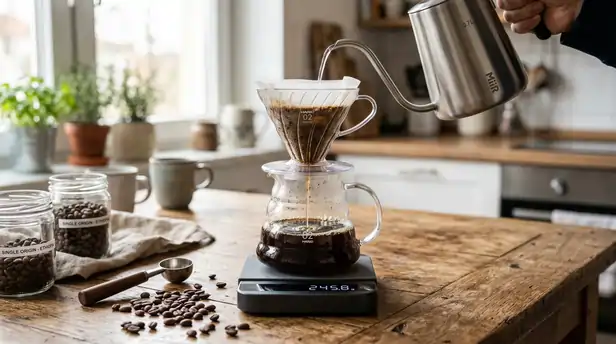
Pour-over coffee is famous for the way it captures the flavor and complexity of your beans, but sometimes the cup ends up tasting flat or bitter. I’ve spent years making pour-over every morning, tweaking different parts of the process, and picking up tricks to help those amazing hidden notes come through. If you want to take your daily brew up a notch and actually taste what makes your beans special, you’re in the right place.
Anyone can make pour-over coffee, but unlocking those sweet, fruity, or chocolatey notes takes a deeper look at what’s happening in your cup. It’s more than just pouring hot water over grounds. The difference lies in getting the details right so every unique note in your beans can shine.
Step 1: Pick the Right Beans for Pour-Over
The coffee beans you choose play a huge part in the taste of your pour-over. Fresh, specialty grade beans are where the best flavors start. Grocery store options can work in a pinch, but you’ll get much more interesting notes from beans roasted within the last two weeks, ideally from a local roaster. A fresh roast keeps those subtle, hidden flavors intact, and single origin bags can really show off the unique aspects of a region or farm.
What Flavor Notes Do You Want?
- Fruity or floral? Go for a lightly roasted Ethiopian or Kenyan coffee.
- Nutty, chocolatey, or sweet? Try beans from Latin America, especially Colombia or Guatemala.
- Bright and citrusy? Central American beans are worth checking out for their refreshing zing.
Make sure you use whole beans and only grind them right before brewing so you don’t lose those subtle flavors to stale air. This simple habit makes a huge difference in taste.
Step 2: Dial In the Right Grind Size
Grind size really matters for pour-over. Too fine, and you’ll get overextracted, bitter coffee. Too coarse, and your cup may turn out weak or sour. Most people find a mediumcoarse grind (just a bit finer than sea salt) works best, but it’s worth adjusting depending on what taste you want.
How to Experiment with Grind Size:
- If your coffee tastes bitter or harsh, try a coarser grind.
- If it tastes sour or watery, go a bit finer.
After a few sessions, you’ll notice how much changing this one variable can mix up which hidden flavors bloom in your cup.
Step 3: Watch Your Water Quality and Temperature
Tap water with a lot of chlorine or minerals can mask the subtle notes in your beans. I’ve found that filtered or bottled spring water brings out the best flavors for pour-over. The temperature also counts. A range of 195°F to 205°F is a safe bet, but some beans really open up at different points in that spectrum.
Temperature Tips:
- Lighter roasts like slightly hotter water (200–205°F) to bring out bright, crisp notes.
- Darker roasts often do better with cooler water (around 195°F) to keep bitterness away.
A simple gooseneck kettle makes it a lot easier to control your pour and water temperature for consistent results, but you can use a thermometer if you want to get extra precise.
Using good water can spotlight clarity and help you notice those hidden flavors. If your area has hard tap water, consider a simple filter pitcher for daily brewing.
Step 4: Nail Your Ratios and Coffee Dose
The standard ratio is around 1:16 (one part coffee to sixteen parts water by weight), but I’ve had some of my best cups by playing with the dose. A stronger cup will bring out heavier, chocolatey notes, while a lighter brew can highlight brighter or floral flavors.
How to Adjust for Taste:
- Want bolder, richer flavor? Try 1:15.
- Chasing more subtle or delicate notes? Move toward 1:17 or 1:18.
A digital scale is super useful for finding your favorite ratio, and it’s how the pros do it. No guesswork needed. Even small changes in your coffee and water amounts can mix up your experience, so don’t be shy about experimenting.

Step 5: Perfect Your Pouring Technique
The way you pour water over your coffee grounds affects the extraction like mad. A steady, spiral motion from the center outward helps evenly soak the grounds for balanced flavors. This helps make sure every bit of coffee gets its moment to shine.
Pouring Stages Explained:
- Bloom: Pour a small amount of water (about double the coffee weight) and let it sit for 30–45 seconds. This releases trapped gas and gets your grounds ready for extraction.
- Main Pour: Add water in slow circles, keeping the coffee bed moving without pouring down the sides. Take about 2 to 3 minutes for this step, letting the coffee brew evenly throughout.
If your coffee ends up harsh or muddy, try pouring a bit slower and making sure you hit all the grounds. A gooseneck kettle makes it much easier to control the flow and your aim.
Step 6: Master Brewing Time and Agitation
Brewing time and gentle agitation (like a careful swirl or a slow stir during brewing) both change how much and which flavors get pulled out of the grounds. Time and movement go hand in hand for pulling out the right notes.
What to Watch For:
- If your brew time is under 2 minutes, your cup will probably be thin or sour; aim for around 3–4 minutes for most pour-overs.
- Too much agitation brings out bitterness, but a bit of movement ensures all grounds brew evenly. Swirl gently or use a spoon for one or two light stirs.
Keep a quick note with times and techniques. This habit helps you improve future cups and spot what works best for your favorite beans.
Step 7: Taste, Take Notes, and Tweak
Tuning in to the taste is how you spot those hidden notes. Sip your coffee slowly and see what comes through first—maybe citrus pops up, then a bit of caramel, or a floral finish follows. If you’re getting more bitterness or dullness, adjust one thing next time (like grind size or ratio) and see how the cup changes.
- Write down what you taste and what you did differently. This is the best way to track down what brings out your favorite flavors from each bean.
- If possible, try a “side by side” cup with only one variable changed at a time to see how that tweak affects flavor.
With time, your tasting skills will improve and you’ll start to get a feel for how small changes mix up the final cup.
Common Questions About Pour-Over Flavor
Why does my pour-over taste bitter?
- Check your grind size (try a bit coarser), pour speed (pour more slowly), and water temperature (drop it a few degrees if needed).
How can I make the fruity or floral notes pop more?
- Use super fresh, light roasted beans, a bit hotter water, and an even pour. Sometimes switching to a different filter (like rinsed paper) makes those delicate notes stand out more, too.
Is there a best type of pour-over brewer?
Chemex, Hario V60, Kalita Wave, and even basic Melitta cones all work, but some highlight clarity (V60, Chemex), while others give a fuller body (Kalita, Melitta). Trying different drippers with the same beans is a great way to stumble upon new notes and favorites.
Simple Action Steps to Step Up Your Brew
- Buy a bag of fresh singleorigin beans and grind right before brewing.
- Adjust your grind size and pour technique. Don’t be afraid to experiment each morning.
- Take quick notes so you remember which changes brought out exciting new flavors in your cup.
Unlocking hidden flavors in pour-over coffee is easier than you might think. It just takes paying attention and being open to shifting small habits. Every cup is a chance to get to know your beans better—grab your favorite mug, try a new tweak, and enjoy the ride. Got a brewing tip or a cool discovery? Share it in the comments!